
Kigali Genocide Memorial: remembrance on Gisozi hill
Published on 09/24/2026 at 12:04 | Editorial responsibility: Rafael Müller, Editor-in-Chief AD HOC NEWS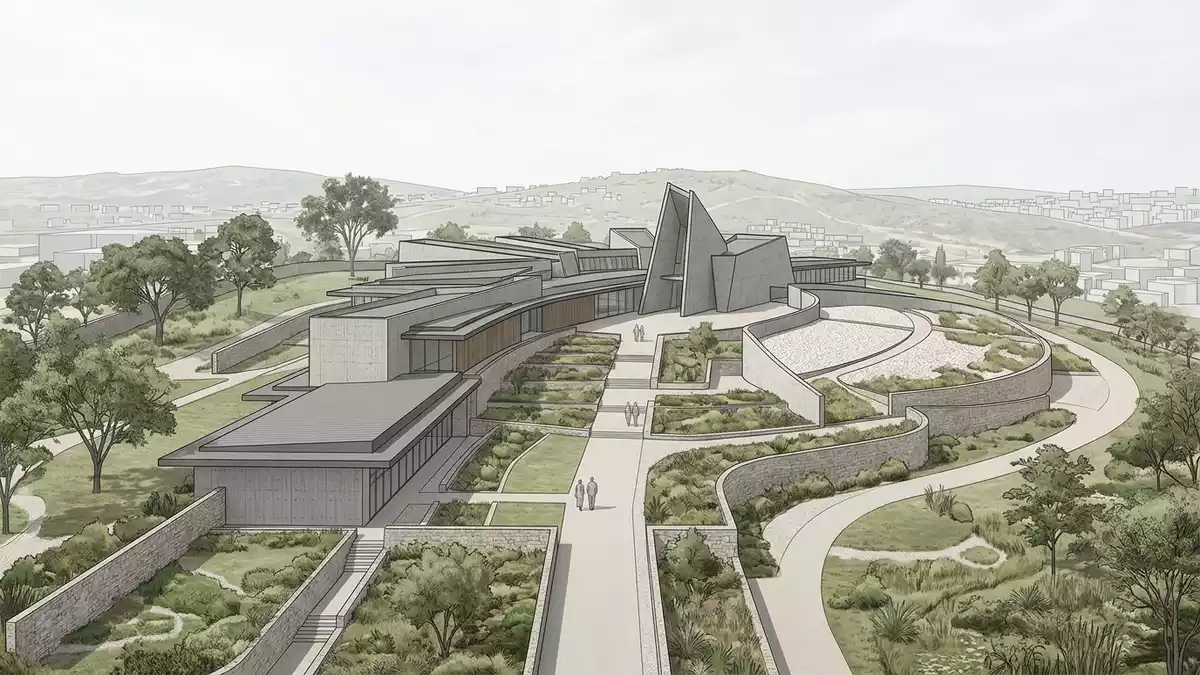
Kigali Genocide Memorial occupies Gisozi hill in Kigali, combining burial grounds, exhibition spaces, gardens and archival work within one place of remembrance. The site is associated with the Genocide against the Tutsi in Rwanda and with the more than 250,000 victims buried there.
Gisozi hill and the burial grounds
The memorial is located in Gisozi, a sector of Kigali on the city’s north-western side. Its burial grounds form the physical centre of the site, linking remembrance of individual lives with the scale of the 1994 genocide.
The Genocide against the Tutsi took place between April and July 1994. Kigali Genocide Memorial was built in 1999, and the site belongs to the UNESCO-listed serial property Memorial sites of the Genocide, which includes Gisozi, Nyamata, Murambi and Bisesero.
Exhibitions that connect Rwanda with wider history
The memorial contains three permanent exhibitions. The largest documents the 1994 Genocide against the Tutsi, while another examines genocidal violence in other parts of the world.
A children’s memorial forms a separate part of the exhibition programme. Its accounts focus on children affected by genocide, adding personal stories to the historical record. The site also includes the Genocide Archive of Rwanda, which preserves survivor testimonies, information about victims and material connected with the genocide.
The memorial’s educational work covers the causes, implementation and consequences of genocide. It also addresses prevention, documentation and support for survivors. These subjects give the complex a function beyond commemoration, without separating learning from the burial grounds and gardens.
From a national memorial to a place of learning
Kigali Genocide Memorial was created after the genocide as a burial and remembrance site for victims from Kigali. Its buildings stand beside the graves, while the gardens and exhibition areas connect mourning, historical explanation and preserved testimony.
The five stated functions of the memorial are commemoration, education, prevention, documentation and survivor support. This combination is visible in the arrangement of the site: graves and gardens share the complex with galleries, an education centre and archival facilities.
The 1994 genocide forms the central historical subject, but the exhibitions place Rwanda within a wider history of genocidal violence. The result is a memorial whose setting remains specific to Kigali while its educational scope reaches beyond Rwanda. The names of Gisozi hill, the Genocide Archive of Rwanda and the Genocide against the Tutsi give the place its distinct identity.
Visiting Kigali Genocide Memorial: what travellers from Western Europe should know
- Kigali Genocide Memorial is in Gisozi, north-west of central Kigali. KG 14 Avenue provides the address, and the site is reached by road through the city.
- The complex includes planted gardens, burial grounds, indoor galleries and an education centre. A visit therefore combines outdoor paths with museum spaces.
- The official language is Kinyarwanda, with English and French also used in Rwanda; the currency is the Rwandan franc.
- Rwanda is outside the European Union. Entry requirements depend on your nationality; UK travellers can check the FCDO travel advice at gov.uk/foreign-travel-advice, Irish travellers the Department of Foreign Affairs at ireland.ie.
Searching for Kigali Genocide Memorial on social platforms
These links open searches for Kigali Genocide Memorial on each platform.Frequently asked questions about Kigali Genocide Memorial
Where is Kigali Genocide Memorial?
It is in Gisozi, a sector on the north-western side of Kigali. The memorial stands on Gisozi hill, beside its burial grounds and gardens.
What can visitors expect at the memorial?
The complex contains permanent exhibitions, a children’s memorial, gardens, an education centre and the Genocide Archive of Rwanda. Its main exhibition documents the 1994 Genocide against the Tutsi.
What makes Kigali Genocide Memorial distinctive?
It combines a burial place for more than 250,000 victims with exhibitions, archives and educational facilities. The site therefore joins remembrance of Kigali’s dead with the study of genocide in Rwanda and elsewhere.


