Kopalnia Soli Wieliczka and its salt chambers
Published on 08/11/2026 at 15:10 | Editorial responsibility: Rafael Müller, Editor-in-Chief AD HOC NEWS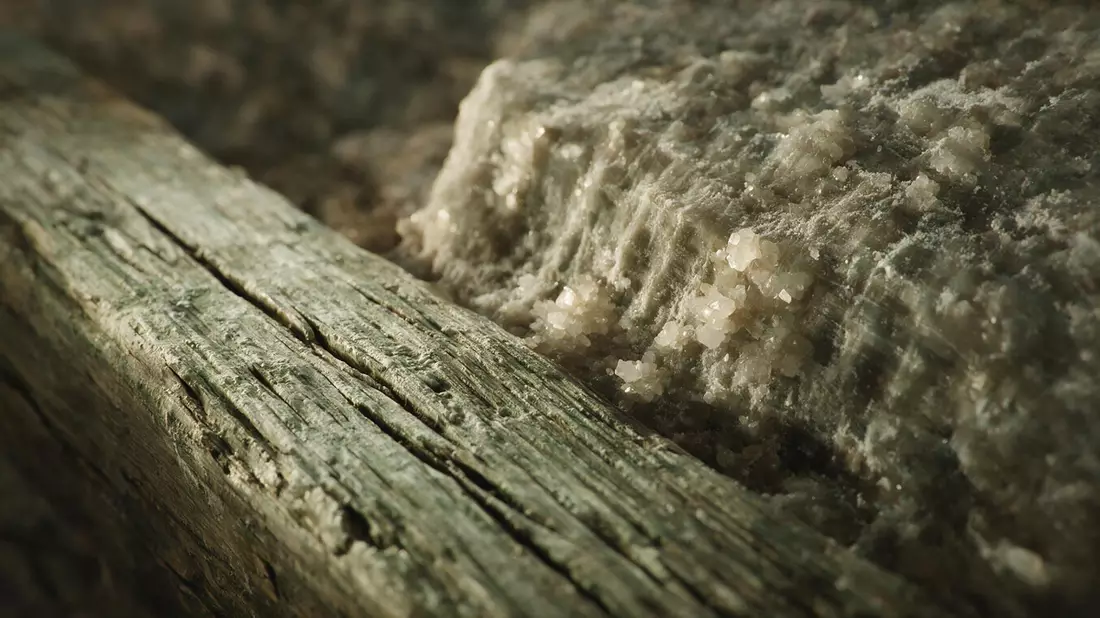
Kopalnia Soli Wieliczka is a salt mine in Wieliczka, south of Kraków, and its underground routes are known for broad chambers, timber supports and salt-carved chapels. The mine opened in the thirteenth century and preserves a long industrial history in the rock itself.
Thirteenth-century salt workings beneath Wieliczka
The mine belongs to the older mining landscape of Lesser Poland, where salt extraction shaped towns and trade. Its underground spaces extend through shafts, galleries and chambers cut into rock salt.
Among the best-known spaces is the chapel of St Kinga, a subterranean room with carved reliefs, chandeliers and altarpieces made from salt. The mine also contains lakes, machinery and long passages that show how the site changed from extraction to heritage.
Salt, sculpture and underground rooms
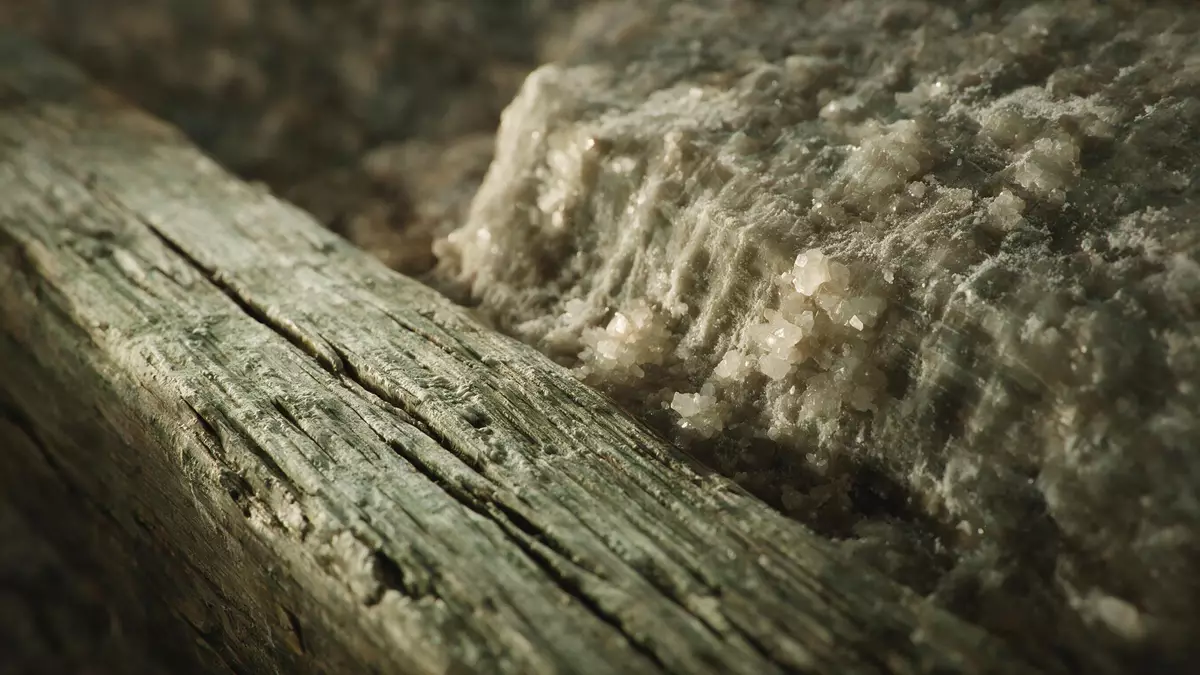
The visual effect comes from contrast: rough salt walls beside finished carving, heavy timbering beside open chamber space, and religious decoration inside a mining site. These elements give Kopalnia Soli Wieliczka a distinct interior character without relying on scale alone.
Visitors encounter a sequence of chambers rather than a single hall. The route includes workspaces, devotional spaces and stretches of mine architecture that preserve traces of labour and craft.
A mine with a chapel at its centre
The chapel of St Kinga is the strongest sign of the mine’s second life. Salt sculptors created figures, ornament and altar pieces from the same material that forms the walls around them.
That combination of mine and sacred interior gives the site a layered identity. It remains a working memory of salt extraction and also a carved underground environment with a strongly human scale.
Visiting Kopalnia Soli Wieliczka: what travellers from Western Europe should know
- Wieliczka lies close to Kraków in southern Poland and is reached by rail, road and local transport from the city.
- Admission arrangements and opening hours are set by the site's operator and change with the season; the official website is the only binding source.
- Cooler months and quieter parts of the day are often more comfortable for a subterranean visit.
- The route involves stairs, long underground passages and uneven ground, so sturdy footwear is sensible.
- Card payment is widely accepted in tourist settings, while Polish remains the main language on site.
- Entry requirements depend on your nationality. UK travellers should check the FCDO travel advice at gov.uk/foreign-travel-advice; Irish travellers the Department of Foreign Affairs at ireland.ie; EU and EEA citizens their own national foreign ministry.
Searching for Kopalnia Soli Wieliczka on social platforms
These links open searches for Kopalnia Soli Wieliczka on each platform.
Frequently asked questions about Kopalnia Soli Wieliczka
Where is Kopalnia Soli Wieliczka?
It is in Wieliczka, a town near Kraków in southern Poland. The mine sits below ground and is reached through the town’s transport links.
What should visitors expect underground?
Expect long walks, stairs, carved chambers and salt-built details. The route combines mining spaces with the chapel of St Kinga and other preserved interiors.
What makes it distinctive?
The combination of a historic salt mine, carved religious interiors and extensive underground architecture defines the site. The salt material is visible in both the structure and the decoration.