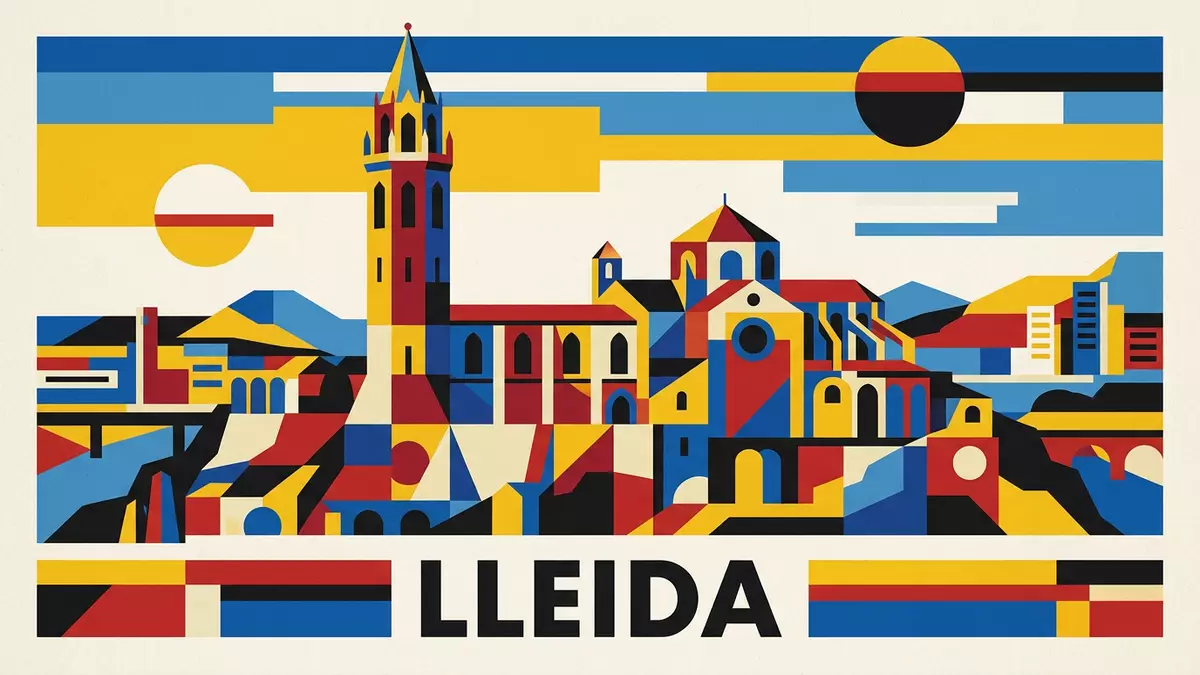
La Seu Vella rises above Lleida
Published on 08/09/2026 at 15:12 | Editorial responsibility: Rafael Müller, Editor-in-Chief AD HOC NEWS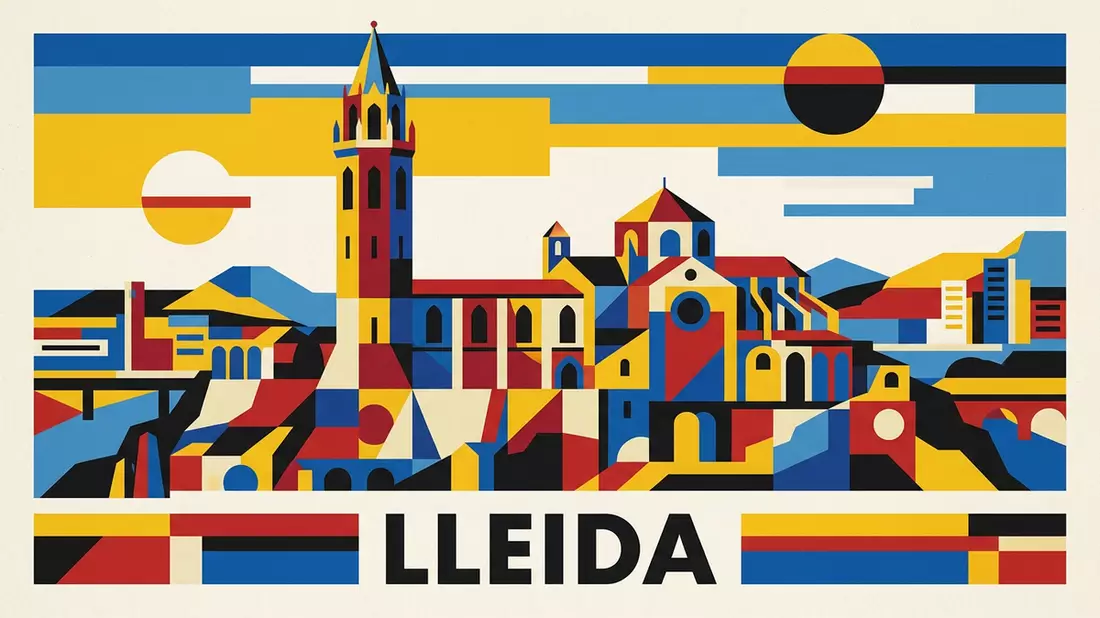
La Seu Vella rises above Lleida on the hill of the same name, its Romanesque and Gothic stonework visible across the city. Begun in the thirteenth century, the former cathedral remains the defining landmark of the skyline.
Stone, height and a long ecclesiastical history
The complex began as Lleida’s cathedral and reflects the major building phases of medieval Catalan church architecture. Its nave, cloister and tower make it more than a single monument: La Seu Vella is a compound of church, ritual space and fortification.
The building is associated with the medieval bishopric of Lleida and with the long ecclesiastical life of the city. Its later military use is visible in the mass of the structure and in the way the hilltop precinct dominates the surrounding plain.
Inside the hilltop precinct
Approaching La Seu Vella, the first impression is of breadth rather than height. The stone walls, arcades and open terraces create a sequence of spaces that are easy to read from different angles.
The cloister is one of the best-known parts of the ensemble, with Gothic arcading that gives the complex a measured rhythm. The cathedral church itself keeps the sense of a great medieval shell, with spacious volumes and substantial masonry.
La Seu Vella and the city around it
From the hill, the relationship between the monument and Lleida is clear. The cathedral stands above the city rather than blending into it, and that separation gives the site a strong presence in the urban landscape.
The hilltop position also places the building in a broader historical setting, linking religious architecture with military adaptation and civic memory. The result is a place where structure, elevation and history are read together in one visit.
Visiting La Seu Vella: what travellers from Western Europe should know
- La Seu Vella is on the hill overlooking Lleida, reached from the city by road and on foot.
- Admission arrangements and opening hours are set by the site's operator and change with the season; the official website is the only binding source.
- Late afternoon gives the stone a strong colour, and clear weather helps the hilltop views.
- The site includes slopes, steps and uneven stone surfaces, so sturdy shoes are sensible.
- Spanish and Catalan are both used in Lleida, and cashless payment is common in the city.
- Entry requirements depend on your nationality. UK travellers should check the FCDO travel advice at gov.uk/foreign-travel-advice; Irish travellers the Department of Foreign Affairs at ireland.ie; EU and EEA citizens their own national foreign ministry.
Searching for La Seu Vella on social platforms
These links open searches for La Seu Vella on each platform.
Frequently asked questions about La Seu Vella
Where is La Seu Vella?
It stands on a hill above Lleida in north-eastern Spain. The site is closely tied to the city’s historic centre and overlooks the surrounding plain.
What should visitors expect?
Expect a former cathedral complex with stone architecture, a cloister and open hilltop spaces. The terrain includes steps and slopes, so the visit is physical as well as visual.
What makes La Seu Vella distinctive?
Its mix of Romanesque and Gothic fabric, plus its later military presence, gives it a layered character. The hilltop setting makes the monument readable from many parts of Lleida.