
Lijiang Gucheng and its canals of stone and timber
Published on 09/22/2026 at 09:38 | Editorial responsibility: Rafael Müller, Editor-in-Chief AD HOC NEWS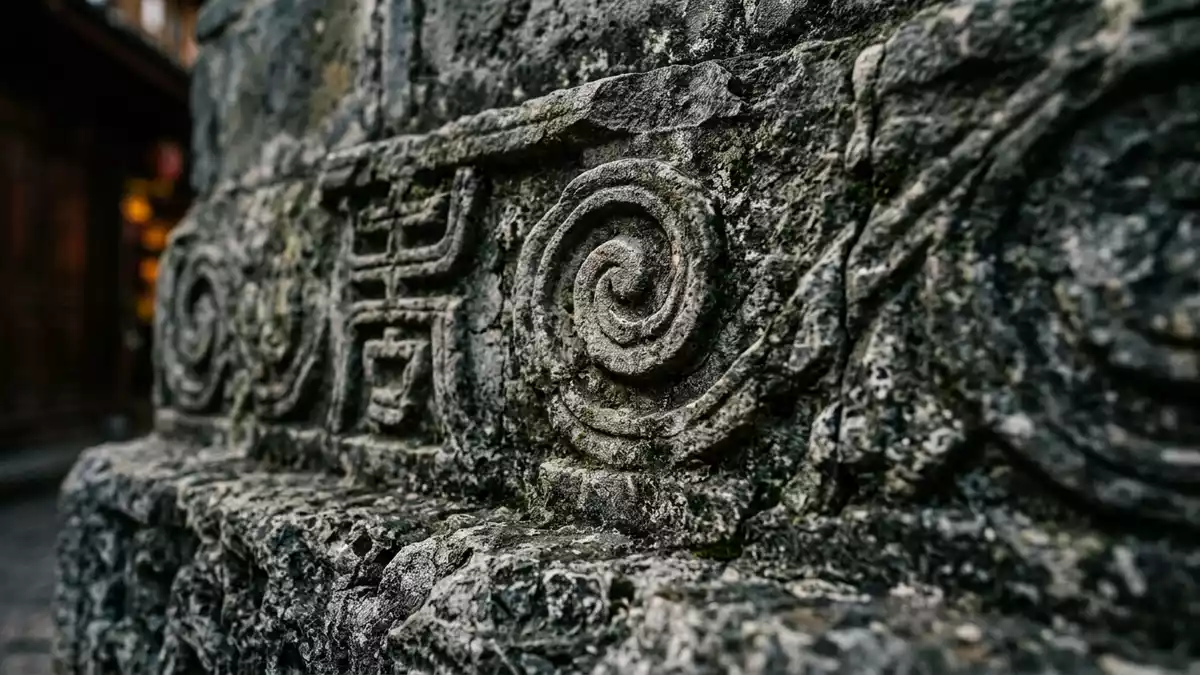
Lijiang Gucheng is an old town shaped visibly by water. Canals pass beside stone-paved lanes, timber-framed houses gather around courtyards, and bridges connect the compact streets of Lijiang in south-western China. The settlement lies on the Lijiang plain at an elevation of 2,400 metres (7,874 ft), with the Yulong Snow Mountain to the north-west.
Its architecture and waterways form a single urban landscape. The town preserves Naxi traditions alongside Han, Bai and Tibetan influences, while its historic water-supply system remains part of the place’s identity.
Lijiang Gucheng: a town laid out around water
Water enters the historic town from the mountain landscape and reaches the Black Dragon Pond before dividing into channels, canals and smaller streams. The network passes through streets and courtyards, with bridges crossing the water at numerous points.
The arrangement is practical as well as visual. Different parts of the water system served domestic needs, street cleaning and cultivation. This connection between waterways, houses and lanes gives Lijiang Gucheng a recognisable urban form that differs from a walled compound or a formal palace complex.
Dayan is the central historic town commonly associated with Lijiang Gucheng. The UNESCO property also includes the Baisha and Shuhe housing clusters and the Black Dragon Pond area. The UNESCO World Heritage listing dates from 1997.
Naxi houses, courtyards and mountain influences
Two-storey timber houses with tiled roofs line the lanes. Their construction includes carved beams, screen walls, gateways and inner courtyards, while the streets follow the uneven ground of the mountain plain.
The buildings express Naxi culture through details rather than a single monumental style. Han and Tibetan elements appear alongside local forms, and Bai traditions also belong to the wider cultural setting. Courtyards provide the basic domestic arrangement, with rooms grouped around enclosed open space.
The town’s history reaches back through the Song, Yuan, Ming and Qing periods. Dayan developed as a commercial centre during the Ming dynasty, while Baisha has earlier associations with the Song and Yuan dynasties. The Ming-dynasty history of Dayan remains visible in the urban fabric.
Eight centuries of exchange in Yunnan
From the twelfth century, Lijiang served as a distribution centre for goods moving between Sichuan, Yunnan and Tibet. The town stood within networks associated with the southern Silk Road and the Ancient Tea and Horse Roads.
Trade brought sustained contact between Naxi, Han, Tibetan and Bai communities. Architecture, religious art, urban planning, crafts and social customs developed through these exchanges. The result is a historic town whose local character contains several regional traditions.
Naxi culture also survives through Dongba language, script, music and ritual traditions. Murals in religious buildings around the old town combine Buddhist, Taoist and other imagery. Lanes, bridges, carved wood and flowing water provide the most immediate physical expression of this cultural history.
The historic water-supply system is central to the site’s significance. It links the mountain sources, the Black Dragon Pond, the canals and the residential quarters in one continuing townscape.
Visiting Lijiang Gucheng: what travellers from Western Europe should know
- Lijiang Gucheng lies in Lijiang, Yunnan, in south-western China. Lijiang Sanyi International Airport and Lijiang railway station serve the city, while the historic area is explored on foot.
- The old town contains stone-paved lanes, bridges, canals and uneven ground. Some routes pass through narrow alleys and require walking over changing surfaces.
- The official language is Mandarin Chinese and the currency is the Chinese yuan.
- Entry requirements depend on your nationality; UK travellers can check the FCDO travel advice at gov.uk/foreign-travel-advice, Irish travellers the Department of Foreign Affairs at ireland.ie.
Searching for Lijiang Gucheng on social platforms
These links open searches for Lijiang Gucheng on each platform.
Frequently asked questions about Lijiang Gucheng
Where is Lijiang Gucheng?
Lijiang Gucheng is in Lijiang, in Yunnan province in south-western China. It occupies the Lijiang plain beneath the surrounding mountain landscape.
What can visitors expect in the old town?
Visitors encounter canals, stone lanes, timber houses, courtyards, carved wood and bridges. The historic area is primarily experienced through walking between its streets and waterways.
What makes Lijiang Gucheng distinctive?
Its distinctive character comes from the combination of Naxi architecture, multicultural history and an ancient water-supply system. The canals remain integrated with the town’s lanes, houses and courtyards.


