
Longhu Ta in Kaohsiung, dragon and tiger pagodas on Lotus Pond
Published on 09/16/2026 at 06:45 | Editorial responsibility: Rafael Müller, Editor-in-Chief AD HOC NEWS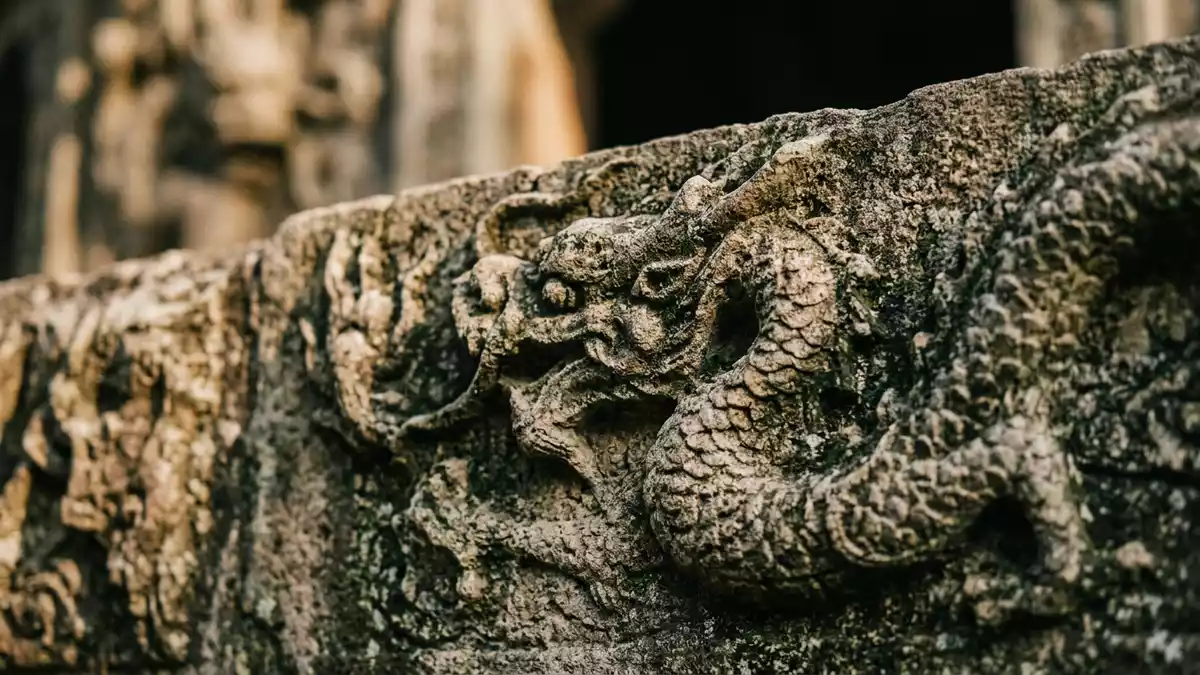
Longhu Ta in Kaohsiung brings temple architecture, folk symbolism and lakeside scenery together in a single walkable complex of dragon and tiger figures leading to twin pagoda towers on Lotus Pond. Standing in Zuoying District in southern Taiwan, the temple was built in 1976 and quickly became one of the most recognisable religious structures around the lake, its animal guardians and bright colours rising above the water and the surrounding shrines.
Dragon and tiger gateways to twin pagodas
Longhu Ta centres on two multi-storey pagoda towers set on platforms out over the water near the shore of Lotus Pond in Zuoying District in the northern part of Kaohsiung, with access paths linking them back to the lakeside promenade.Longhu Ta stands beside Lotus Pond in Bidong Village Each pagoda is associated with one of the two large animal figures, a dragon and a tiger, whose painted bodies form extended gateways between the shore and the bases of the towers.
The complex is known in English as the Dragon and Tiger Pagodas and locally by the Chinese name Longhu Ta, literally “Dragon Tiger Pagoda”, and forms part of the wider temple landscape around Lotus Pond in Zuoying.The Dragon and Tiger Pagodas are located at Lotus Lake in Zuoying District The pagoda structures rise above concrete bases connected to the shore so that the towers appear to emerge directly from the lake surface rather than from solid ground, adding vertical accents to a shoreline otherwise lined with lower temple halls and pavilions.
1970s temple construction and Taiwanese folk religion
The Dragon and Tiger Pagodas were completed in 1976, placing Longhu Ta firmly in the late twentieth century and giving Lotus Pond a new layer of temple construction alongside older complexes associated with different periods of Kaohsiung’s religious history.The towers date to the 1970s While the pagoda form draws on long-standing Chinese architectural traditions, the vivid colouring of walls, columns and roof tiles and the theatrical treatment of the dragon and tiger reflect Taiwanese folk religious expression of that era.
Longhu Ta sits within the Lianchihtan or Lotus Pond scenic area, a lakeside landscape of temples, pavilions and statues including complexes linked by bridges and promenades around the shore.The Lotus Pond temple landscape includes older shrines and pagodas In this setting, the dragon and tiger figures of Longhu Ta stand alongside other lakeside religious structures, but the combination of walk-through animal bodies and twin towers gives the complex a distinctive role in the broader scene.
Lotus Pond setting and lakeside perspectives
Lotus Pond itself lies in Bidong Village in Zuoying District, on the northern edge of Kaohsiung, and forms an elongated lake framed by residential streets, temple forecourts and parkland.Longhu Ta is mapped in Bidong Village in Zuoying District The platforms carrying the pagodas extend from the shore over the water, so that visitors at Longhu Ta look back towards land on one side and out across the lake on the other, with reflections of towers and animal figures visible in calm conditions.
Zuoying District forms part of Kaohsiung, a major port city in southern Taiwan, and the Lotus Pond area is reached from the urban fabric by local streets that approach the lakeshore and its temples.The Drachen-und-Tiger-Pagoden stand on the shore of Lotus Pond in Zuoying District Around Longhu Ta, paths run along the lake edge, connecting the dragon and tiger pagodas with neighbouring religious sites and providing vantage points from which the towers, the water and the surrounding buildings can be seen together.
Visiting Longhu Ta: what travellers from Western Europe should know
- Longhu Ta stands beside Lotus Pond in Zuoying District in the northern part of Kaohsiung in southern Taiwan, reached from the city by local streets leading to the lakeshore.
- The temple complex sits partly over the water, with access paths and bridges that involve sections on foot and staircases inside the pagoda towers.
- Lotus Pond lies in southern Taiwan where Mandarin Chinese is widely used and the currency is the New Taiwan dollar.
Searching for Longhu Ta on social platforms
These links open searches for Longhu Ta on each platform.
Frequently asked questions about Longhu Ta
Where is Longhu Ta located?
Longhu Ta stands beside Lotus Pond in Bidong Village in Zuoying District, on the northern side of Kaohsiung in southern Taiwan.
What can visitors expect at Longhu Ta?
Visitors encounter twin pagoda towers reached through large dragon and tiger figures, with walkways over the lake and views across Lotus Pond and neighbouring temples.
What makes Longhu Ta distinctive among Lotus Pond temples?
The combination of walk-through dragon and tiger gateways, twin pagoda towers built in 1976 and their position on platforms over the water gives Longhu Ta a distinctive form.


