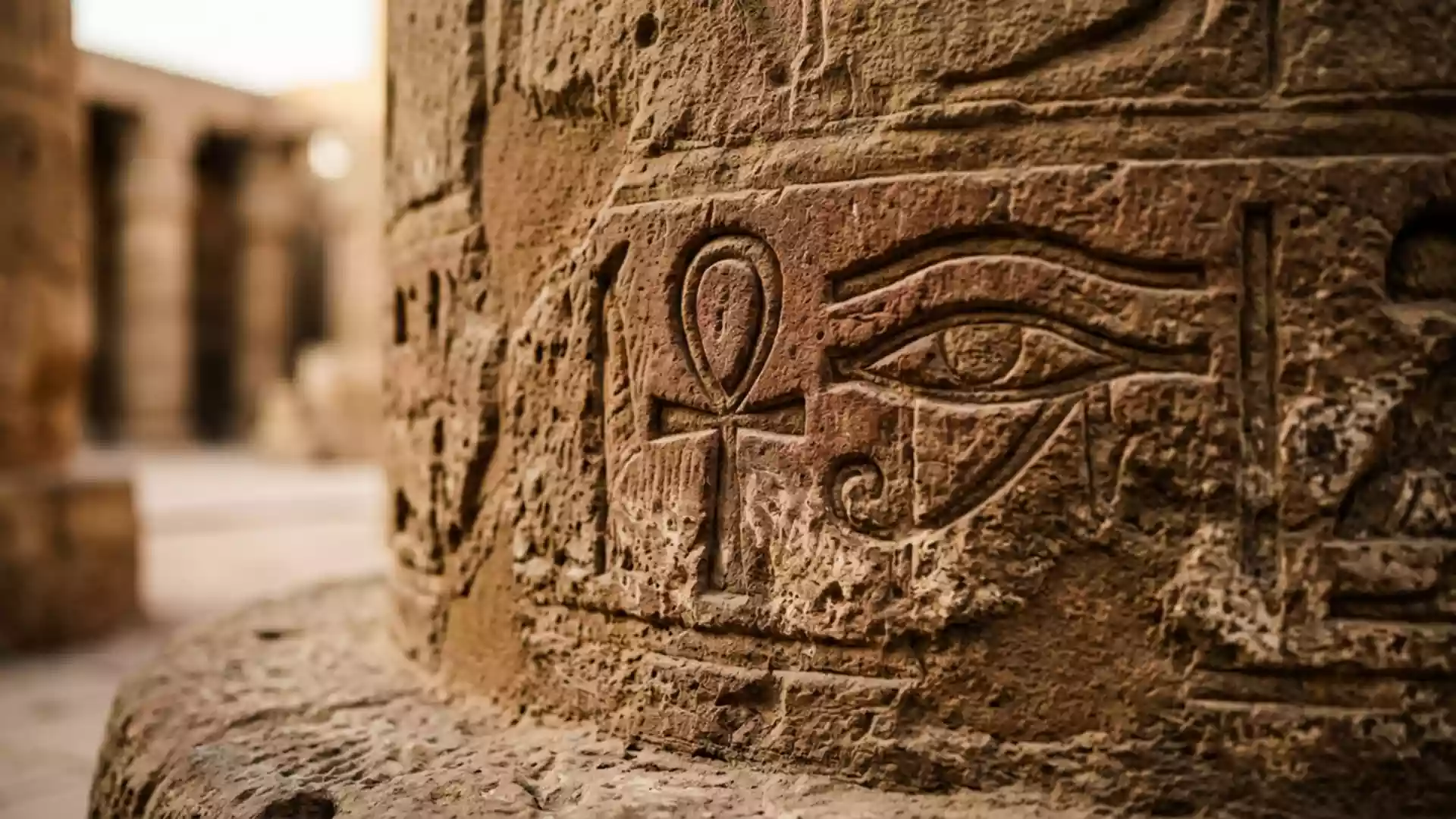
Luxor Temple and its layered stone form
Published on 08/30/2026 at 14:12 | Editorial responsibility: Rafael Müller, Editor-in-Chief AD HOC NEWS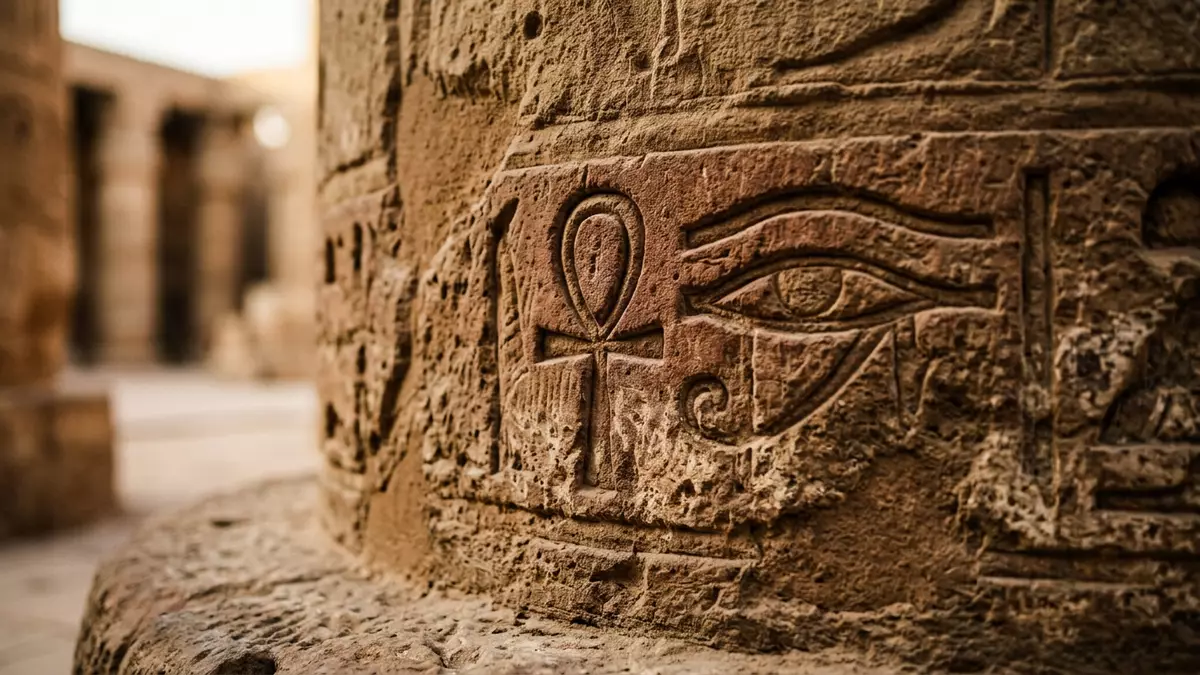
Luxor Temple rises on the east bank of the Nile in Luxor, within ancient Thebes. Its sandstone mass and long sequence of courts, colonnades and pylons make the temple read as a layered monument rather than a single design.
Luxor Temple and the royal layers of Thebes
The temple belongs to the religious landscape of Ancient Thebes with its Necropolis, the UNESCO World Heritage property inscribed in 1979. Luxor Temple stands within that serial site beside Karnak, on ground that once formed the ceremonial heart of the city of Amun.Ancient Thebes property
The core phase is linked to Amenhotep III, who ruled in the eighteenth dynasty and left a refined complex in the fourteenth century BC. Later pharaonic additions by Ramesses II changed the temple’s front edge and gave the entrance its most recognisable profile.Amenhotep III
Sandstone courts, pylons and obelisks
Sandstone from Upper Egypt gives the temple its warm colour range, from broad wall surfaces to the close-packed columns of the colonnade. The surviving obelisk of Ramesses II stands beside the pylon, while its pair now survives in Paris, a reminder of the temple’s once more symmetrical front.
The sequence inside is easy to read: open court, columned spaces, enclosed chambers, then the deeper sanctuary zone. That progression makes the temple feel like a building composed of visible historical layers rather than one frozen moment.Luxor Temple project
Roman and later reuse inside the temple
Luxor Temple has another layer that is visible on site: later religious use continued inside the ancient enclosure. A mosque associated with Abu Haggag occupies part of the complex, and Roman-period alterations also left traces in the temple fabric.
That overlap of Egyptian, Roman and Islamic history gives the temple a dense physical record of changing worship and authority. The result is a place where the stonework itself carries several periods in one setting.Temple history
Visiting Luxor Temple: what travellers from Western Europe should know
- The temple stands in central Luxor, on the Nile’s east bank. It is reached through the city streets, with the river and the old urban fabric close by.
- The site is a mostly level temple complex with broad paved areas, steps between some levels and long runs of colonnades. The scale is architectural rather than topographic.
- Sandstone surfaces, columns and carved reliefs dominate the visit. The temple’s front also includes the pylon and the remaining obelisk of Ramesses II.
- Luxor is in Egypt, and the official language is Arabic. The currency is the Egyptian pound.
Searching for Luxor Temple on social platforms
These links open searches for Luxor Temple on each platform.
Frequently asked questions about Luxor Temple
Where is Luxor Temple?
Luxor Temple stands in the city of Luxor, on the east bank of the Nile in Egypt. It forms part of Ancient Thebes with its Necropolis, the World Heritage property that also includes Karnak.
What should the visit feel like?
The complex unfolds through courts, colonnades, pylons and carved stone surfaces. The visit is shaped by scale, repeated columns and the contrast between open and enclosed spaces.
What makes Luxor Temple distinctive?
Its identity lies in the overlap of Amenhotep III, Ramesses II, Roman adaptation and later mosque use. Few monuments present so many visible periods in one enclosure.