
Matobo Hills and the granite forms south of Bulawayo
Published on 09/17/2026 at 11:08 | Editorial responsibility: Rafael Müller, Editor-in-Chief AD HOC NEWS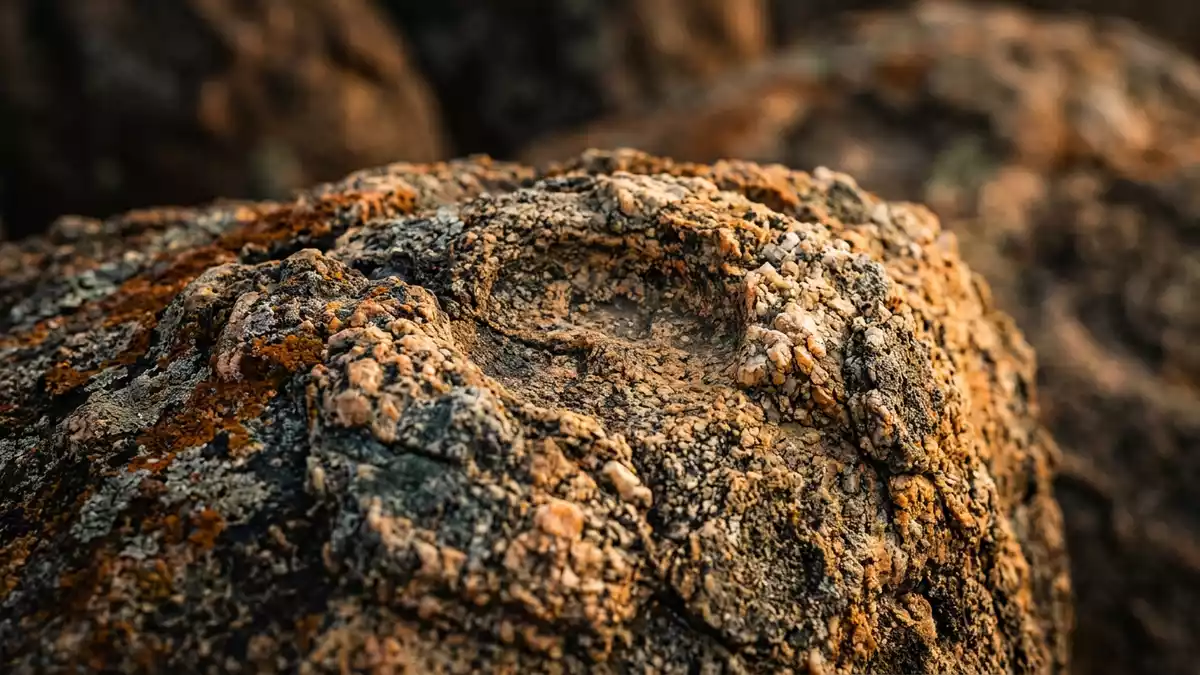
Matobo Hills lies south-west of Bulawayo in Zimbabwe and forms a UNESCO World Heritage cultural landscape. Its granite outcrops rise in dense clusters, with rock art, shrines and shelters spread through the hills.
Granite domes, shelters and painted walls
The landscape is made of weathered granite landforms, boulders and kopjes that stand above wooded valleys. That rock fabric gives the hills their broken outline and their many natural shelters.
UNESCO lists the site for its rock art, its long human history and its continuing spiritual traditions, and the designation was made in 2003World Heritage cultural landscape. The hills are also associated with the Mwari religion, a name that links the place to long-standing ritual practiceMwari religion.
Matobo Hills in the history of southern Zimbabwe
The site sits in Matabeleland South Province and stretches across a broad area south-west of Bulawayo. That setting places it within the granite belt of southern Zimbabwe, where the rock surface is exposed in ridges, domes and scattered blocks.
The hills are known for a dense concentration of rock art. Painted shelters preserve images from the Stone Age and the Iron Age, while the wider landscape preserves shrines and other sacred placesrock art sites. The nomination record describes the place as a cultural landscape and places it in the south-west of Zimbabwecultural landscape.
Rock art and living traditions
Many visitors come for the contrast between bare granite surfaces and the sheltered interiors of caves and overhangs. The surviving paintings give the hills their strongest visual language, with animals, people and abstract signs across different panels.
The cultural importance of the place does not stop at archaeology. The hills remain tied to ritual sites and to a religious tradition centred on the rocks themselves, which gives the landscape a living character as well as a historic onecontinuing spiritual traditions.
Visiting Matobo Hills: what travellers from Western Europe should know
- The hills lie south-west of Bulawayo, in south-western Zimbabwe. Road access from the city reaches the wider Matobo landscape and the conservation area around it.
- The terrain is granite country with boulders, kopjes and natural shelters. Some places involve uneven ground and rock surfaces under open sky.
- The site is linked to painted caves, shrines and sacred places. Several named rock-art shelters belong to the wider landscape.
- The official language is English and the currency is the Zimbabwean dollar.
- Entry requirements depend on your nationality; UK travellers can check the FCDO travel advice at gov.uk/foreign-travel-advice, Irish travellers the Department of Foreign Affairs at ireland.ie.
Searching for Matobo Hills on social platforms
These links open searches for Matobo Hills on each platform.
Frequently asked questions about Matobo Hills
Where is Matobo Hills?
Matobo Hills is in south-western Zimbabwe, south-west of Bulawayo. It lies in Matabeleland South Province.
What does a visit involve?
The place combines granite landforms, painted shelters and sacred sites. The ground is uneven in many parts, and the landscape is spread over a broad area.
What makes Matobo Hills distinctive?
The combination of granite scenery, rock art and living religious tradition gives the hills their character. UNESCO lists it as a cultural landscape, not just a geological site.


