
Matobo Hills and the granite landscape of Zimbabwe
Published on 09/24/2026 at 08:15 | Editorial responsibility: Rafael Müller, Editor-in-Chief AD HOC NEWS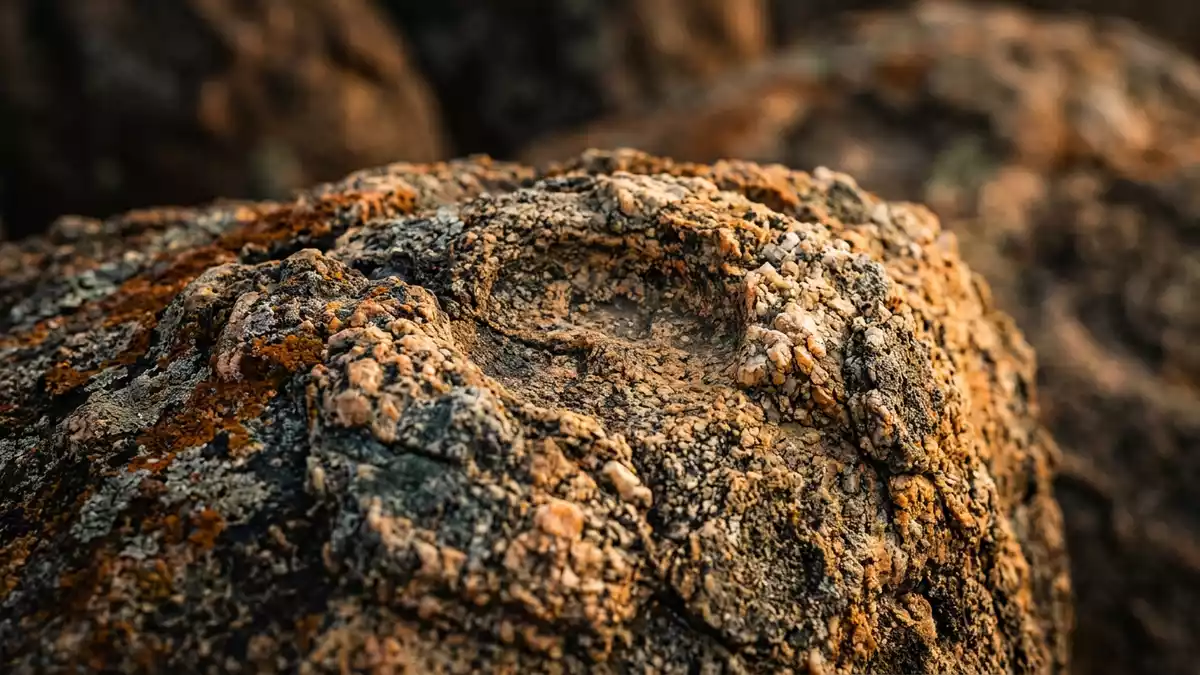
Matobo Hills spreads across a granite landscape south of Bulawayo, where rounded rock formations, sheltered paintings and sacred places occupy the same hills. Granite dominates the view, but the area is also an archaeological record and a living cultural landscape.
Granite forms above Zimbabwe’s southern plateau
Matobo Hills lies about 35 km south of Bulawayo in south-western Zimbabwe. The landscape rises above a broad granite shield, with weathering shaping the rock into rounded domes, exposed slabs, balancing boulders and isolated outcrops.
These landforms appear across wooded valleys and open slopes. Large granite blocks create natural shelters beneath overhangs, while smooth rock surfaces form distinctive landmarks within the hills. The geological story reaches back more than two billion years, when granite formed deep below the surface before erosion exposed it. The World Heritage description records the varied composition and alignment of the granite as a factor in the forms visible across Matobo.
Rock art beneath ancient shelters
Rock shelters give Matobo Hills its strongest archaeological presence. Human occupation reaches back at least 500,000 years, while the oldest recognised paintings date back at least 13,000 years. The images include animals, human figures and abstract marks painted on sheltered granite surfaces.
The paintings are associated with foraging communities and form a dense record of life in southern Africa’s Stone Age. Archaeological remains also document the transition towards agricultural societies. The World Heritage decision places the rock art alongside archaeology and long-standing religious traditions within the cultural value of the hills.
Mwari shrines and the history of Matobo
Matobo Hills remains associated with the Mwari, or Mwali, religion, an indigenous tradition centred on sacred places among the rocks. Shrines such as Njelele, Dula and Zhilo connect spiritual practice with caves, hills, forests and other features of the landscape.
The hills also contain graves associated with King Mzilikazi, founder of the Ndebele nation, and Cecil John Rhodes. Their presence places Ndebele and colonial history within the same granite setting. Matobo Hills entered the UNESCO World Heritage List in 2003 as a cultural landscape under criteria relating to rock art, community interaction with the environment and religious traditions. The heritage nomination record identifies the area as a cultural landscape and describes its continuing association with Mwari beliefs.
Visiting Matobo Hills: what travellers from Western Europe should know
- Matobo Hills lies south of Bulawayo. From the city, Matopos Road leads towards Matobo National Park and the main hill landscape.
- The terrain consists of granite outcrops, exposed rock, wooded valleys and natural shelters. Walks can involve uneven ground, sloping surfaces and steps near particular sites.
- Matobo National Park forms part of the wider Matobo Hills area. Its landscape includes granite kopjes, valleys, caves and rock shelters.
- The official language is English, Shona and Ndebele, and the currency is the Zimbabwean dollar.
- Entry requirements depend on your nationality; UK travellers can check the FCDO travel advice at gov.uk/foreign-travel-advice, Irish travellers the Department of Foreign Affairs at ireland.ie.
Searching for Matobo Hills on social platforms
These links open searches for Matobo Hills on each platform.
Frequently asked questions about Matobo Hills
Where are Matobo Hills?
Matobo Hills lies in south-western Zimbabwe, about 35 km south of Bulawayo. Matobo National Park occupies part of the wider cultural landscape.
What can visitors expect at Matobo Hills?
The landscape contains granite formations, wooded valleys, rock shelters, archaeological remains and painted surfaces. Walks may cross uneven granite terrain and sloping ground.
What makes Matobo Hills distinctive?
Granite landforms, ancient rock art and living Mwari traditions occur within one cultural landscape. UNESCO inscribed Matobo Hills as a World Heritage Site in 2003.


