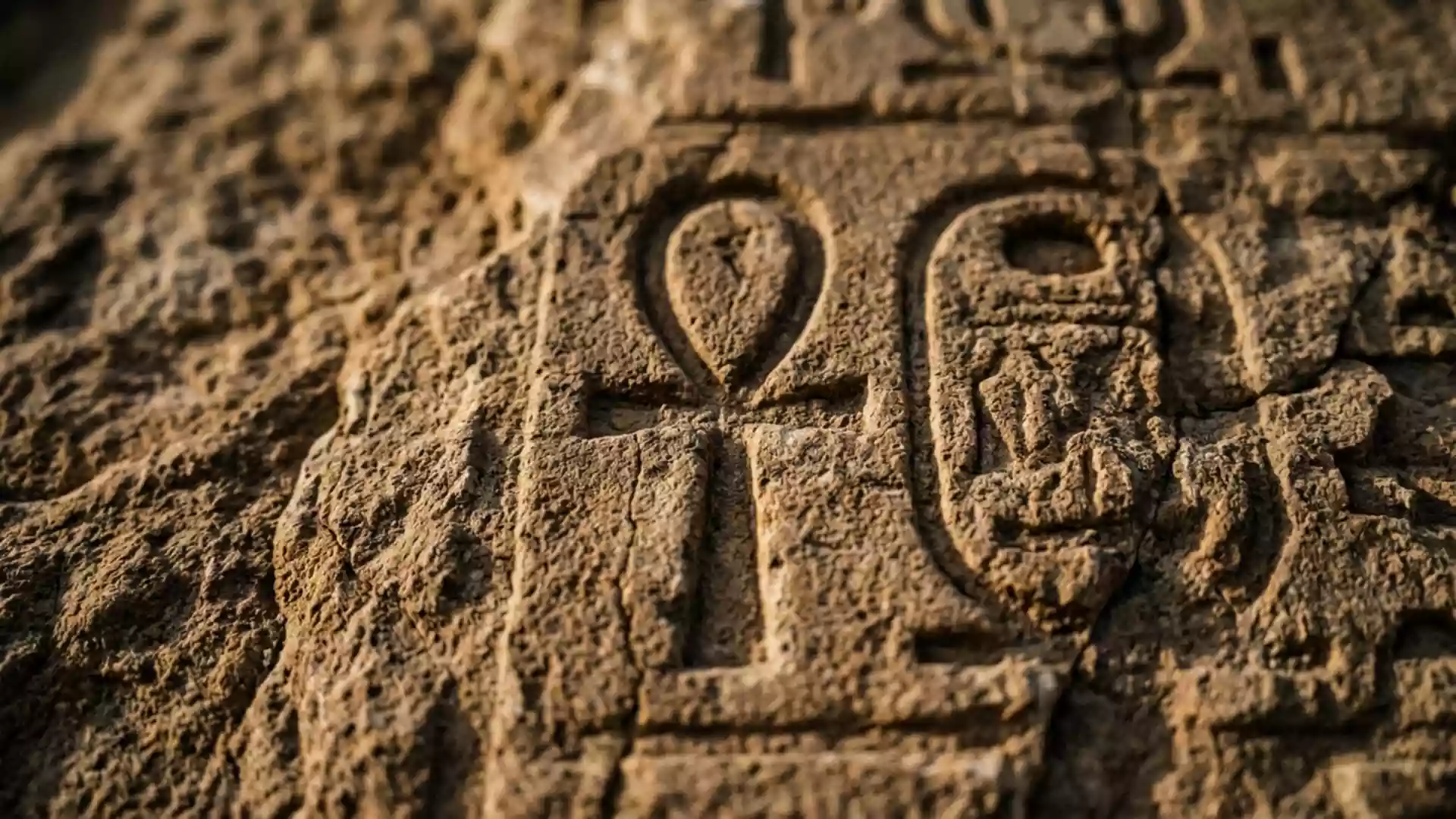
Memnon Colossi site yields new temple finds on 22 October
Published on 10/31/2026 at 08:06 | Editorial responsibility: Rafael Müller, Editor-in-Chief AD HOC NEWSNew evidence from Amenhotep III
- Egyptian-German archaeologists announced discoveries at the temple site on 22 October 2026.
- Two sphinxes measuring approximately 8 metres were found with Sekhmet busts and decorated architectural remains.
- The restoration project has operated under Egypt’s Ministry of Tourism and Antiquities since 1998.
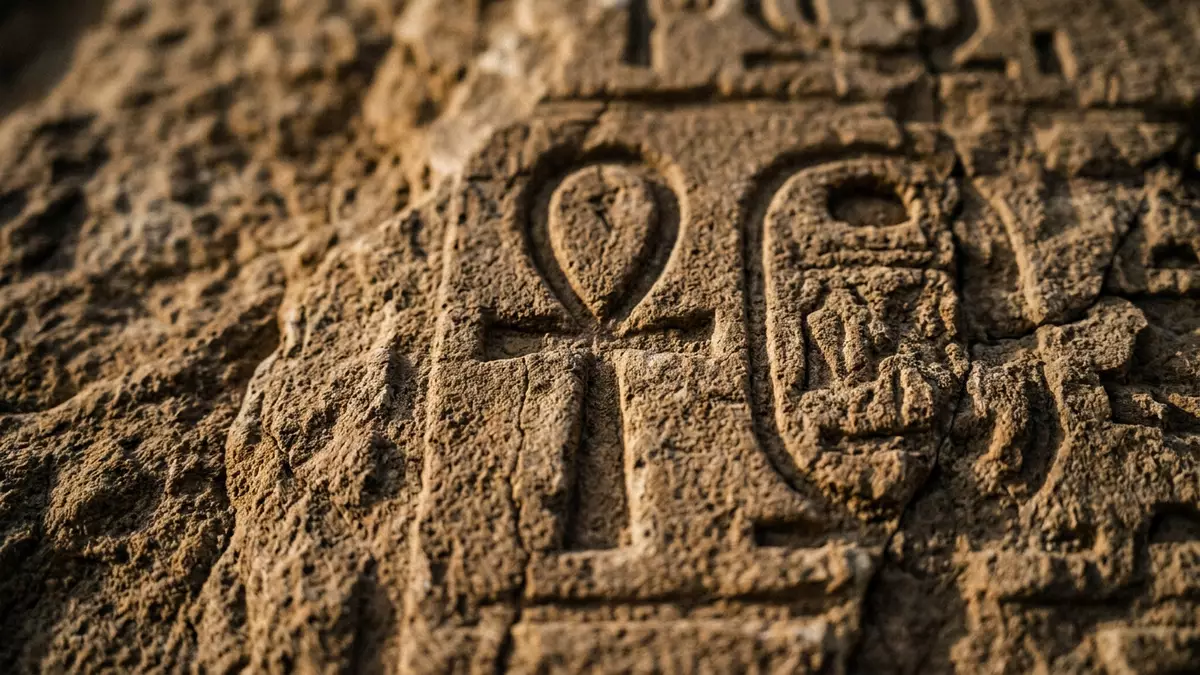
The Memnon Colossi site in Luxor, Egypt, has yielded new evidence from the mortuary temple of Amenhotep III, including two sphinxes and remains of decorated walls and columns. The Egyptian-German archaeological mission announced the discoveries on 22 October 2026 during continuing restoration work at the ancient complex.
New sphinxes emerge at the Luxor temple site
The announcement by Egypt’s Ministry of Tourism and Antiquities concerns the temple precinct behind the statues on the western bank of the Nile. The mission found parts of two large limestone sphinxes near the rear of the Third Pylon gate, together with three black-granite busts of the goddess Sekhmet.
Cleaning and conservation revealed a royal inscription on the chest area of one sphinx. The ministry said the inscription bears the name of Amenhotep III, while preliminary studies put the length of each sphinx at approximately 8 metres. The pieces are being restored and prepared for possible reassembly in their original positions.
The finds also include sandstone wall fragments with scenes linked to the Heb-sed festival, a small black-granite statue of an official, column bases and stone blocks from the southern part of the great pillared hall. The ministry said the material indicates that the hall was larger and contained more columns than previously understood. The ministry’s discovery report also links the sphinxes to the beginning of a processional road between the Third Pylon and the courtyard.
How the discovery changes the temple picture
The seated statues at the roadside once marked the entrance to Amenhotep III’s mortuary temple, known in ancient Egypt as the Temple of Millions of Years. Much of that complex was destroyed by an earthquake in antiquity, leaving the two monumental figures as its best-known surviving remains.
The new evidence adds detail to the spaces that connected the temple’s gateways, courts and ceremonial areas. The processional route identified by the mission was associated with the Beautiful Valley Festival and the Heb-sed celebrations. This gives the October announcement a direct connection with the statues: visitors see the surviving entrance guardians, while the excavation is reconstructing the ceremonial landscape behind them.
The current conservation project began in 1998 under the supervision of Egypt’s Ministry of Tourism and Antiquities and the German Archaeological Institute. The work combines excavation, cleaning, strengthening and the reassembly of sculptures. A background report on the temple project describes the wider reconstruction of Amenhotep III’s complex and the continuing work of mission director Hourig Sourouzian.
What the October discovery means for the site
The announcement does not describe a new visitor entrance or a completed exhibition. It concerns archaeological material being conserved within the temple area, so the newly found sphinxes, busts and architectural fragments should not be assumed to be on public display. The roadside statues remain the principal visible feature associated with the site.
Visiting Memnon Colossi: what travellers from Western Europe should know
- The archaeological discovery was announced on 22 October 2026 at the temple complex on Luxor’s western bank.
- The announcement concerns continuing restoration and excavation; it does not confirm public access to the newly discovered pieces.
- The statues stand beside the road on the western bank of the Nile in Luxor, near the remains of Amenhotep III’s mortuary temple.
- The site is an outdoor archaeological setting, while the newly reported sphinxes and other fragments are undergoing conservation and reassembly.
- Egypt’s official language is Arabic and its national currency is the Egyptian pound.
- Entry requirements depend on your nationality; UK travellers can check the FCDO travel advice at gov.uk/foreign-travel-advice, Irish travellers the Department of Foreign Affairs at ireland.ie.
Searching for Memnon Colossi on social platforms
These links open searches for Memnon Colossi on each platform.
Frequently asked questions about Memnon Colossi
When were the new temple discoveries announced?
Egypt’s Ministry of Tourism and Antiquities announced them on 22 October 2026. The finds came from continuing work at Amenhotep III’s temple complex in Luxor.
What was found behind the Memnon Colossi?
Archaeologists found parts of two limestone sphinxes, three Sekhmet busts, decorated wall fragments, column bases and other architectural remains.
Where are the Memnon Colossi and how do you get there?
They stand on Luxor’s western bank of the Nile beside the road near the remains of Amenhotep III’s mortuary temple. The site is reached from Luxor’s West Bank by road.