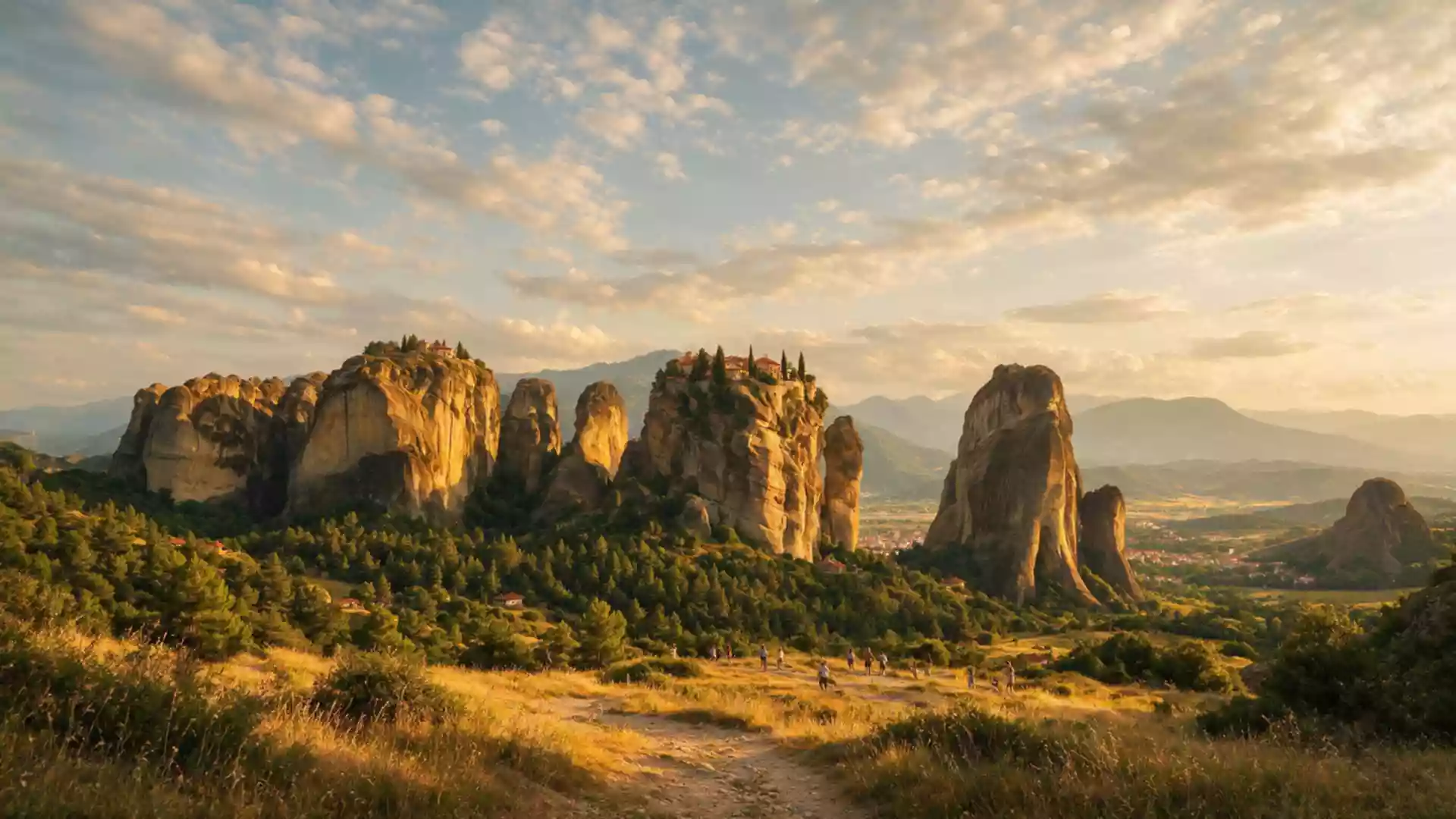
Meteora hosts International Soil Day event on 5 December
Published on 11/07/2026 at 10:24 | Editorial responsibility: Rafael Müller, Editor-in-Chief AD HOC NEWSEvent and landscape context
- The Meteora-Pyli Geopark lists its soil event for 5 December 2026.
- Kalambaka provides the named town reference for the landscape and its Geopark programme.
- Meteora has been a UNESCO World Heritage Site since 1988.
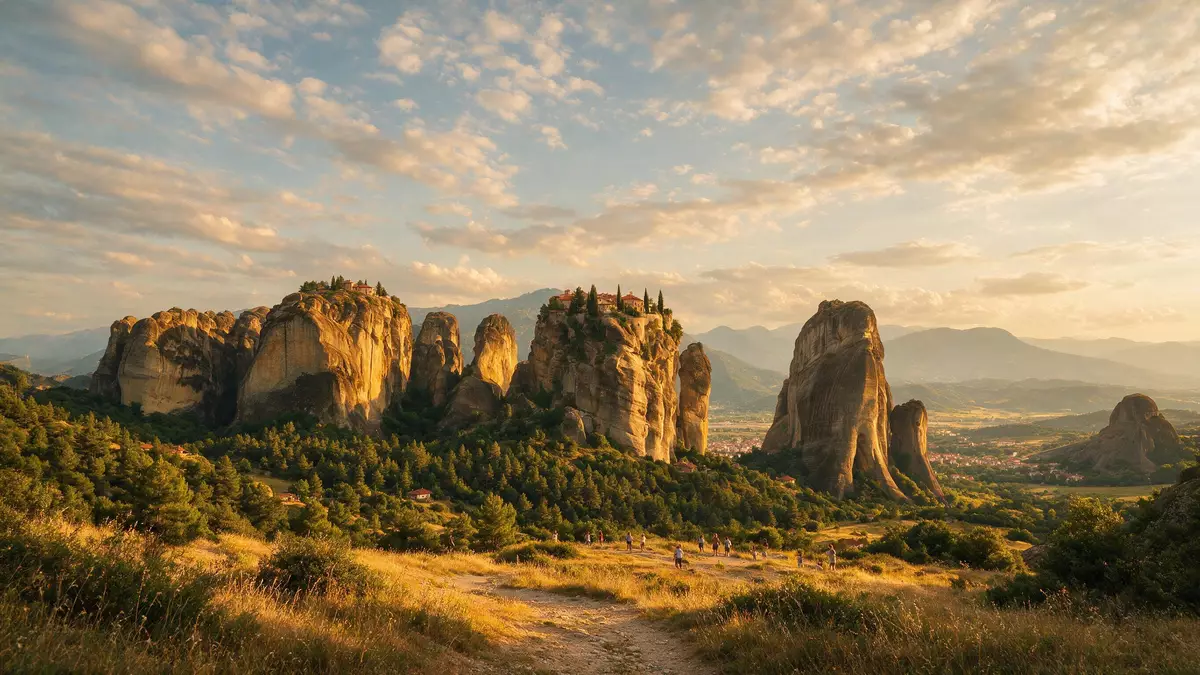
Meteora, the rock landscape above Kalambaka in Greece, will host the Event for International Soil Day on 5 December 2026. The programme is listed by the Meteora-Pyli Geopark, giving travellers a scheduled environmental event alongside the area’s monasteries and geological scenery.
The event falls within the current winter travel period and offers a specific reason to include the Geopark in a visit to Kalambaka. Its date is 5 December 2026, placing it inside the early-December calendar rather than among the area’s recurring summer cultural programmes.
International Soil Day event is listed for 5 December
The Geopark’s official event listing for 5 December 2026 gives the programme a time of 11am to 1pm and categorises it as an event. The same page identifies the Meteora-Pyli Geopark, linking the date and venue in one listing.
The title uses the wording Event for International Soil Day. It does not present the programme as a monastery service, a concert or a commercial food event, but as an activity within the Geopark calendar. The calendar describes its programme as covering nature, culture, local gastronomy and education across the Meteora-Pyli Geopark.
Meteora landscape connects geology with monastery visits
The event gives the geological setting a direct place in a December visit. The wider landscape combines high rock formations with monasteries, while Kalambaka is the principal town named in coverage of the area and its visitor-management plans.
Meteora has been a UNESCO World Heritage Site since 1988, according to a recent report on visitor pressure and conservation in the area. The same report says that the Meteora-Pyli Geopark entered the UNESCO Global Geoparks Network in 2025, adding a second international designation focused on geological and natural heritage.
That distinction helps explain why a soil programme belongs in the destination’s current cultural calendar. The World Heritage designation relates to the wider religious and cultural landscape, while the Geopark status frames geological features, education and sustainable development as connected parts of the region. The event therefore links the December programme to the setting travellers come to see, without changing the role of the monasteries.
Recent work in the surrounding area has also broadened the range of places associated with the landscape. A report by Greece Is on Meteora’s visitor pressures records the reopening of Theopetra Cave after nine years, a via ferrata and a 17-kilometre hiking network completed in 2025. These developments are separate from the 5 December programme, but they show how the destination now presents geology, walking and cultural heritage together.
Visiting Meteora: what travellers from Western Europe should know
- The Event for International Soil Day takes place on 5 December 2026 within the Meteora-Pyli Geopark.
- The official listing schedules the programme from 11am to 1pm and identifies it as an event rather than a change to monastery access.
- Kalambaka is the named town reference for visits to the landscape in central Greece, with the rock formations and monasteries forming the main setting.
- The terrain includes elevated rock formations, monastery approaches and hiking routes, so the event sits within a landscape that combines geological and religious heritage.
Searching for Meteora on social platforms
These links open searches for Meteora on each platform.
Frequently asked questions about Meteora
When does the Event for International Soil Day take place at Meteora?
The event is scheduled for 5 December 2026 within the Meteora-Pyli Geopark.
What is Meteora?
Meteora is a Greek landscape of rock formations and monasteries, and it has been a UNESCO World Heritage Site since 1988.
Where is Meteora and how do you get there?
The landscape is associated with Kalambaka in Greece, which is the named town reference for the Geopark and the surrounding visitor area.