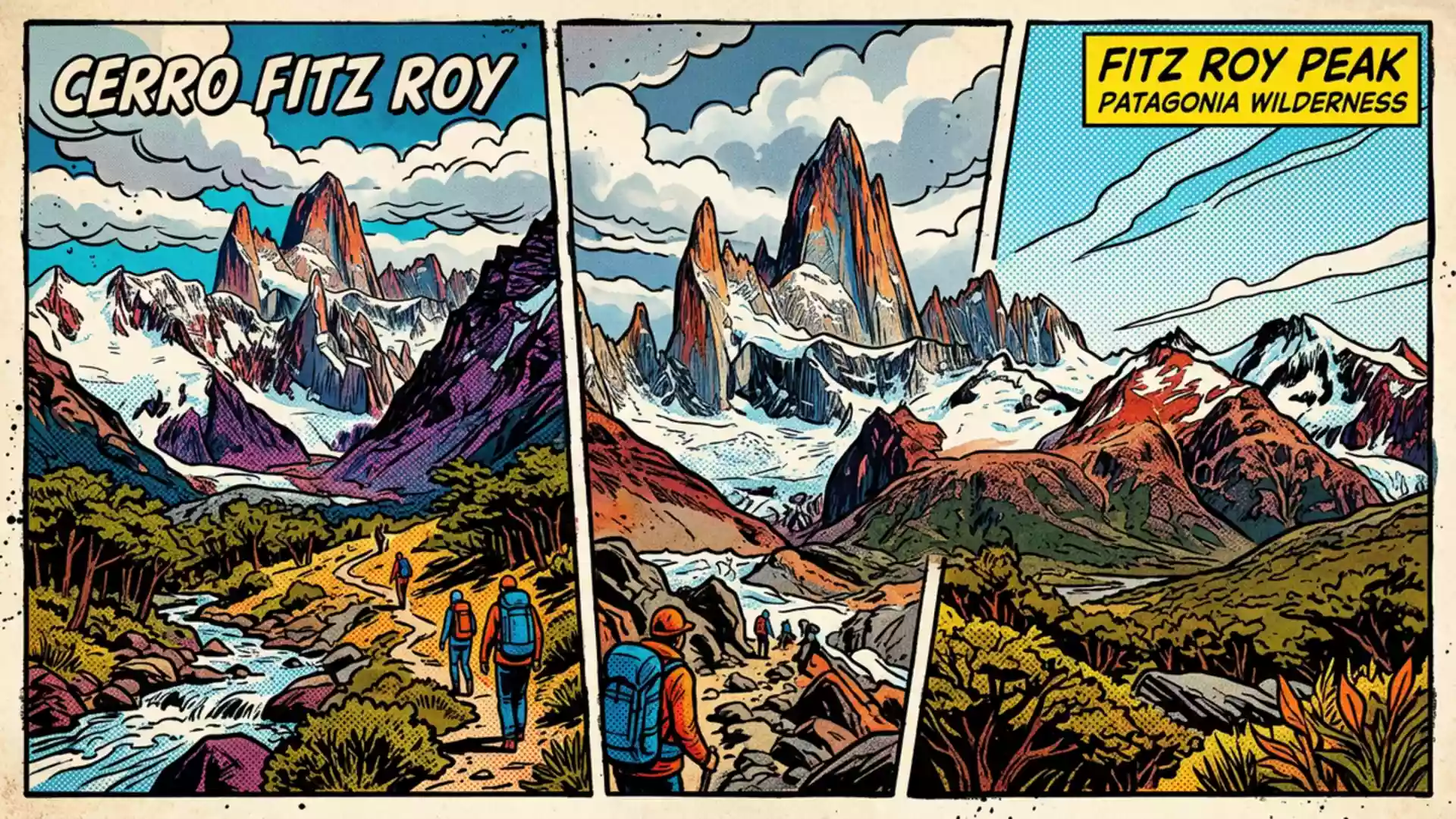
Mount Fitz Roy joins heritage list on 6 November
Published on 11/14/2026 at 12:37 | Editorial responsibility: Rafael Müller, Editor-in-Chief AD HOC NEWSGeology behind the recognition
- The IUGS announced the Fitz Roy designation on 6 November 2026 during its Geoheritage Event in Portugal.
- The recognised complex covers about 45 square kilometres and includes Mount Fitz Roy, Cerro Torre and nearby granite spires.
- Mount Fitz Roy reaches 3,405 metres within Los Glaciares National Park in Santa Cruz province.
- Argentina now has six IUGS-recognised geological heritage sites after the 2026 selection.
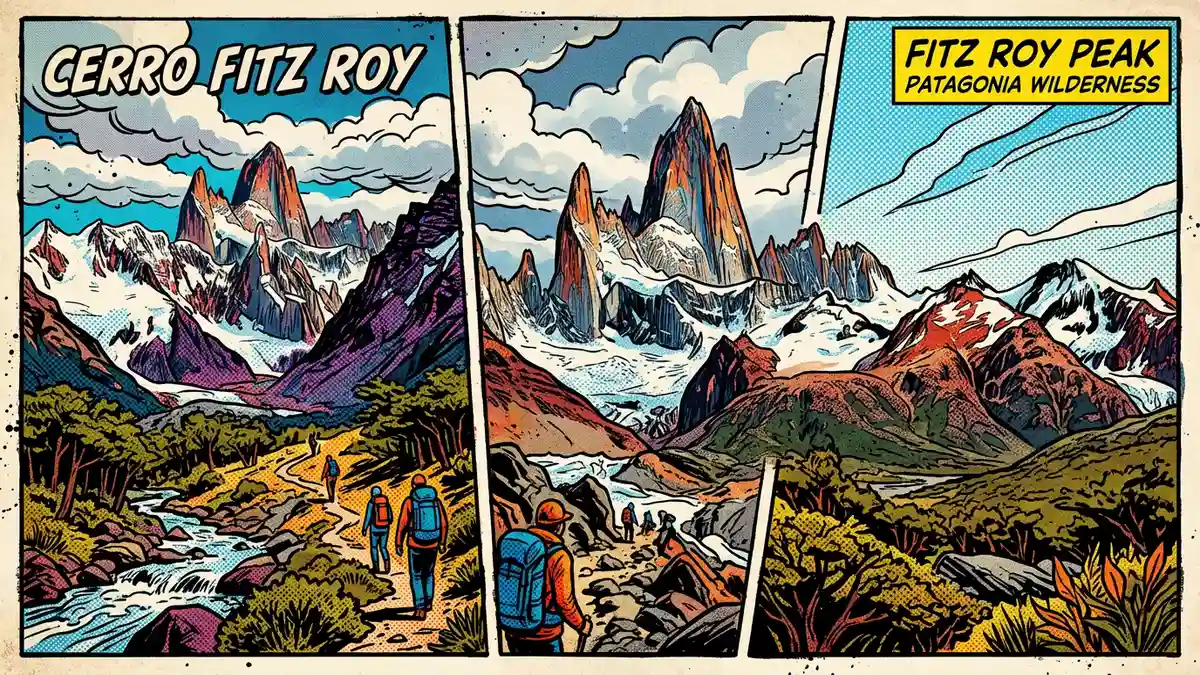
Mount Fitz Roy (Chaltén) has joined the International Union of Geological Sciences’ Third 100 Geological Heritage Sites, announced on 6 November 2026. The recognition concerns the granite towers and spires near El Chaltén in Argentina and gives travellers a new scientific context for the mountain.
Mount Fitz Roy enters the IUGS heritage list
The IUGS announced its new selection during a Geoheritage Event in Portugal, where 156 experts from 49 countries took part in the process. The official designation is Granitic Towers and Spires of the Fitz Roy Plutonic Complex, and the listed site lies in Santa Cruz province in Patagonia.
The designation covers the mountain massif, Cerro Torre and many of the surrounding spires. The IUGS announcement places the complex among 100 new geological heritage sites distributed across 47 countries. The programme recognises places for their scientific value and their contribution to understanding the Earth’s history.
Why the new designation matters for the mountain
The Fitz Roy Plutonic Complex covers about 45 square kilometres and was formed when magma cooled slowly below the Earth’s surface. Geological dating places the rocks between 16.90 and 16.37 million years old, with several pulses of magma injection shaping the body.
Later uplift and erosion exposed the rocks, while repeated glacial action cut the valleys around them. The complex therefore links underground magmatic processes with the landscape visible from the trails around El Chaltén. The IUGS site record places Mount Fitz Roy at 3,405 metres and identifies geomorphology, active geological processes, and igneous and metamorphic petrology as the main interests.
That connection between science and scenery is the practical meaning of the November recognition. A viewpoint below the granite walls can now be read as part of a geological sequence involving magma, tectonic uplift and glacial erosion, rather than only as a mountain panorama.
Visiting Mount Fitz Roy: what travellers from Western Europe should know
- The IUGS recognition was announced on 6 November 2026 and concerns the Fitz Roy Plutonic Complex near El Chaltén.
- The mountain is reached from the eastern side through Los Glaciares National Park, with the best-known approaches beginning around El Chaltén.
- The terrain is mountainous, with steep trails, exposed granite scenery, glacial valleys and high-elevation viewpoints. Mount Fitz Roy rises to 3,405 metres.
- Argentina’s official language is Spanish and its national currency is the Argentine peso.
- Entry requirements depend on your nationality; UK travellers can check the FCDO travel advice at gov.uk/foreign-travel-advice, Irish travellers the Department of Foreign Affairs at ireland.ie.
Searching for Mount Fitz Roy on social platforms
These links open searches for Mount Fitz Roy on each platform.
Frequently asked questions about Mount Fitz Roy
When was the Fitz Roy heritage designation announced?
The IUGS announced the designation on 6 November 2026 during its Geoheritage Event in Portugal.
Where is Mount Fitz Roy and how do you get there?
Mount Fitz Roy is in Santa Cruz province, Argentina, near El Chaltén, and the eastern approach runs through Los Glaciares National Park.
What is Mount Fitz Roy?
It is a 3,405-metre mountain within the Fitz Roy Plutonic Complex, a granite formation dated by the IUGS to between 16.90 and 16.37 million years old.