
Murchison Falls National Park and the Nile squeezed through rock
Published on 08/16/2026 at 14:39 | Editorial responsibility: Rafael Müller, Editor-in-Chief AD HOC NEWS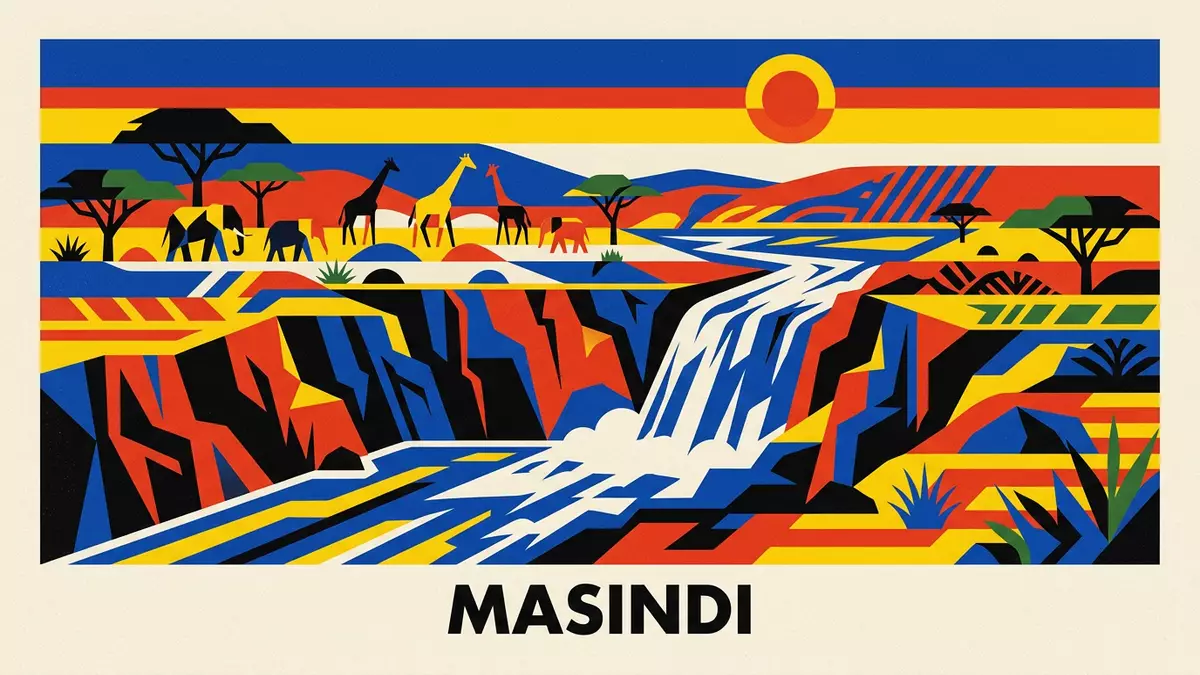
Murchison Falls National Park in northern Uganda stretches from the savanna near Masindi to the cleft in the rock where the Victoria Nile is forced through a narrow gorge and drops in a single dramatic cascade. The protected area was designated as a national park in 1952, building on an earlier game reserve, and has since become a core landscape of river, grassland and woodland in the country’s north-west.
The Nile, the falls and the rift valley
The defining feature of Murchison Falls National Park is the section of the Victoria Nile where the river is squeezed through a rock cleft only a few metres wide and plunges over a high fall before continuing towards Lake Albert. The river cuts through the northern end of the Albertine Rift Valley, flowing westwards across Uganda’s interior before meeting the lake at the edge of the park’s grasslands.The Victoria Nile bisects the park from east to west, passing through this narrow gorge to form the waterfall that gives the park its name.
Visitors encounter a sequence of landscapes along the river: upstream, stretches of white-water rapids lead towards the gorge; at the falls, water churns through the rock opening and drops in spray; downstream, the Nile broadens into a calmer channel lined by sandbanks and riverine forest before entering Lake Albert. The falls themselves are also known as Kabalega Falls, a second name linked to the Bunyoro kingdom, and the national park surrounding them takes its English name from Sir Roderick Murchison, a nineteenth-century president of the Royal Geographical Society.Murchison Falls National Park lies at the northern end of the Albertine Rift Valley, with the river forming a visible spine through grassland and woodland.
Grassland, woodland and the wider conservation area
Beyond the gorge and the riverbanks, Murchison Falls National Park covers extensive tracts of savanna-woodland dotted with palms, patches of tropical forest and open grassland. The protected area extends over roughly 3,840 square kilometres (1,483 square miles) of rolling terrain east of Lake Albert, forming Uganda’s largest single national park by area.The park is described as Uganda’s oldest and largest conservation area, combining savanna, woodland and riverine forest in one landscape.
Together with the adjoining Bugungu Wildlife Reserve and Karuma Falls Wildlife Reserve, the park forms the wider Murchison Falls Conservation Area, a protected block of more than 5,000 square kilometres stretching from the escarpment above Lake Albert to the rapids and falls on the Victoria Nile.The conservation area includes Bugungu and Karuma reserves alongside the national park, linking woodland, forest and river habitats. Within this wider area, vegetation varies from open grassland favoured by grazing animals on the park’s northern side to denser woodland and forest patches where primates and forest birds are found, particularly towards Budongo Forest outside the park boundary.
Wildlife and a park shaped by history
Murchison Falls National Park was first set aside as a game reserve in 1926, during the period of British colonial administration, and was elevated to national park status in 1952 as one of Uganda’s earliest formally designated parks.Originally gazetted as a game reserve in 1926 and designated a national park in 1952, it reflects early efforts to protect wildlife and landscapes along the Nile. Over the twentieth century the park’s ecosystems faced pressures from poaching and conflict, but its core habitats of savanna, woodland and riverbanks remained significant refuges for large mammals and birds.
The park today supports a broad range of species associated with East African savanna and river systems. Herds of elephants and buffalo move across the grasslands, giraffes browse among scattered trees, and hippos and crocodiles occupy stretches of the Nile and its backwaters.Guides describe more than 70 mammal species and hundreds of bird species within the park and its river corridor, including waterbirds concentrated along the riverbanks. The combination of big mammals on open plains, river wildlife and forest-edge species gives the park a layered natural character that is visible on drives and boat trips alike.
Visiting Murchison Falls National Park: what travellers from Western Europe should know
- Murchison Falls National Park lies in north-western Uganda and includes parts of Masindi district; it is reached overland from Kampala and other towns by road, with approaches from Masindi and Pakwach connecting to park gates.
- The landscape includes open savanna, undulating grassland and sections of forest; approaches to viewpoints above the falls and boat landings on the Nile involve walking on uneven ground and, in some areas, climbing steps cut into rock or soil.
- The park extends along the Victoria Nile between Karuma Falls and Lake Albert, so distances inside the park can be considerable; visitors move between river sections and grassland areas by vehicle or by organised boat trips on the river.
- The official language in Uganda is English and the currency is the Ugandan shilling.
- Entry requirements depend on your nationality; UK travellers can check the FCDO travel advice at gov.uk/foreign-travel-advice, Irish travellers the Department of Foreign Affairs at ireland.ie.
Searching for Murchison Falls National Park on social platforms
These links open searches for Murchison Falls National Park on each platform.
Frequently asked questions about Murchison Falls National Park
Where is Murchison Falls National Park located?
Murchison Falls National Park is in north-western Uganda, spanning several districts including Masindi, and stretches from Lake Albert across the Victoria Nile towards Karuma Falls.
What can visitors expect on a visit to the park?
Visitors encounter savanna and woodland with large mammals on the plains, forest patches near the river, and the dramatic section of the Victoria Nile where it narrows through rock to form Murchison Falls.
What makes Murchison Falls National Park distinctive?
The combination of a powerful waterfall on the Nile, extensive grassland and woodland, and its status as Uganda’s oldest and largest national park gives Murchison Falls National Park a distinctive position among East African protected areas.


