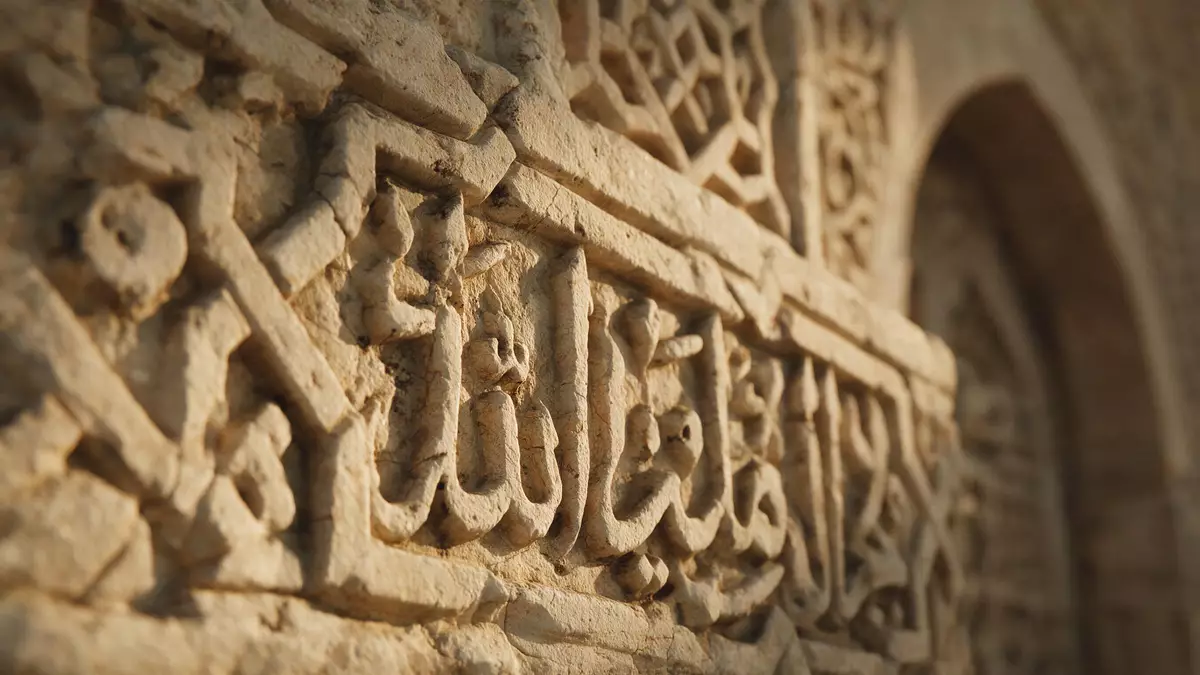
Museum of Islamic Art in Doha, a ring of stone and light
Published on 08/11/2026 at 15:02 | Editorial responsibility: Rafael Müller, Editor-in-Chief AD HOC NEWS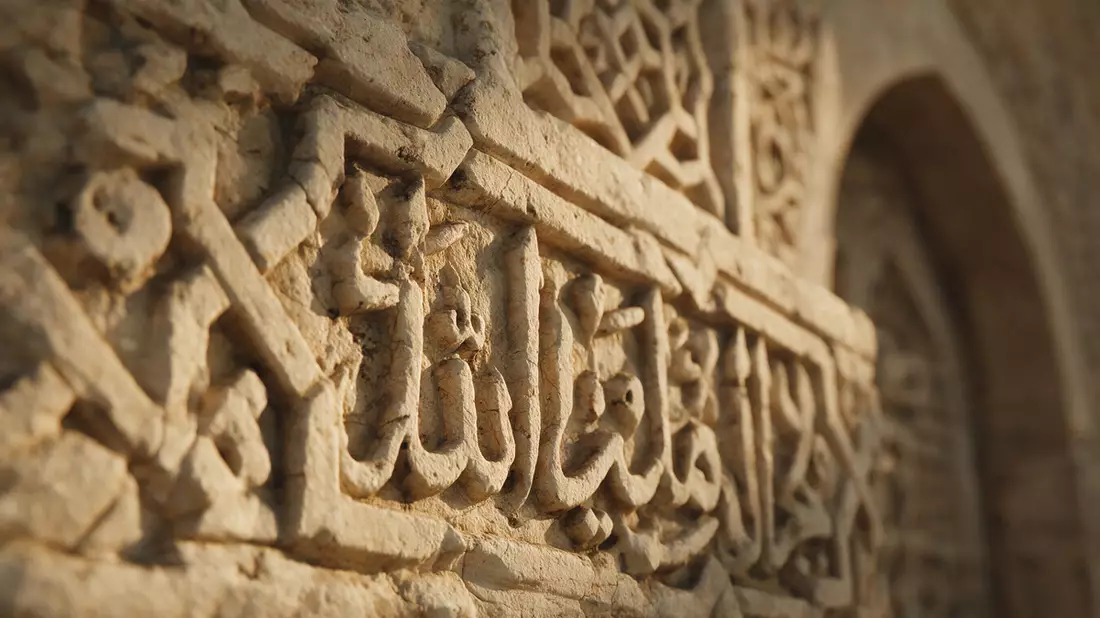
Museum of Islamic Art in Doha rises on a waterfront edge as a composition of pale stone blocks and sharp shadow. Designed by I. M. Pei and opened in 2008, it presents Islamic art through a building that is almost as memorable as the collection it holds.
A stone composition on the Doha waterfront
The exterior reads as stacked volumes, with clean edges and a strong, geometric outline. The building stands on an artificial island in Doha’s bay, separated from the Corniche by water and open foreground.
Its formal language is rooted in abstraction rather than ornament. That restraint suits a museum devoted to an artistic tradition that spans calligraphy, textiles, ceramics, metalwork, glass and wood.
I. M. Pei and the museum’s collected span
I. M. Pei, who was in his nineties when the museum opened, brought a late work to Doha with a highly controlled exterior and a calm interior sequence. The galleries present material from across the Islamic world, including objects from the early Islamic period through later dynastic courts.
The collection’s range is part of the building’s appeal. Visitors move from small vessels and decorative arts to larger works, and the museum’s setting near the water keeps the architecture visibly separate from the city around it.
Light, geometry and the interior route
Inside, the museum uses stone, voids and disciplined lines to frame the galleries. The effect is measured rather than grandiose, with circulation spaces that keep the focus on objects, surfaces and inscriptions.
The building’s central atrium and layered interior walls give the museum a clear sense of order. That order matches the collection, where work from different regions and periods sits within a single institutional frame.
Visiting Museum of Islamic Art: what travellers from Western Europe should know
- It is in Doha, on the waterfront near the Corniche, and is reached by road or taxi from the city centre.
- Admission arrangements and opening hours are set by the site's operator and change with the season; the official website is the only binding source.
- Late afternoon suits the building’s exterior, while indoor galleries work well at any point in the day.
- The site involves normal museum walking, polished floors and some distance between gallery sections.
- English is widely used in Doha, and card payment is common in city venues.
- Entry requirements depend on your nationality. UK travellers should check the FCDO travel advice at gov.uk/foreign-travel-advice; Irish travellers the Department of Foreign Affairs at ireland.ie; EU and EEA citizens their own national foreign ministry.
Searching for Museum of Islamic Art on social platforms
These links open searches for Museum of Islamic Art on each platform.
Frequently asked questions about Museum of Islamic Art
Where is Museum of Islamic Art?
It stands in Doha on the edge of the bay, close to the Corniche. The museum sits apart from the dense street pattern of the city.
What should visitors expect inside?
Expect galleries of Islamic art, a controlled interior sequence and a collection that moves through several media and historical periods. The emphasis is on objects, surfaces and inscriptions rather than spectacle.
What makes the building distinctive?
The museum is distinctive for its austere stone massing and I. M. Pei’s geometric approach. The waterfront setting makes that form easy to read from a distance.