NPS launches Canyonlands National Park sheep study on 4 November
Published on 11/14/2026 at 10:12 | Editorial responsibility: Rafael Müller, Editor-in-Chief AD HOC NEWSResearch and visitor guidance
- The National Park Service announced the multi-agency study on 4 November 2026.
- Helicopter surveys and sheep capture operations are expected from early November through December.
- Moab is the address for the park headquarters, while four districts shape the wider park.
Canyonlands National Park and its desert bighorn sheep conservation study were placed in the news on 4 November 2026, when federal and state agencies announced fieldwork across the park and neighbouring public lands. The park lies near Moab in Utah and is part of a regional project examining sheep disease, population and habitat.
Sheep conservation study begins at Canyonlands
The National Park Service launched the study with the Bureau of Land Management, the Utah Division of Wildlife Resources and Utah State University. The project covers Canyonlands, Arches and Capitol Reef national parks, together with surrounding lands, and is designed to collect updated information about desert bighorn sheep.
The 4 November study announcement says helicopter surveys and capture-and-release operations are expected from early November through December. Visitors may see or hear helicopters in areas occupied by sheep, while crews work with wildlife under the multi-agency programme.
The National Park Service says the project will gather GPS-based monitoring data and information about health, abundance, distribution and movement. Researchers will use the findings to improve decisions about sensitive habitat, proposed projects, disease risks and wider environmental pressures.
How the research relates to the desert park
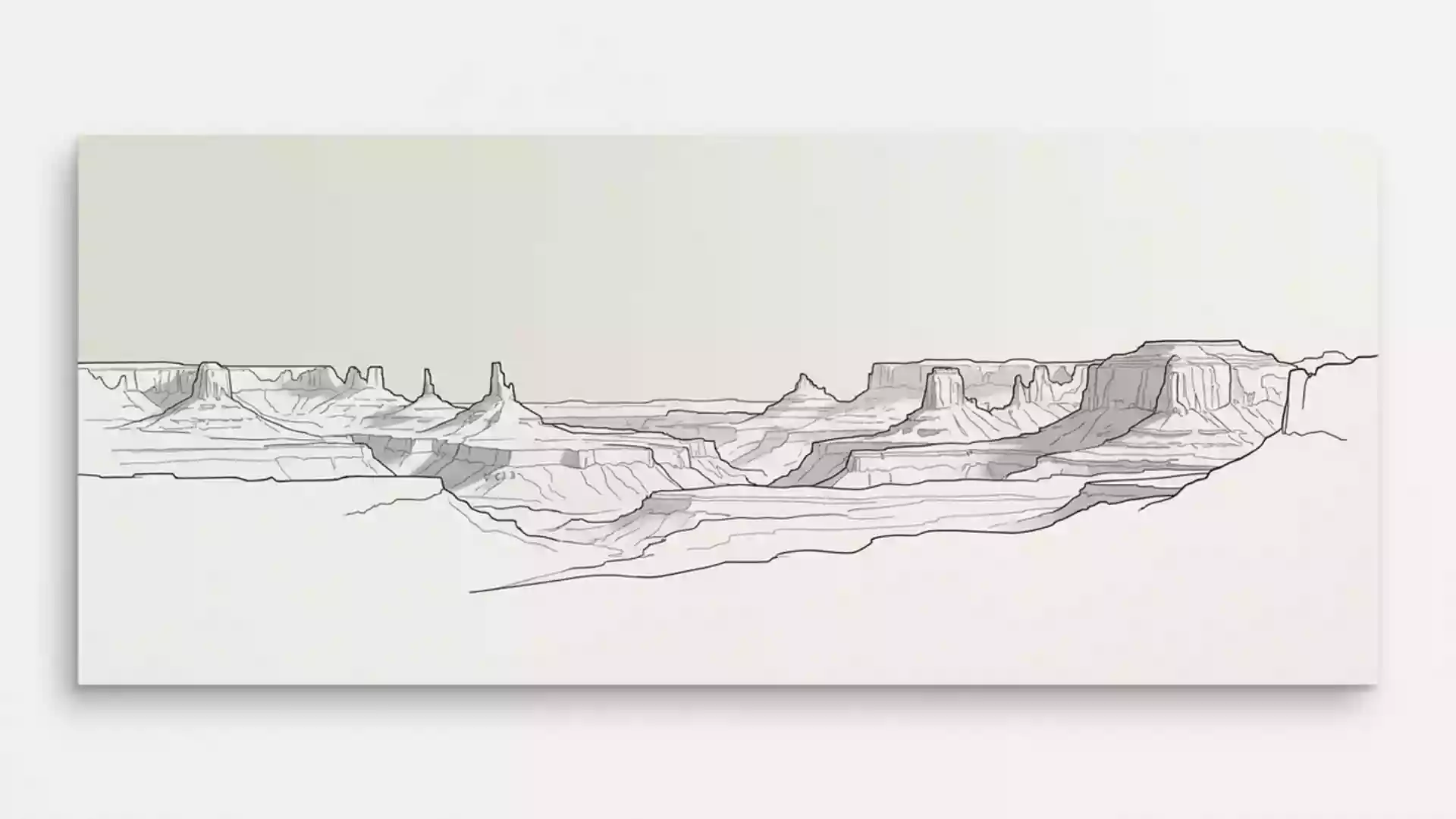
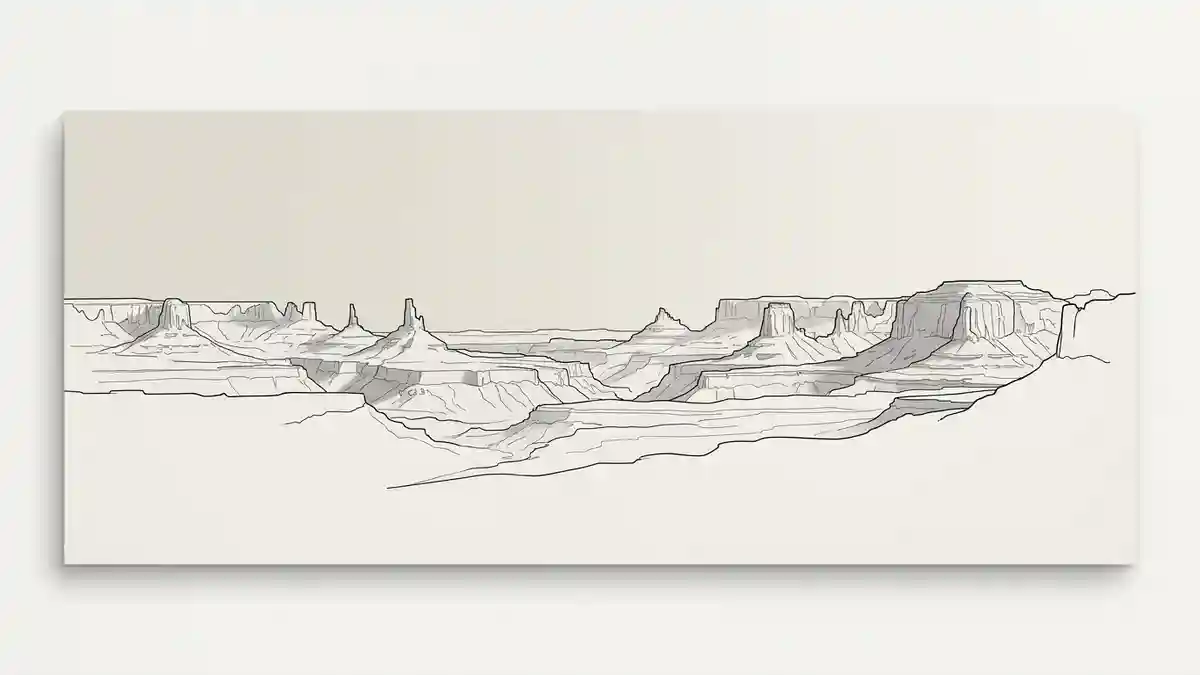
Canyonlands is a wilderness of canyons, buttes and spires carved by the Colorado River and Green River. The National Park Service describes the park as four distinct districts: Island in the Sky, The Needles, The Maze and the Horseshoe Canyon unit.
Those districts are not joined by roads, and they offer different ways to encounter the landscape. The park includes hiking trails, backcountry areas, mountain-bike routes, horseback opportunities and four-wheel-drive terrain. The research therefore concerns a broad setting rather than one single viewpoint or visitor facility.
The study also reflects the movement of wildlife across administrative boundaries. The agencies are coordinating their work because sheep use habitat that extends beyond one park or land manager. That landscape-scale approach links the November announcement to the park's wider geography and to management decisions that may affect sensitive areas in future.
Moab reporting on the fieldwork notes that the announcement does not identify specific flight locations, closed trails or closed roads. Visitors should therefore rely on instructions issued at the park rather than assume that every district will be affected in the same way.
Research activity may change the visit
The National Park Service says the data may support seasonal area closures around sensitive habitats such as lambing grounds. That is a possible management outcome from the study, not a closure announced for the November to December field period.
For travellers, the immediate change is awareness of active wildlife operations. A helicopter sighting may be connected with the research, and field crews may be working near sheep habitat. The official guidance is to keep a safe distance from wildlife, helicopters and crews and to follow any restriction or direction from park staff.
Visiting Canyonlands National Park: what travellers from Western Europe should know
- The conservation study was announced on 4 November 2026, and helicopter surveys and capture-and-release operations are expected from early November through December at areas used by desert bighorn sheep.
- No specific trail, road or district closure is named in the study announcement. Visitors who encounter field operations should keep clear of wildlife, helicopters and crews and follow directions from park staff.
- The park is near Moab, Utah, and its four districts are Island in the Sky, The Needles, The Maze and the Horseshoe Canyon unit. No roads join the districts.
- The terrain includes canyons, buttes and spires, with hiking, backcountry travel, mountain biking, horseback riding and four-wheel-drive routes. Conditions and access differ between districts.
- Entry requirements depend on your nationality; UK travellers can check the FCDO travel advice at gov.uk/foreign-travel-advice, Irish travellers the Department of Foreign Affairs at ireland.ie.
Searching for Canyonlands National Park on social platforms
These links open searches for Canyonlands National Park on each platform.
Frequently asked questions about Canyonlands National Park
When does the conservation study take place at Canyonlands National Park?
The National Park Service announced it on 4 November 2026, with helicopter surveys and capture-and-release operations expected from early November through December.
What is the study examining at Canyonlands National Park?
It examines desert bighorn sheep disease, population and habitat across three Utah national parks and surrounding lands, using updated GPS-based monitoring data.
Where is Canyonlands National Park and how do you get there?
The park is near Moab in Utah. Its four districts are not connected by roads, so the appropriate route depends on the district being visited.