
Pao de Acucar rises from Guanabara Bay
Published on 09/23/2026 at 08:33 | Editorial responsibility: Rafael Müller, Editor-in-Chief AD HOC NEWS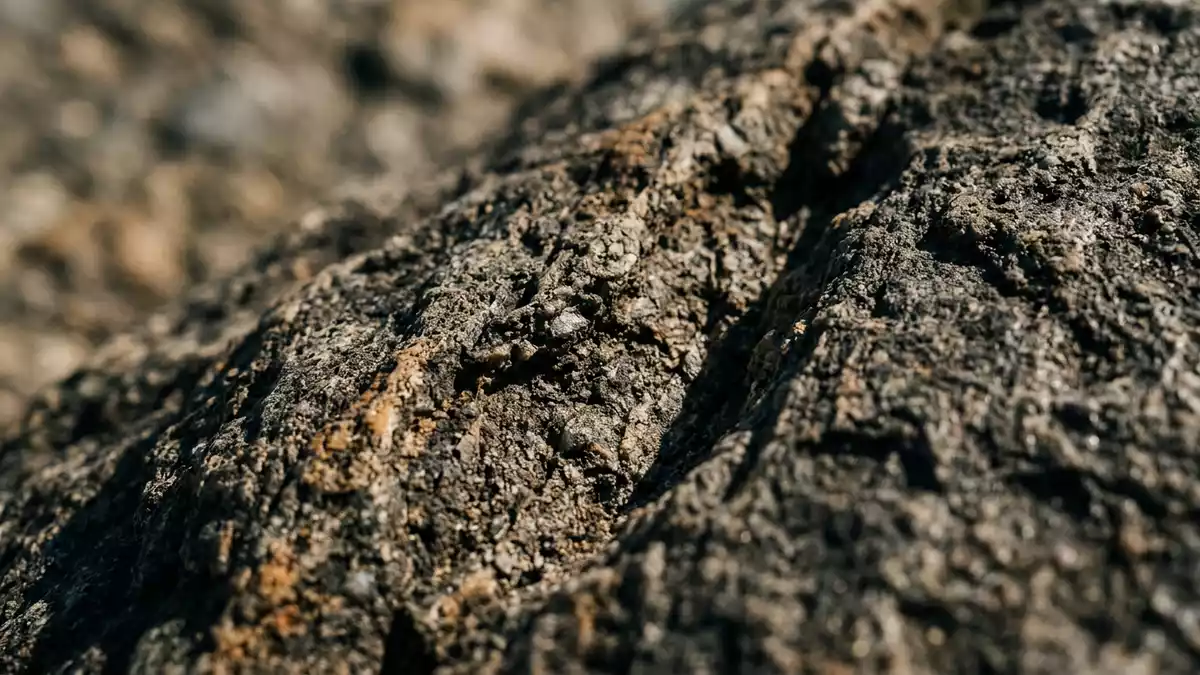
Pao de Acucar is a granite and gneiss monolith rising above the entrance to Guanabara Bay in Rio de Janeiro, Brazil. Its summit reaches 396 m (1,299 ft), while the cableway connects the waterfront with Morro da Urca and the upper peak.
Granite above Guanabara Bay
The mountain rises directly from the harbour landscape, with steep rock faces and a rounded summit profile. Geological descriptions place Pao de Acucar among Rio’s bornhardts, isolated masses of resistant rock shaped by erosion.
The rock is identified as gneiss, with granite and quartz-rich material forming part of the ancient geological landscape around Rio de Janeiro. 396 m gneiss monolith stands at the bay entrance, beside Morro da Urca and the hills of Urca.
From harbour landmark to cableway
Pao de Acucar entered the history of Rio’s aerial transport through the engineer Augusto Ferreira Ramos. His cableway project opened in 1912, linking Praia Vermelha with Morro da Urca.
The second section reached Pao de Acucar in 1913. The cable car opened in 1912, and its route remains arranged in two stages: Praia Vermelha to Morro da Urca, then Morro da Urca to the summit.
The Bondinho route across three elevations
The lower station is at Praia Vermelha in Urca. The first ascent reaches Morro da Urca, which rises to about 220 m (722 ft), before the second cableway continues towards the 396 m summit.
The two sections have distinct lengths. The first covers 528 m, while the second extends for roughly 735 m. The historic cableway sections retain the basic sequence of beach, intermediate hill and granite peak.
At the upper station, the built route meets exposed rock, planted areas and viewing spaces above the bay. The surrounding scene includes Guanabara Bay, Rio’s urban shoreline and the mountains forming the city’s southern landscape.
Visiting Pao de Acucar: what travellers from Western Europe should know
- Pao de Acucar stands in Urca, beside Guanabara Bay. The cableway begins at Praia Vermelha and travels through Morro da Urca.
- The route involves cable cars and elevated mountain stations. Exposed rock and changes in altitude define the upper landscape.
- The official language is Portuguese and the currency is the Brazilian real.
Searching for Pao de Acucar on social platforms
These links open searches for Pao de Acucar on each platform.
Frequently asked questions about Pao de Acucar
Where is Pao de Acucar?
Pao de Acucar is in Urca, Rio de Janeiro, at the entrance to Guanabara Bay in south-eastern Brazil.
What does a visit involve?
The visit includes a cableway journey from Praia Vermelha to Morro da Urca and onwards towards the summit, with exposed mountain terrain at the upper stations.
What makes Pao de Acucar distinctive?
Its distinctive character comes from the combination of a 396 m granite and gneiss peak, a harbour-side position and a cableway opened in 1912.


