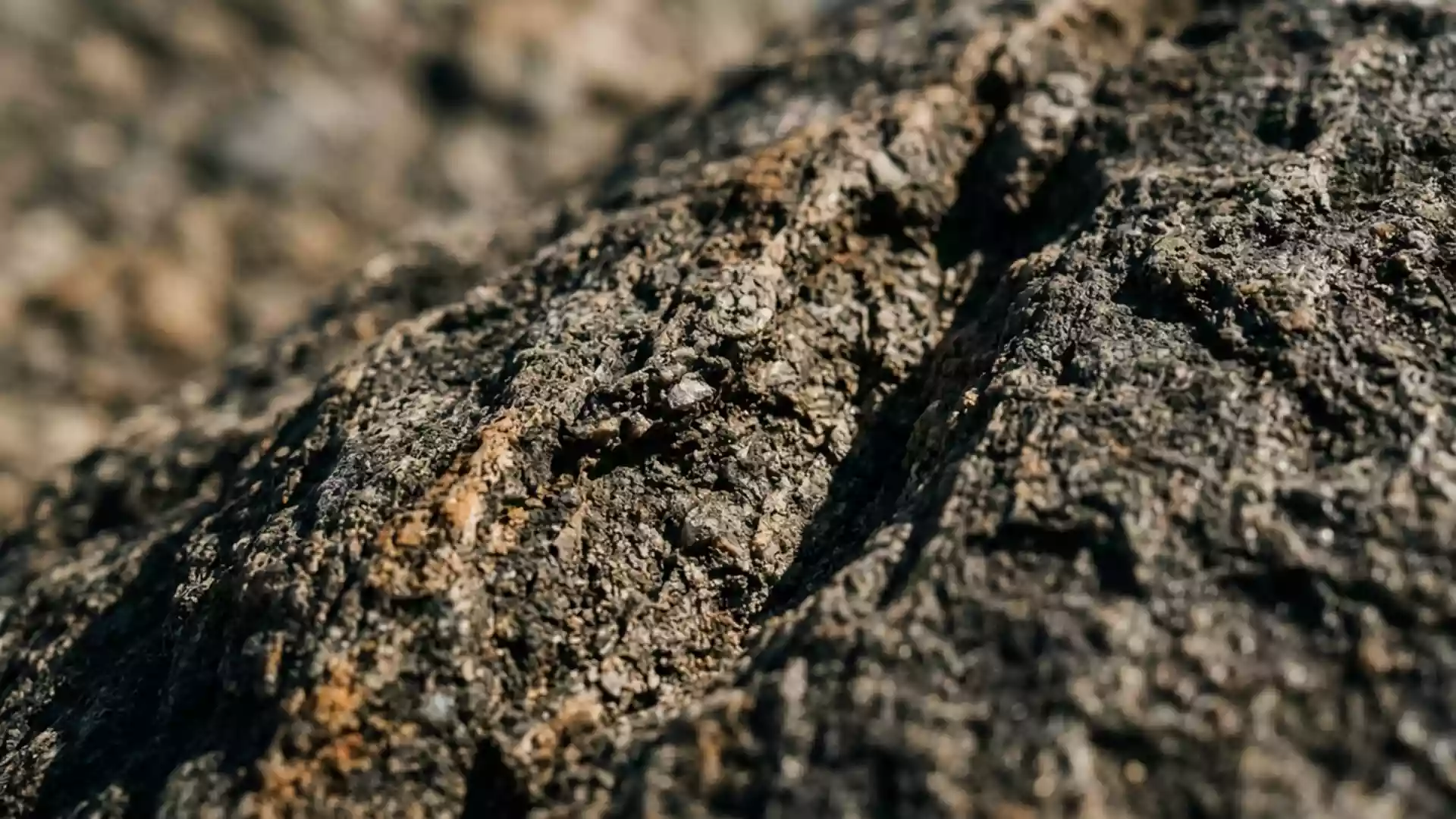
Pao de Acucar, the granite peak over Guanabara Bay
Published on 09/02/2026 at 13:56 | Editorial responsibility: Rafael Müller, Editor-in-Chief AD HOC NEWS
Pao de Acucar, known in English as Sugarloaf Mountain, rises from the edge of Guanabara Bay in Rio de Janeiro as a steep granite peak with a clear, compact profile. Its summit stands 396 m (1,299 ft) above sea level, and a cable car system dating from 1912 links the harbour edge to the upper terraces on the rock.
A granite monolith at the mouth of Guanabara Bay
The mountain stands on a peninsula at the entrance to Guanabara Bay, west of the main shipping channel into Rio de Janeiro. The granite and gneiss of Pao de Acucar form a near-vertical cone above the water, with faces that drop sharply towards the Atlantic and towards the inner bay.Pao de Acucar rises at the mouth of Guanabara Bay The elevation of 396 m makes the peak easy to distinguish from viewpoints across Rio’s harbour.
Pao de Acucar stands in the Urca district, close to the small Praia Vermelha beach and near the harbour installations that frame the bay entrance.The mountain rises in Urca, at the mouth of Guanabara Bay in Rio de Janeiro From the shoreline, the rock appears as a single mass, with the urban grid of Rio de Janeiro stopping at its base and the open waters of Guanabara Bay and the Atlantic stretching beyond.
Bondinho do Pao de Acucar and the twin summits
The summit of Pao de Acucar is reached by the Bondinho do Pao de Acucar cable car, which opened in 1912 as one of the earliest aerial tramways in South America.The Bondinho do Pao de Acucar cable car system opened in 1912 The line runs in two stages, with an intermediate station on Morro da Urca and a second span that reaches the higher peak of Pao de Acucar itself.
The lower section of the cable car leaves from a base area near Praia Vermelha and climbs to the terraces on Morro da Urca, which serves as a natural balcony over the bay.The peak of Sugarloaf connects to Morro da Urca via a 1,400 m cable car route From there, cabins continue across the gap to the higher rock, creating a visible line of moving cars against the granite and the sky.
Pao de Acucar in Rio de Janeiro’s landscape
The form of Pao de Acucar makes it a fixed reference point in Rio de Janeiro’s wider landscape, standing between the inner waters of Guanabara Bay and the open Atlantic shoreline. From the summit terraces, the view encompasses the curve of Copacabana and the built-up districts of the Zona Sul, the higher inland hills and the approaches to the city’s harbour.Sugarloaf Mountain is situated on a peninsula at the mouth of Guanabara Bay The harbour entrance and the lines of shipping and ferries sit almost directly below the granite walls.
Pao de Acucar forms part of a protected natural and cultural landscape that includes Morro da Urca and the surrounding slopes, recognised as a World Heritage site within the wider listing of Rio de Janeiro’s Carioca landscapes.Sugarloaf Mountain and Urca Hill are recognised as a natural monument and form part of Rio de Janeiro’s World Heritage landscape Seen from the city’s beaches and from boats on the bay, the mountain reads as part of a chain of granite peaks that frame Rio’s waterfront.
Visiting Pao de Acucar: what travellers from Western Europe should know
- Pao de Acucar stands in the Urca district of Rio de Janeiro on the Atlantic coast of Brazil, with access from the base area near Praia Vermelha by road and by the Bondinho do Pao de Acucar cable car.
- The terrain on and around the mountain consists of steep rock faces and constructed terraces, and reaching the higher levels involves movement between different platforms and levels.
- The official language is Portuguese and the currency is the Brazilian real.
- Entry requirements depend on your nationality; UK travellers can check the FCDO travel advice at gov.uk/foreign-travel-advice, Irish travellers the Department of Foreign Affairs at ireland.ie.
Searching for Pao de Acucar on social platforms
These links open searches for Pao de Acucar on each platform.
Frequently asked questions about Pao de Acucar
Where is Pao de Acucar located?
Pao de Acucar stands in the Urca district of Rio de Janeiro, Brazil, at the entrance to Guanabara Bay on the city’s Atlantic shoreline.
What should visitors expect on a visit?
Visitors encounter steep granite terrain, constructed terraces and views over Guanabara Bay, reached by the Bondinho do Pao de Acucar cable car in two stages.
What makes Pao de Acucar distinctive?
The combination of its 396 m granite summit, its position at the mouth of Guanabara Bay and the early twentieth-century cable car system gives Pao de Acucar a distinctive profile in Rio de Janeiro’s landscape.