
Preikestolen and the flat summit above Lysefjord
Published on 09/24/2026 at 02:10 | Editorial responsibility: Rafael Müller, Editor-in-Chief AD HOC NEWS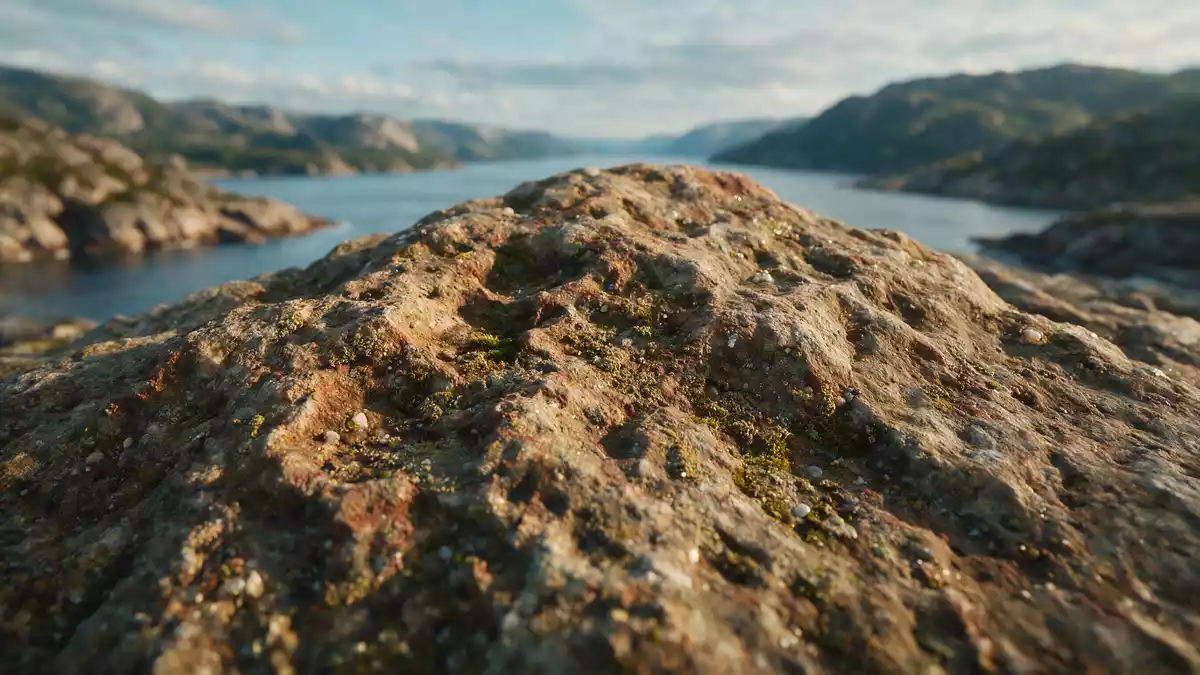
Preikestolen is a near-level rock platform above Lysefjord in Strand, western Norway. Its surface measures about 25 by 25 metres, while the cliff beneath it rises 604 m (1,982 ft) above the fjord. The contrast between a flat summit and a near-vertical wall defines the place.
Preikestolen: a level platform above Lysefjord
Preikestolen lies on the northern side of Lysefjord in Rogaland. From the water, the formation appears as a projecting block of pale rock, with a broad upper surface ending sharply above the fjord. The English name Pulpit Rock refers to this elevated, platform-like form.
The summit is almost level and compact, measuring approximately 25 by 25 metres. Its edge meets the open space above the water with little visual transition. Below, the cliff descends in a largely continuous wall for 604 m, placing the summit far above the fjord surface. the 604-metre cliff is a fixed geographic feature of the landscape.
Ancient bedrock and glacial fractures
Preikestolen forms part of Neverdalsfjellet, a mountain mass made of porphyritic granodiorite. This crystalline bedrock belongs to the ancient foundation of the region and dates from close to one billion years ago. Neverdalsfjellet granodiorite gives the plateau its hard, angular character.
Fracture lines remain visible across the upper rock. They are pressure-release fractures associated with the disappearance of the ice that occupied the fjord basin during the last glacial period. The formation dates from more than 10,000 years ago, when ice, water and exposed joints shaped the sharp relationship between summit and cliff.
From a fjord landmark to a named destination
The name Preikestolen entered the modern story of the place in 1896. Thomas Peter Randulff, a bank manager and outdoor enthusiast from Stavanger, saw the formation from the steamboat Oscar II while travelling along Lysefjord. Thomas Peter Randulff is associated with the first recorded ascent.
The route to the plateau developed from the inland side of the fjord. The approach begins near Preikestolen Fjellstue, also known as Preikestolen Mountain Lodge, and crosses forest, marshy ground, exposed rock and stone steps. The walking route connects a built trail with a geological feature that remains almost entirely bare at its summit.
From the plateau, Lysefjord extends between steep mountain sides, while the rock itself occupies the foreground. The view is therefore organised by two solid forms: the broad, level granodiorite surface underfoot and the deep, narrow waterway below. the route from Preikestolen Fjellstue reaches this high platform on foot.
Visiting Preikestolen: what travellers from Western Europe should know
- Preikestolen stands on the northern side of Lysefjord in Strand, Rogaland. The approach begins at Preikestolen Fjellstue, reached by road from Stavanger via Jørpeland and the Rv 13.
- The walking route covers forest, marshy ground, exposed rock and stone steps. The trail rises from the lodge area to a plateau 604 m above Lysefjord.
- The official language is Norwegian and the currency is the Norwegian krone.
- Lysefjord lies directly below the cliff, while the mountain mass of Neverdalsfjellet continues behind the plateau.
Searching for Preikestolen on social platforms
These links open searches for Preikestolen on each platform.
Frequently asked questions about Preikestolen
Where is Preikestolen?
Preikestolen is on the northern side of Lysefjord in Strand municipality, Rogaland, western Norway. The nearest named trail base is Preikestolen Fjellstue.
What does a visit involve?
A visit involves a walk across forest, marshy ground, exposed rock and stone steps. The route ends on an almost level summit 604 m above the fjord.
What makes Preikestolen distinctive?
The formation combines a compact, near-level platform with a sheer cliff above Lysefjord. Its porphyritic granodiorite and visible fracture lines connect the landscape with an ancient geological history.


