
Queen Elizabeth National Park and the meeting of lakes, grassland and craters
Published on 09/22/2026 at 10:10 | Editorial responsibility: Rafael Müller, Editor-in-Chief AD HOC NEWS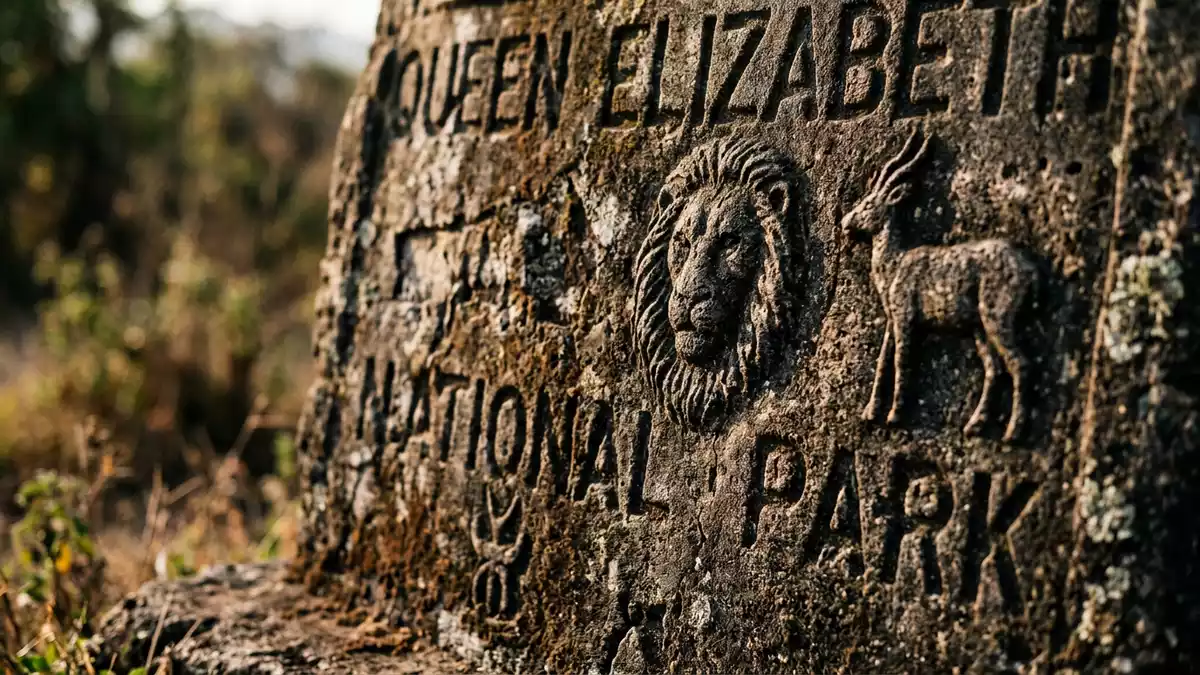
Queen Elizabeth National Park spreads across western Uganda between Lake George and Lake Edward. Savanna, wetlands, forest and volcanic craters share the landscape, while the Kazinga Channel links the two lakes through the park.
A park shaped by water and volcanic landforms
The protected area lies in the Western Rift Valley, east of Lake Edward and south of the Ruwenzori Mountains. Its terrain includes rolling plains, open grassland, acacia woodland, tropical forest, wetlands, lakeshores and volcanic craters.
The park covers 1,978 square kilometres. The surrounding reserve extends across altitudes from 910 to 1,390 metres, and the equator crosses the wider protected landscape. Queen Elizabeth Biosphere Reserve includes grassy plains, savanna woodland, forest, wetlands, rivers, swamps, lakes and crater formations.
From Kazinga National Park to Queen Elizabeth
The park was established in 1952 as Kazinga National Park. It was renamed Queen Elizabeth National Park in 1954 after a visit by Queen Elizabeth II.
The royal name belongs to the park’s post-war history, while its older name remains attached to the channel connecting the lakes. The park’s 1952 foundation places it among Uganda’s early national parks.
Wildlife between forest, plain and shore
Queen Elizabeth National Park contains habitat for elephants, African buffaloes, lions, leopards, hippopotamuses and several antelope species. Ugandan kob, topi, waterbuck and warthog occur among the open grasslands and woodland.
Chimpanzees are associated with forested areas, including Kyambura Gorge. The birdlife includes kingfishers and many other wetland, woodland and grassland species. The park’s wildlife is inseparable from its variety of habitats, from lake margins to crater country.
Visiting Queen Elizabeth National Park: what travellers from Western Europe should know
- Queen Elizabeth National Park lies near Kasese in western Uganda, between Lake George and Lake Edward. Road access connects the park with Kasese and other western Ugandan destinations.
- The landscape combines open savanna with wetlands, forest and volcanic craters. Walking routes and wildlife areas therefore involve grassland, lakeshore terrain, woodland and uneven volcanic ground.
- The official language is English and the currency is the Ugandan shilling.
- Entry requirements depend on your nationality; UK travellers can check the FCDO travel advice at gov.uk/foreign-travel-advice, Irish travellers the Department of Foreign Affairs at ireland.ie.
Searching for Queen Elizabeth National Park on social platforms
These links open searches for Queen Elizabeth National Park on each platform.Frequently asked questions about Queen Elizabeth National Park
Where is Queen Elizabeth National Park?
Queen Elizabeth National Park is in western Uganda, near Kasese. It lies between Lake George and Lake Edward, south of the Ruwenzori Mountains.
What can travellers expect in the park?
The park contains savanna, wetlands, forest, lakeshores and volcanic craters. Wildlife includes elephants, buffaloes, lions, leopards, hippos, chimpanzees and many bird species.
What makes the park distinctive?
The Kazinga Channel connects Lake George and Lake Edward within the protected landscape. Its waters, grasslands, forests and crater country form a varied setting for wildlife.


