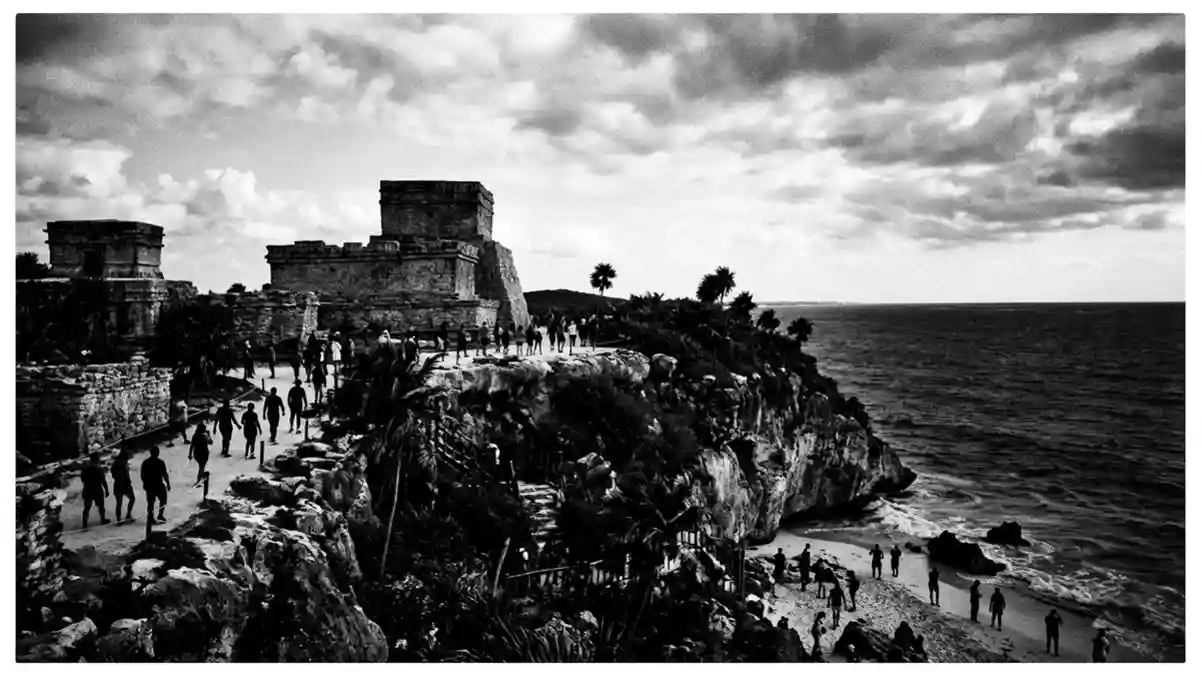
Quintana Roo deploys patrols at Tulum Archaeological Zone on 19 November
Published on 11/21/2026 at 13:42 | Editorial responsibility: Rafael Müller, Editor-in-Chief AD HOC NEWSSecurity measures and site context
- A 26-member deployment began at Tulum Archaeological Zone on 19 November 2026.
- Blindaje Parque del Jaguar includes patrols and checks on nearby tourist services.
- INAH places the visible buildings between 1250 and 1550, with an earlier stela dated to 564.
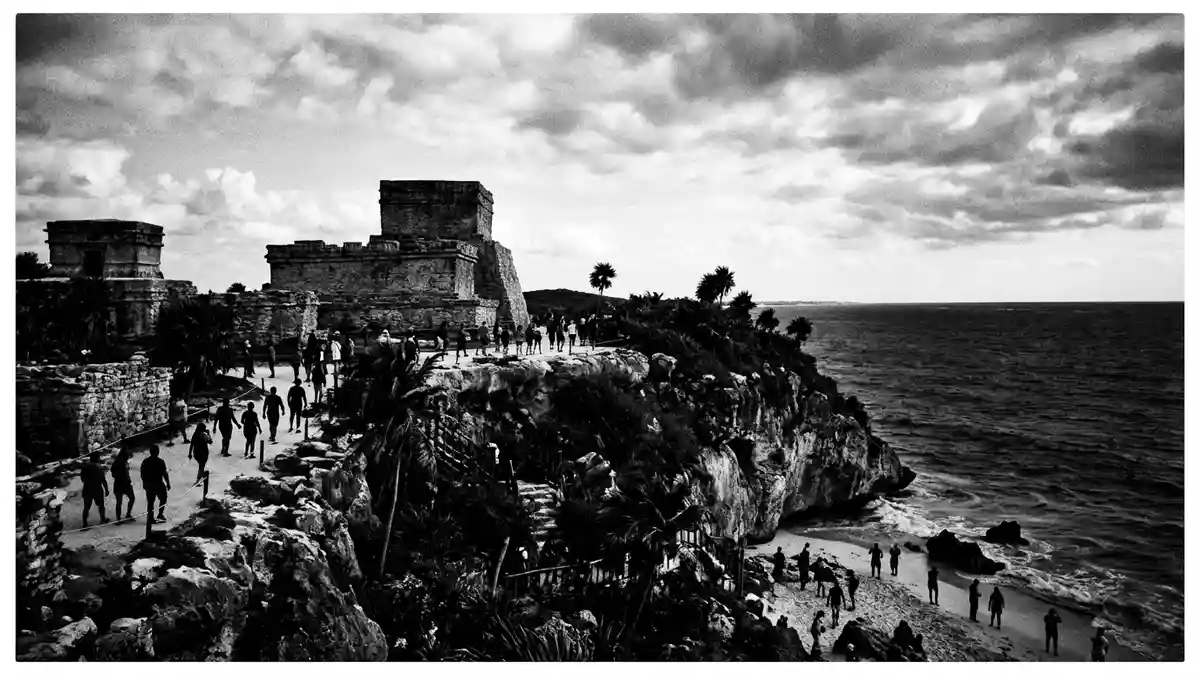
Quintana Roo authorities deployed security patrols at Tulum Archaeological Zone (Zona Arqueológica de Tulum) in Tulum, Mexico, on 19 November 2026. The operation, called Blindaje Parque del Jaguar, brings a current change to the visitor environment around one of the region's best-known archaeological sites.
Security patrols begin at Tulum Archaeological Zone
The deployment involves 26 personnel from federal, state and municipal security bodies. The operation covers the archaeological zone and Parque del Jaguar, the wider area around the ruins, with patrols intended to maintain order and provide assistance to visitors during the approaching high season. 19 November security deployment was announced by Julio César Gómez Torres, secretary of security for Quintana Roo.
The participating bodies include the Mexican Navy, the Mexican Army, the National Guard, the Quintana Roo state police and Tulum municipal police. The plan also covers the surroundings of the site, where authorities are checking tourist-service operators and nearby car parks for municipal permits. A regional report describes the operation as a response to the beginning of the high tourist season and says that officers will remain present at the site and its approaches.
The visitor-facing issue is therefore broader than police visibility inside the ruins. Authorities are also seeking to reduce misleading advertising connected with parking and tour packages, a practical concern for travellers arriving at the archaeological entrance. permit checks and misleading adverts form part of the same operation.
Why the patrols matter at this Maya coastal city
The security change applies to a walled Maya city on Mexico's Caribbean coast. The National Institute of Anthropology and History, or INAH, describes the surviving buildings as belonging mainly to the Middle and Late Postclassic periods, from 1250 to 1550. The site was one of the principal Maya cities of the thirteenth and fourteenth centuries, with a strategic position between the regions of Cochuah and Cozumel.
The archaeological setting helps explain why the new patrols combine visitor care with protection of cultural remains. Tulum's wall encloses the main settlement on its northern, southern and western sides, while the eastern side faces the Caribbean. El Castillo is the highest structure, and the Temple of the Frescoes retains evidence of the painted architectural tradition that distinguishes the site. An earlier anchor survives in Stela 1, which INAH dates to 564. INAH history of Tulum places the ruins within a longer sequence than the visible Postclassic buildings alone suggest.
For travellers, the link between the 19 November operation and the archaeology is direct: the patrols are being introduced where tourist movement, commercial services and protected structures meet. The announcement does not describe a closure or a changed route through the monuments, so the principal reported change is stronger surveillance and scrutiny around access points and services.
Visiting Tulum Archaeological Zone: what travellers from Western Europe should know
- The security operation began on 19 November 2026 at the archaeological zone and Parque del Jaguar, with 26 personnel deployed.
- Patrols and permit checks affect the site and nearby tourist services, while no closure or changed monument route was announced.
- The ruins lie beside the town of Tulum, south of Cancún, within Tulum National Park and off Federal Highway 307.
- The site is coastal and includes a walled settlement, exposed archaeological structures and areas overlooking the Caribbean.
- Spanish is the official language and the national currency is the Mexican peso.
- Entry requirements depend on your nationality; UK travellers can check the FCDO travel advice at gov.uk/foreign-travel-advice, Irish travellers the Department of Foreign Affairs at ireland.ie.
Searching for Tulum Archaeological Zone on social platforms
These links open searches for Tulum Archaeological Zone on each platform.
Frequently asked questions about Tulum Archaeological Zone
When did security patrols begin at Tulum Archaeological Zone?
The 26-member Blindaje Parque del Jaguar deployment began on 19 November 2026.
What has changed at Tulum Archaeological Zone?
Authorities have increased patrols and begun checking nearby tourist-service operators and car parks for municipal permits. No closure or changed route through the monuments was announced.
Where is Tulum Archaeological Zone and how do you get there?
The site is beside Tulum in Quintana Roo, south of Cancún and within Tulum National Park. It is reached from Federal Highway 307.