
Ranthambore National Park where forest meets a fort
Published on 09/22/2026 at 14:11 | Editorial responsibility: Rafael Müller, Editor-in-Chief AD HOC NEWS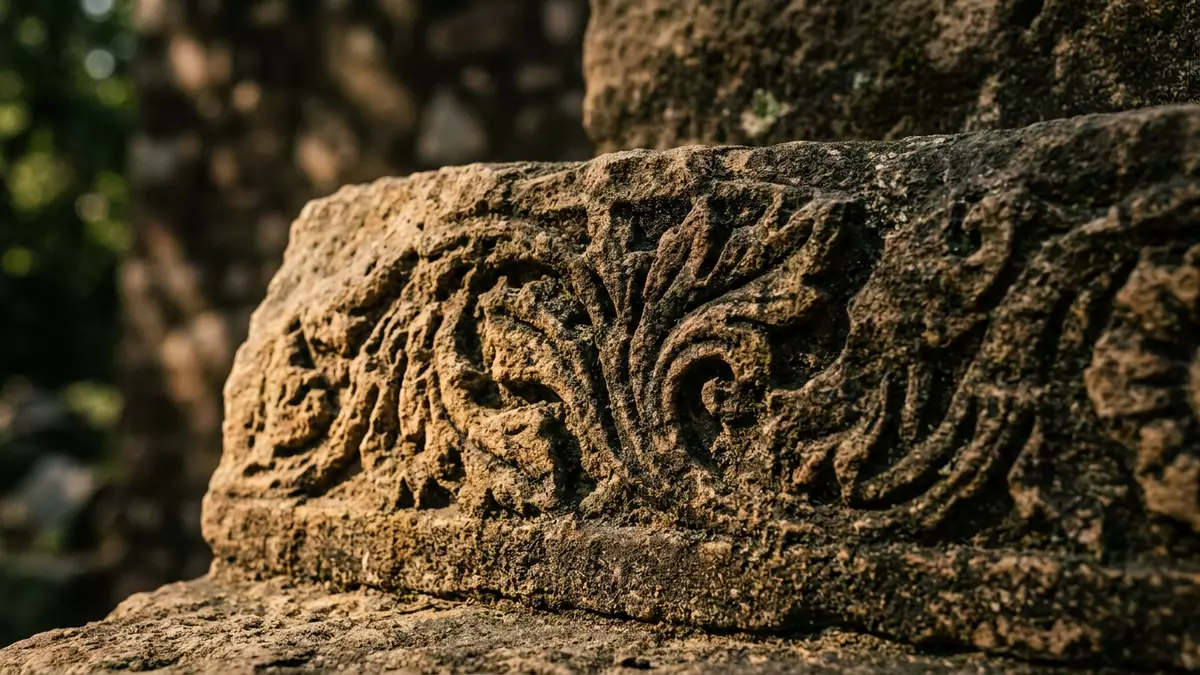
Ranthambore National Park places a protected forest beneath Ranthambore Fort, a medieval stronghold rising above the hills of Rajasthan. Dry woodland, rocky plateaux, lakes and ruins share the same landscape, creating a setting where wildlife and Rajput history remain visibly connected.
Ranthambore Fort above the forest
Ranthambore Fort occupies a hill within the park, with walls, gateways, temples and other remnants spread across the elevated ground. The fort’s foundations are traditionally dated to the tenth century, and its history is associated with the Chauhan dynasty, Rajput rulers, the Delhi Sultanate and the Mughal Empire.
The fort became part of the Hill Forts of Rajasthan UNESCO World Heritage property in 2013. Its stone architecture includes defensive walls, gateways, religious buildings and surviving structures associated with life inside the stronghold.
Dry forest, lakes and tiger habitat
Ranthambore National Park lies in the Sawai Madhopur district of Rajasthan, near the meeting point of the Aravalli and Vindhya hill systems. The terrain includes ridges, ravines, plateaux, seasonal streams, grassland and forest around lakes.
Dhauk trees and other dry-deciduous vegetation form much of the woodland. Open clearings and water edges occur among the rocky ground, while the park’s larger protected landscape connects the national park with neighbouring sanctuaries.
The Bengal tiger is the animal most closely associated with Ranthambore. Leopards, sloth bears, striped hyenas, sambar deer, chital, nilgai, crocodiles and many bird species also belong to the park’s fauna. The combination of forest, water and exposed rock creates varied habitats within a single protected area.
From sanctuary to national park
The protected landscape began as the Sawai Madhopur Game Sanctuary in 1955. Ranthambore entered India’s Project Tiger programme in 1973, and the central protected area became Ranthambore National Park in 1980.
The national park covers approximately 282 square kilometres. The wider Ranthambore Tiger Reserve includes additional protected forests, including the Sawai Man Singh and Kailadevi sanctuaries.
This history gives the park two clearly visible identities. The forest represents a twentieth-century conservation landscape, while the fort preserves layers of medieval political and religious history above it. Neither element is separate from the other in the view across the hills.
Visiting Ranthambore National Park: what travellers from Western Europe should know
- Ranthambore National Park lies near Sawai Madhopur in Rajasthan. Sawai Madhopur railway station is the principal rail gateway for the area.
- Safari routes cross dry forest, open grassland, rocky ground and ravines. Ranthambore Fort stands on elevated terrain and involves an uphill approach.
- The park is in northern India, where the official language is Hindi and the currency is the Indian rupee.
- Ranthambore Fort, the lakes and the forest occur within the same protected landscape, but they are distinct places with different historical and natural character.
- Entry requirements depend on your nationality; UK travellers can check the FCDO travel advice at gov.uk/foreign-travel-advice, Irish travellers the Department of Foreign Affairs at ireland.ie.
Searching for Ranthambore National Park on social platforms
These links open searches for Ranthambore National Park on each platform.
Frequently asked questions about Ranthambore National Park
Where is Ranthambore National Park?
Ranthambore National Park is in Rajasthan, India, near Sawai Madhopur. It lies within a landscape connected to the Aravalli and Vindhya hill systems.
What can visitors expect at the park?
The park contains dry forest, rocky hills, lakes, seasonal streams and wildlife habitat. Ranthambore Fort occupies elevated ground within the wider landscape.
What makes Ranthambore National Park distinctive?
The park combines Bengal tiger habitat with a medieval fort and ruins. Its conservation history reaches from the 1955 sanctuary to national park status in 1980.


