
Ras Mohammed National Park’s coral headland
Published on 08/17/2026 at 14:29 | Editorial responsibility: Rafael Müller, Editor-in-Chief AD HOC NEWS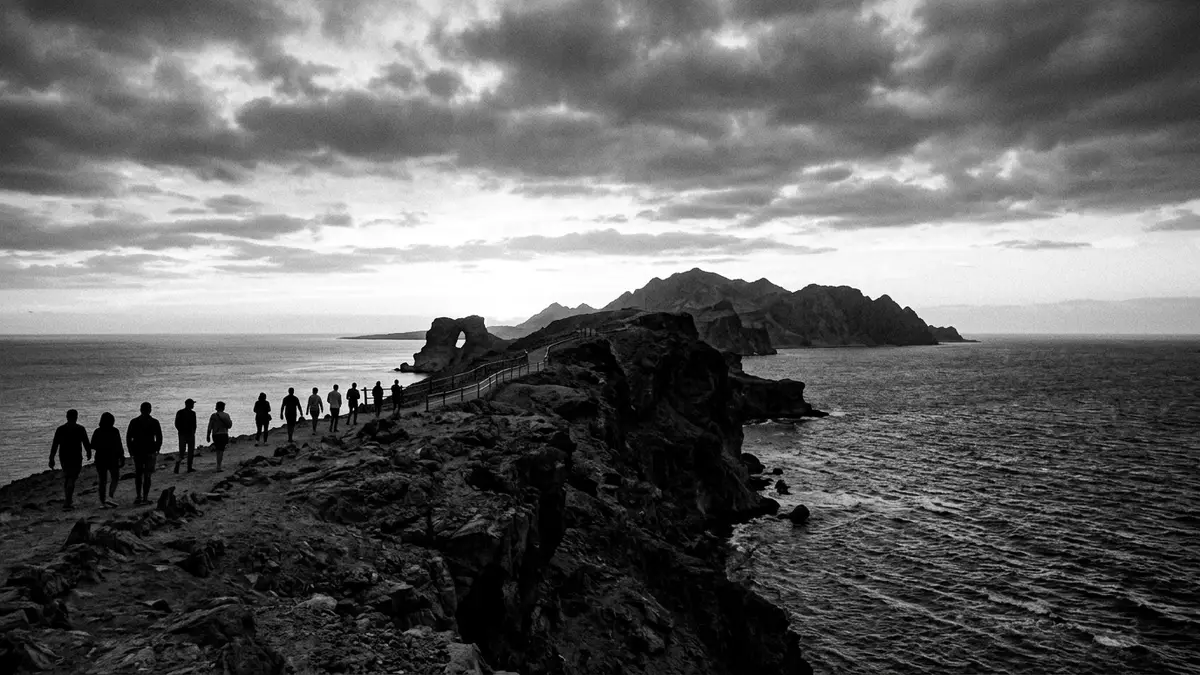
Ras Mohammed National Park lies at the southern tip of the Sinai Peninsula, where the Gulf of Suez meets the Gulf of Aqaba. The park, established in 1983, centres on a headland of uplifted coral and rock beside Scharm asch-Schaich.
A headland between two gulfs
The park’s landform is its strongest feature: a narrow point of land with steep coastal edges, sandy bays and exposed rock. Its setting places the Red Sea on one side and the two gulfs on either side of the peninsula’s tip.
That geography gives Ras Mohammed its sharp profile. The coast is made up of uplifted fossil coral, with desert terrain behind it and marine water all around the marginsuplifted coral.southernmost tip
Coral reefs and desert ground
Ras Mohammed is known for the contrast between its terrestrial edge and its marine zone. The park includes coral reefs, mangrove stands, salt marshes, inter-tidal flats, sand dunes and gravel plains, all within the same protected area.
Marine life is the park’s defining layer. More than 200 coral species have been recorded here, and the surrounding reef systems fringe much of the headlandcoral reef ecosystems.established in 1983
Protected landscape at Egypt’s southern edge
The place also carries the history of modern conservation in Egypt. Ras Mohammed was declared a national park in 1983, and it is linked with the country’s first protected-area framework for a marine reserve.
Its formal status matches its scale and setting. The park covers a broad coastal and marine zone at the meeting point of two gulfs, and the surrounding waters form part of its protected characterfirst National Park.480 sq km
Visiting Ras Mohammed National Park: what travellers from Western Europe should know
- The park lies south-west of Scharm asch-Schaich on Egypt’s Sinai Peninsula. It is reached by road from the resort area, and the main setting is a protected headland at the edge of the sea.
- The terrain includes exposed coral rock, uneven coastal ground and sections of desert surface. Walking routes therefore meet hard, dry ground rather than paved urban streets.
- The marine side includes reefs, sandy coves and clear drop-offs. Snorkelling and diving are the park’s most established ways of seeing the coastline.
- Mangroves appear at the southern end, adding a rare coastal habitat to the desert-and-reef mix. Salt marshes and inter-tidal flats complete the landward side of the park.
Searching for Ras Mohammed National Park on social platforms
These links open searches for Ras Mohammed National Park on each platform.
Frequently asked questions about Ras Mohammed National Park
Where is Ras Mohammed National Park?
It sits at the southern tip of Egypt’s Sinai Peninsula, beside Scharm asch-Schaich. The park overlooks the junction of the Gulf of Suez and the Gulf of Aqaba.
What does a visit involve?
The park combines coastal walking ground with reef scenery and desert terrain. Reef viewing, snorkelling and diving are central, while the land side is marked by rock, sand and mangrove habitat.
What makes it distinctive?
Its defining feature is the meeting of uplifted coral land, reef water and desert edge in one protected headland. The 1983 designation and the park’s position at Egypt’s southernmost peninsula tip give it clear historical and geographic identity.


