
Ras Mohammed National Park, where Sinai meets the sea
Published on 09/21/2026 at 09:10 | Editorial responsibility: Rafael Müller, Editor-in-Chief AD HOC NEWS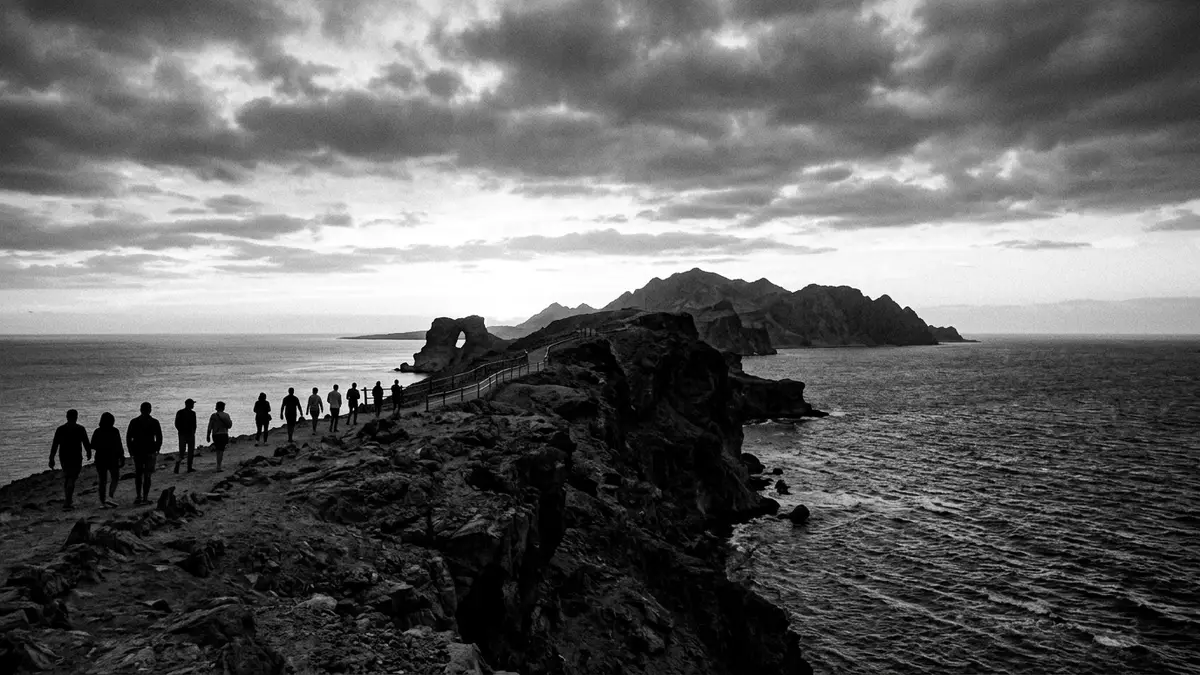
Ras Mohammed National Park at the southern tip of the Sinai Peninsula is where bare desert rock meets the deep blue of the Red Sea in a single protected landscape. Established in 1983 as Egypt’s first national park, it gathers cliffs of uplifted fossil coral, sandy bays and extensive reef systems into one coherent headland south of Scharm asch-Schaich.
A headland between two gulfs
Ras Mohammed forms a pronounced headland that projects into the northern Red Sea, with water on three sides and desert hinterland to the north. The park lies in the South Sinai Governorate and occupies the extreme southern point of the peninsula, overlooking the Gulf of Suez on one side and the Gulf of Aqaba on the other.southern extreme of the Sinai Peninsula The town of Sharm El Sheikh stands to the north along the coast, providing the main urban reference point for the park’s location.the town of Sharm-El-Sheikh is 12 km away
The protected area covers roughly 480 km² (185 sq mi) of land and sea, combining terrestrial desert and mountainous terrain with extensive marine zones.area of 185 square miles A large proportion of this area lies offshore, where reef slopes descend from shallow coastal shelves into the deep trough of the Gulf of Aqaba. On land, the park’s boundary takes in headland cliffs, coastal plains and low hills, placing a continuous strip of shoreline and adjacent waters under protection.
Desert geology and fossil coral terraces
The visible rock of Ras Mohammed records both desert processes and ancient seas. The headland is largely composed of uplifted fossil coral reefs that form terraces and cliffs above the water, with layers of coral limestone standing where reef structures once grew beneath the surface.uplifted coral terraces that form cliffs and shelves Inland, parts of the park lie within the southern sector of the El-Qaa plain, a secondary rift basin floored by sedimentary rocks of Miocene and post-Miocene age and bordered by mountains built of Precambrian granites.RMNP is located in the southern part of El–Qaa plain
Loose Quaternary deposits mantle parts of the plain, while along the coastline the fossil reef terraces break into bays and inlets with small sandy beaches at their foot.Quaternary alluvial aquifer The contrast between pale desert slopes and the intense colours of the sea is characteristic of the headland. From some viewpoints, visitors see continuous lines of cliffs dropping into water, with darker igneous mountains rising inland beyond the lighter reef limestones.
Reefs, mangroves and protected marine life
Ras Mohammed National Park was declared in 1983 to safeguard both terrestrial desert habitats and one of the most complex reef systems in the northern Red Sea.declared in 1983 The protected area encompasses fringing coral reefs along much of the coastline, mangrove stands in shallow channels, salt marshes, mudflats and coastal lagoons.mangrove stands, salt marshes and mud flats Offshore, large zones are designated as strictly no-take areas, placing reef slopes and associated waters under strong protection.
The junction of the two gulfs creates marked differences in depth between the western and eastern sides of the park. To the west the Gulf of Suez remains relatively shallow, while to the east the Gulf of Aqaba reaches depths of up to about 2,000 m (6,562 ft).deep waters of the Gulf of Aqaba This configuration contributes to strong gradients from nearshore reef flats into very deep water within a short horizontal distance, giving the park a range of marine habitats from sheltered bays to exposed drop-offs.
Experiencing Ras Mohammed as a visitor
Ras Mohammed National Park is reached by sea and by road from Scharm asch-Schaich, and has become a standard destination for Red Sea dive and snorkel excursions as well as land-based headland visits.visited for its world-class coral reefs Dive boats moor along the reef edge, giving access to steep walls and coral gardens, while vehicles approach from the north across desert terrain to reach cliff-top viewpoints and coastal bays.
Within the terrestrial portion of the park, tracks and paths run over compact desert ground and up low slopes to vantage points above the sea. Some areas feature mangrove-fringed channels and shallow lagoons, where the vegetation contrasts with the surrounding arid rock. Elsewhere, visitors encounter open coastal plains with scattered shrubs, fossil coral blocks and views towards the dark mountain ranges of southern Sinai.
Visiting Ras Mohammed National Park: what travellers from Western Europe should know
- Ras Mohammed National Park lies south of Scharm asch-Schaich at the southern tip of the Sinai Peninsula, and is reached either by Red Sea boat trips or by road from the resort area.
- On land the terrain consists of desert headlands, compact rocky ground and low slopes, with paths and tracks crossing open areas and leading to cliff-top viewpoints above the sea.
- The official language is Arabic and the currency is the Egyptian pound.
- Entry requirements depend on your nationality; UK travellers can check the FCDO travel advice at gov.uk/foreign-travel-advice, Irish travellers the Department of Foreign Affairs at ireland.ie.
Searching for Ras Mohammed National Park on social platforms
These links open searches for Ras Mohammed National Park on each platform.
Frequently asked questions about Ras Mohammed National Park
Where is Ras Mohammed National Park located?
Ras Mohammed National Park lies in Egypt’s South Sinai Governorate at the southern tip of the Sinai Peninsula, just south of Scharm asch-Schaich on the Red Sea.
What can visitors expect on a visit to Ras Mohammed?
Visitors encounter desert cliffs of fossil coral, coastal plains, mangrove-fringed channels and extensive fringing reefs, with access by sea and by road from nearby resort areas.
What makes Ras Mohammed National Park distinctive?
Ras Mohammed is distinctive for its position between the Gulf of Suez and Gulf of Aqaba, its uplifted fossil reef headland and its combination of protected desert and reef habitats.


