
Scalinata di Trinita dei Monti linking Rome’s piazza and hill
Published on 09/17/2026 at 16:36 | Editorial responsibility: Rafael Müller, Editor-in-Chief AD HOC NEWS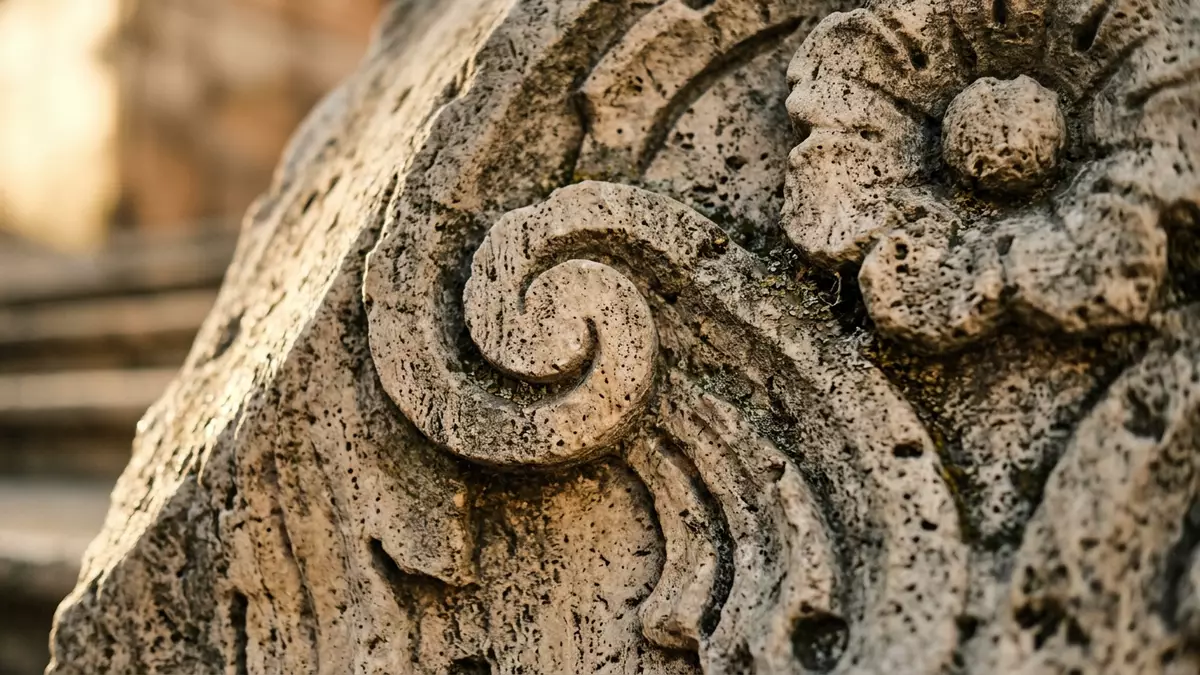
Scalinata di Trinita dei Monti, better known to English-speaking travellers as the Spanish Steps, is a grand outdoor staircase in Rom that stitches Piazza di Spagna to the hill crowned by the church of Trinita dei Monti. Built in the early eighteenth century, it turns a sharp change in level into a piece of stone architecture that reads like a stage set for urban life.
A baroque stairway between piazza and church
The Scalinata di Trinita dei Monti climbs the slope between Piazza di Spagna at its base and the square beside the church of Trinita dei Monti at its summit, on the edge of the Pincio hill above the historic centre of Rome.staircase in Rome’s Piazza di Spagna The stairway was constructed between 1723 and 1725 as a monumental link between the Spanish Embassy to the Holy See near the piazza and the French church above.Constructed 1723–1725 The project is associated with the Roman architect Francesco De Sanctis, working under Pope Innocent XIII, and belongs to the late baroque period.
The staircase is made of pale travertine, a limestone long used in Roman building, laid out across the hillside as a broad flight with landings and changes of direction.Edificata in travertino It rises roughly 29 m (95 ft) from the piazza to the level of the church, and is generally described as having 135 steps between the two squares.Height 29 m and 135 steps Standing at the base, visitors face this expanse of stone, with the twin bell towers of Trinita dei Monti framed above it.
Geometry, terraces and stone detail
Rather than one straight flight, the Scalinata di Trinita dei Monti breaks into a sequence of ramps and broad landings, which advance, divide and come together as they cross the hillside.raccordo scenografico tra le pendici del Pincio Sections run parallel to the façade of the church, then angle outwards, giving views back towards Via dei Condotti and across to the rooftops of the Campo Marzio district. The alternation of straight and gently curving stretches, together with the rhythm of the balustrades, produces a stair that looks both monumental and intricate.
The travertine is worked into broad steps, parapets and piers, with carved stone pylons marking the base along Piazza di Spagna; some of these carry symbols connected with the French monarchy and Pope Innocent XIII.cippi con i gigli di Francia e le aquile di Innocenzo XIII The terraces between ramps form small platforms where the staircase widens, creating pauses in the ascent and vantage points over the fountain and the streets below. From the upper landings, the obelisk in front of the church and the line of the Via Sistina become part of the composition.
Piazza di Spagna, Trinita dei Monti and the surrounding ensemble
At the foot of the Scalinata di Trinita dei Monti lies Piazza di Spagna, a roughly triangular space edged by palazzi and anchored by the Fontana della Barcaccia, a seventeenth-century fountain attributed to Pietro and Gian Lorenzo Bernini.The Spanish Steps The fountain sits low in the paving, and the first steps of the staircase rise directly behind it, so that water and stone occupy the same view. The relationship between the piazza, the fountain and the rising stair makes the base of the monument feel like an outdoor room framed by architecture.
At the top, the stair arrives at the square in front of the church of Trinita dei Monti, a late Renaissance façade with two bell towers and a central doorway, set beside an obelisk moved to the site in the late eighteenth century.chiesa della Santissima Trinità dei Monti From here, streets such as Via Sistina and Via Gregoriana continue into the higher parts of Rom, and the edge of the Pincio gardens is a short walk away. The staircase thus acts as a hinge between the tight urban fabric of the lower streets and the more open spaces on the hill.
Visiting Scalinata di Trinita dei Monti: what travellers from Western Europe should know
- Scalinata di Trinita dei Monti stands in central Rom, rising from Piazza di Spagna towards the church of Trinita dei Monti; Metro line A serves the nearby station Spagna.
- The monument is a long outdoor stairway of stone with many steps and landings; anyone climbing from piazza to church covers a noticeable height difference on foot.
- Piazza di Spagna at the base is largely level, with paving around the Fontana della Barcaccia and space to view the staircase without climbing.
- Rom is in Italy; the official language is Italian and the currency is the euro.
Searching for Scalinata di Trinita dei Monti on social platforms
These links open searches for Scalinata di Trinita dei Monti on each platform.
Frequently asked questions about Scalinata di Trinita dei Monti
Where is Scalinata di Trinita dei Monti in Rom?
Scalinata di Trinita dei Monti stands in central Rom, linking Piazza di Spagna with the square beside the church of Trinita dei Monti on the Pincio hill.
What should visitors expect when they come to the staircase?
Visitors find a wide travertine stairway with many steps and terraces, rising beside the Fontana della Barcaccia from a busy piazza to a hilltop church.
What makes Scalinata di Trinita dei Monti distinctive among Rome’s landmarks?
Its combination of baroque geometry, terraced platforms and the way it connects a low piazza with a high church in a single monumental stair makes it a distinctive Roman landmark.


