Sentosa’s ring of fortresses and beaches
Published on 08/11/2026 at 15:05 | Editorial responsibility: Rafael Müller, Editor-in-Chief AD HOC NEWS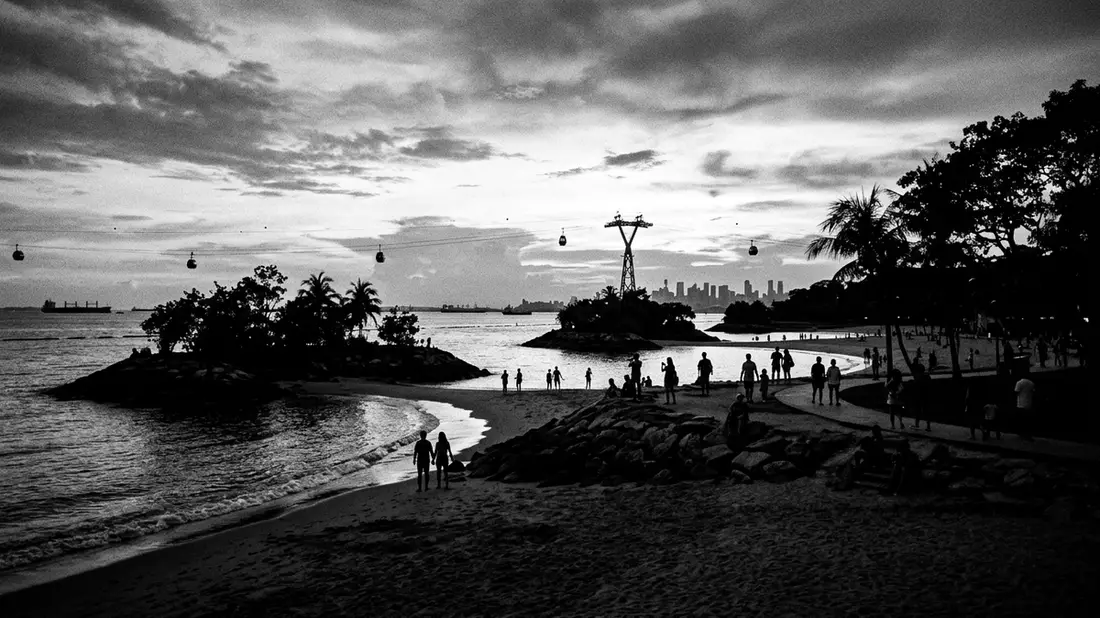
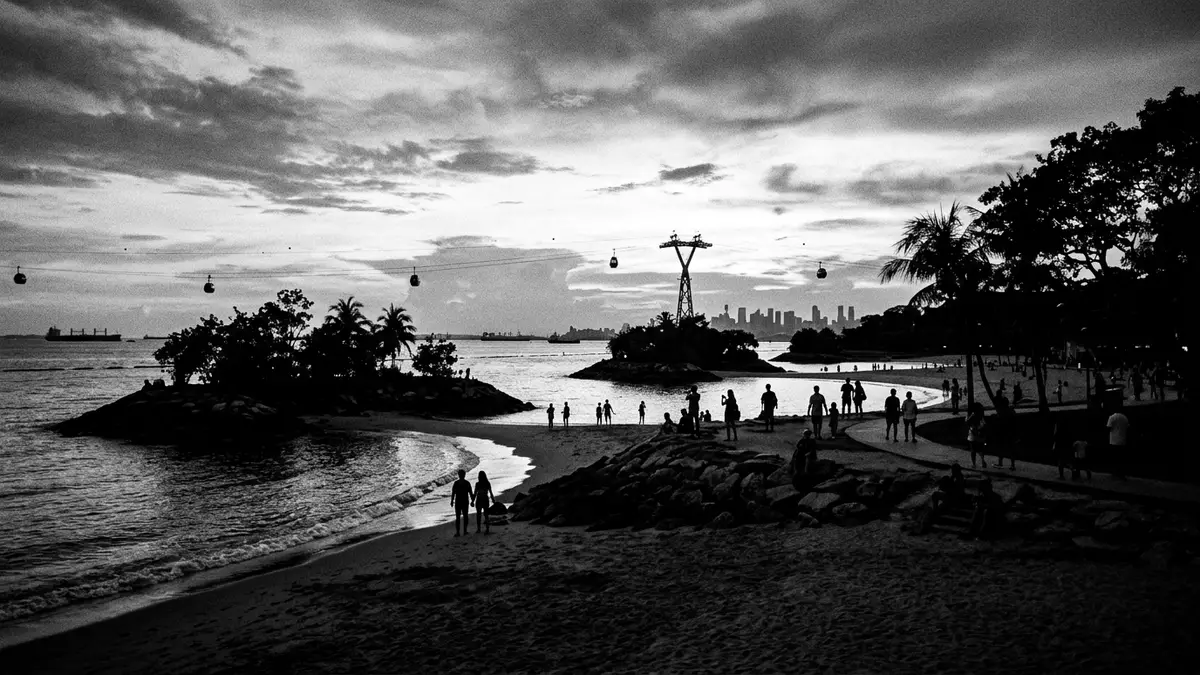
Sentosa is Singapur’s island of contrasts: former military ground, leisure shoreline and a compact stretch of colonial and modern structures. Fort Siloso, completed in 1880, gives the island its strongest historical anchor, while the beaches and resort buildings present a very different face.
Fort Siloso and the island’s military layer
Fort Siloso remains the most tangible reminder of Sentosa’s strategic past. It is a coastal fort from the British colonial period, with gun emplacements, underground passages and restored structures that show how the site was organised for defence.
The fort also frames the island’s larger history. Singapore’s harbour has long mattered as a port, and Sentosa’s western and north-western edges were part of that defensive world. The old military vocabulary is still visible in the concrete works, tunnels and preserved walls.
Beaches, resorts and waterfront edges
Beyond the fort, Sentosa opens into a leisure landscape of beaches, promenades and resort frontage. The island is not one single monument but a sequence of spaces, from the quieter military enclosure to open shorelines and hotel zones.
The visible contrast is part of its appeal. Sandy stretches sit beside landscaped paths and large visitor facilities, while the coastline keeps the water in constant view. That combination makes Sentosa feel more like a layered district than a single attraction.
A compact island with changing uses
Sentosa’s present identity rests on change of use. What was once tied closely to defence and harbour security is now associated with recreation, events and waterfront leisure, yet the older fabric has not vanished.
That overlap matters. A visitor can pass from colonial fortifications to beachside space in one walk, and the island’s history is easiest to read through those changes in material, function and setting.
Visiting Sentosa: what travellers from Western Europe should know
- The island lies off the southern coast of Singapur and is reached by road, cable car and rail connections from the city.
- Admission arrangements and opening hours are set by the site's operator and change with the season; the official website is the only binding source.
- The island works best in drier months and in the early part of the day, when the fort and shoreline are easier to combine in one visit.
- Expect some walking between sections of the island, along with steps, ramps and exposed outdoor stretches.
- English is widely used, and payment by card is normal in most visitor areas.
- Entry requirements depend on your nationality. UK travellers should check the FCDO travel advice at gov.uk/foreign-travel-advice; Irish travellers the Department of Foreign Affairs at ireland.ie; EU and EEA citizens their own national foreign ministry.
Searching for Sentosa on social platforms
These links open searches for Sentosa on each platform.
Frequently asked questions about Sentosa
Where is Sentosa?
Sentosa is an island off the southern edge of Singapur. It sits close enough to the city to read as part of the same urban landscape.
What should visitors expect?
Expect a mix of fortifications, beaches, resort frontage and walking routes. The island combines open air, restored military remains and leisure spaces in one compact setting.
What makes Sentosa distinctive?
Its mix of colonial military fabric and holiday scenery gives it a layered character. Fort Siloso and the shorelines belong to the same place, yet they tell very different stories.