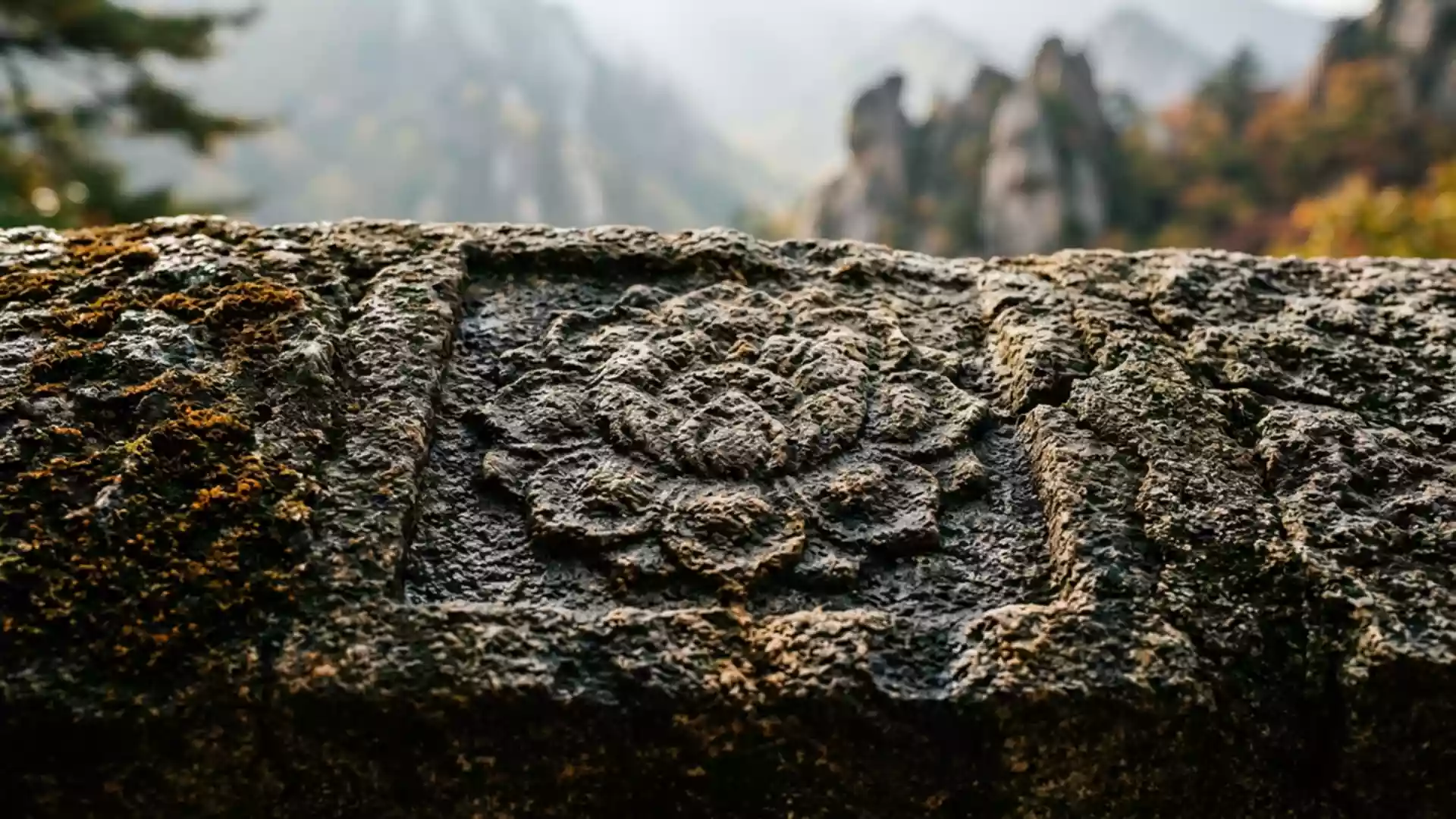
Seoraksan National Park restricts high trails on 15 November
Published on 11/14/2026 at 08:44 | Editorial responsibility: Rafael Müller, Editor-in-Chief AD HOC NEWSAccess changes across the park
- The Korea National Park Service restricts selected Seoraksan National Park trails from 15 November 2026.
- Lower routes including Ulsanbawi Rock and Biseondae remain open during the restriction period ending 15 December 2026.
- Seoraksan National Park became South Korea's fifth national park in 1970 and a UNESCO biosphere reserve in 1982.
- Sokcho provides the main eastern access to the national park through the Sogongwon trailhead.
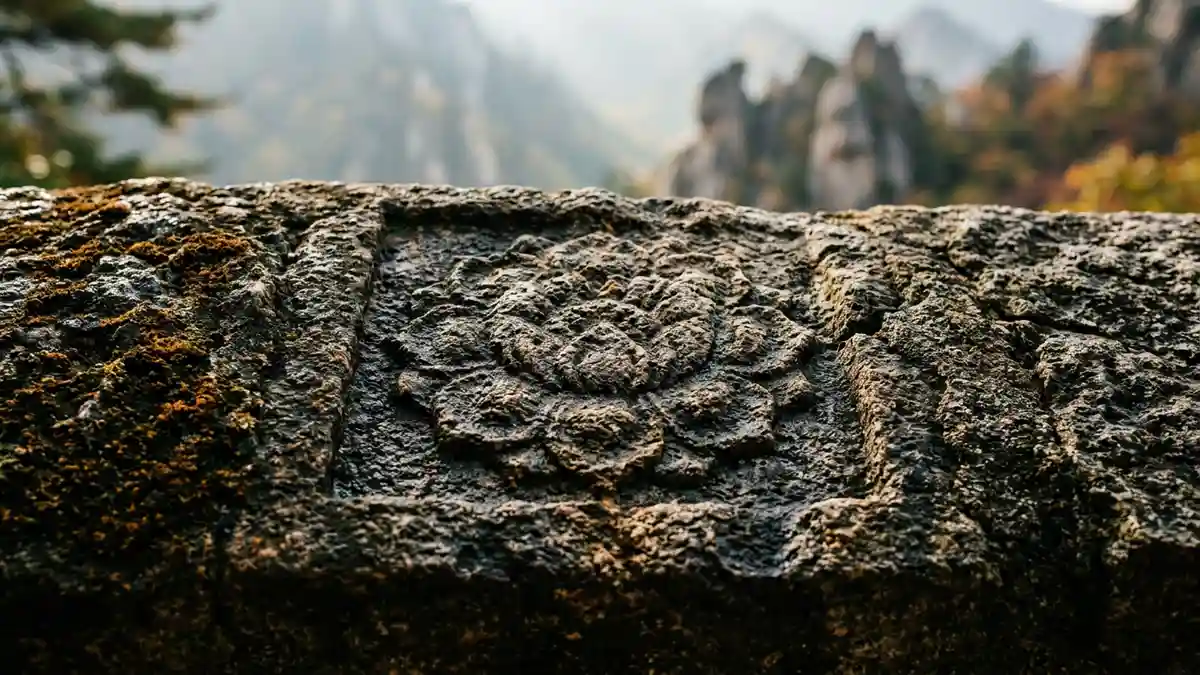
Seoraksan National Park will restrict high-altitude trails from 15 November 2026 as the Korea National Park Service introduces its autumn wildfire controls. The restriction affects summit routes near Sokcho, while several lower trails remain open for visitors to South Korea's mountain landscape.
Wildfire controls close high routes from 15 November
The Seoraksan National Park Office announced that selected routes will be restricted from 15 November until 15 December 2026 to reduce the risk of autumn wildfires. The affected paths lead towards Daecheongbong Peak from trail entrances including Osaek, Cheonbuldong and Hangyeryeong.
The measure covers routes in the park itself and does not amount to a complete closure. SBS reports the restriction dates and identifies the Seoraksan National Park Office as the authority behind the decision.
Lower trails remain available around Seoraksan
Visitors can still use the Sogongwon to Biseondae route, the path to Ulsanbawi Rock, and the route from Biryong Falls to the Towangseong Falls Observatory. Heullimgol and Jujeongol are also listed among the lower routes that remain open during the restriction period.
This distinction gives the closure a direct effect on trip planning: a visit centred on Daecheongbong cannot follow the usual high routes from 15 November, while a valley walk from the Sogongwon area remains possible. The park's eastern sector lies in and around Sokcho, linking the city with the most accessible lower trails.
A national park with protected status since 1970
Seoraksan National Park was designated South Korea's fifth national park in 1970. The official park profile also records its designation as a natural monument in 1965 and its recognition as a UNESCO biosphere reserve in 1982.
The protected area extends across Sokcho, Yangyang, Goseong and Inje. Its main peak, Daecheongbong, rises among a group of more than 30 high summits, so the November restriction concerns the mountainous core rather than a single isolated path. The national park profile lists its protected designations and administrative area.
Visiting Seoraksan National Park: what travellers from Western Europe should know
- The high-trail restriction runs from 15 November to 15 December 2026, including routes leading towards Daecheongbong Peak.
- Sogongwon to Biseondae, Ulsanbawi Rock, Biryong Falls and the Towangseong Falls Observatory remain available during the restriction, subject to any later park control.
- From Seoul, express and intercity buses serve Sokcho, while city buses 7 and 7-1 continue towards Sogongwon, the trailhead for several open routes.
- South Korea's official language is Korean and its national currency is the South Korean won.
- Entry requirements depend on your nationality; UK travellers can check the FCDO travel advice at gov.uk/foreign-travel-advice, Irish travellers the Department of Foreign Affairs at ireland.ie.
Route conditions should be checked before setting out, especially when the planned walk approaches a restricted high trail.
Searching for Seoraksan National Park on social platforms
These links open searches for Seoraksan National Park on each platform.
Frequently asked questions about Seoraksan National Park
When do the Seoraksan trail restrictions take place?
Selected high-altitude trails are restricted from 15 November to 15 December 2026 to prevent autumn wildfires.
Which routes remain open at Seoraksan National Park?
Lower routes including Sogongwon to Biseondae, Ulsanbawi Rock, Biryong Falls, Heullimgol and Jujeongol remain open during the restriction period.
Where is Seoraksan National Park and how do you get there?
The park extends into Sokcho and neighbouring areas in Gangwon Province. Buses from Seoul serve Sokcho, and local buses 7 and 7-1 continue to Sogongwon.