
Simien Mountains National Park: Ethiopia’s highland amphitheatre
Published on 09/18/2026 at 10:59 | Editorial responsibility: Rafael Müller, Editor-in-Chief AD HOC NEWS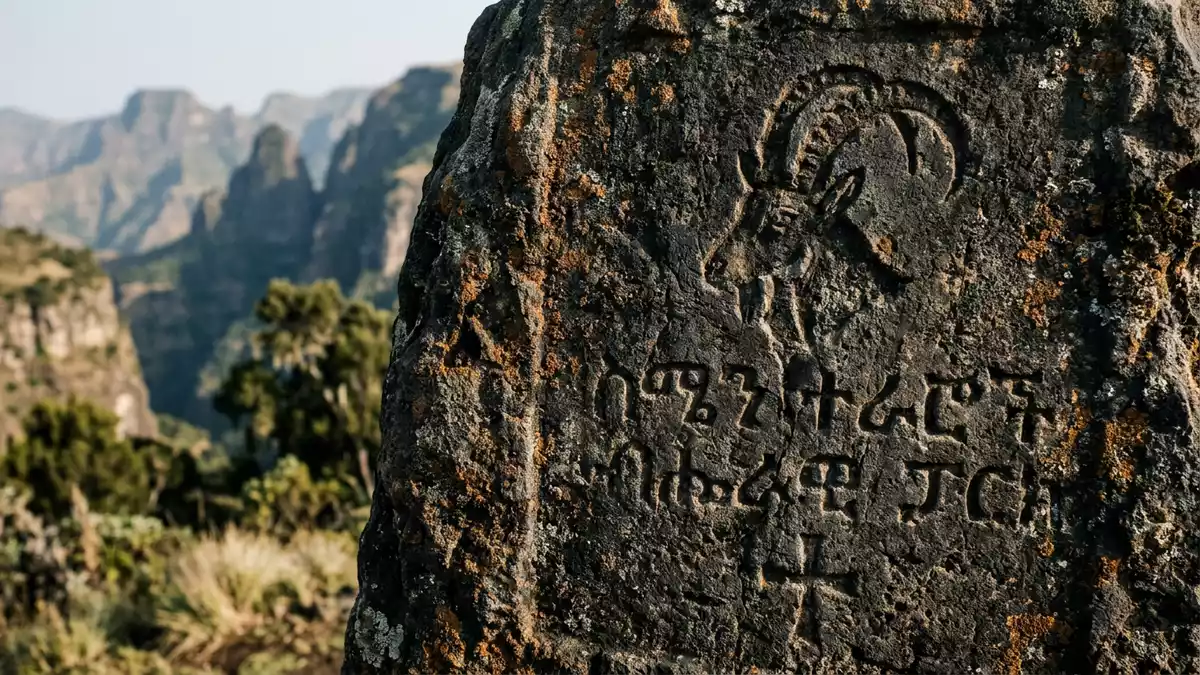
Simien Mountains National Park rises above the town of Debark in northern Ethiopia as a vast highland amphitheatre of cliffs, plateaux and deep valleys carved from the Ethiopian Highlands. The park forms part of the Simien mountain massif in the Amhara Region and includes Ras Dashen, the highest peak in Ethiopia, giving the area a clear sense of elevation and exposure that shapes every view across its escarpments.Simien Mountains National Park
Highland escarpments and carved plateaux
The defining impression of Simien Mountains National Park is the way the Ethiopian plateau breaks up into jagged ridges and sheer drops. Massive erosion of the highland block has cut deep valleys and precipices, leaving cliffs that fall around 1,500 m (4,921 ft) from the escarpment edge to the lower slopes, a contrast that is visible along many viewpoints on the main ridge.spectacular landscape
The park’s high ground runs through a series of broad plateaux ringed by rocky pinnacles and buttresses, separated by incision lines where rivers have cut their way down towards the Tekeze basin. Visitors encounter steep-sided amphitheatres, knife-edge ridges and freestanding towers of rock that mark the transition between the upper Afroalpine zone and the lower montane slopes.jagged mountain peaks and deep valleys
Afroalpine ecology and endemic wildlife
Above the fields and settlements around Debark, Simien Mountains National Park protects a sequence of vegetation belts that track altitude from montane forest to Afroalpine meadow. Montane forests occupy slopes roughly between 1,900 and 3,000 m (6,234–9,843 ft), while higher ground carries an ericaceous belt and, above around 3,700 m (12,139 ft), open Afroalpine grassland punctuated by giant lobelias and clumps of tussock grass.three main vegetation zones
This range of habitats has given rise to notable endemic species that have become closely associated with the park. Walia ibex, a wild mountain goat restricted to the Simien massif, move across ledges and cliffs, while gelada baboons graze on grass-rich plateaux and steep slopes. The wider Simien area also shelters the Ethiopian wolf, one of the rarest canids, in its high-altitude zones, underlining the park’s contribution to the Eastern Afromontane Biodiversity Hotspot.refuge of rare Ethiopian wolf, gelada baboon and Walia ibex
UNESCO protection and Ras Dashen’s summit
Simien Mountains National Park is recognised as a natural World Heritage Site under criteria vii and x, reflecting both its dramatic scenery and its biodiversity. It was among the first natural sites inscribed on the UNESCO World Heritage List in 1978 under the official name Simien National Park, a status that highlights its international significance within the Amhara highland region.inscribed in 1978 under criteria vii and x
Within the park lies Ras Dashen, also known as Ras Dejen, which reaches around 4,533 m (14,872 ft) and forms the highest point in Ethiopia. The summit stands at the eastern edge of the main highland block, above a series of cirques and valleys that connect back towards the central escarpment, giving trekkers long, elevated traverses with views across the wider Simien range and towards lower peaks such as Silki and Kidus Yared.Ras Dejen, the highest point in Ethiopia
Visiting Simien Mountains National Park: what travellers from Western Europe should know
- Simien Mountains National Park lies in the Amhara Region of northern Ethiopia, above the town of Debark in the North Gondar Zone, with road connections from Gondar and onward routes to Addis Ababa.located in the North Gonder Zone
- The terrain ranges from around 1,900 m (6,234 ft) to more than 4,500 m (14,764 ft), so approaches to viewpoints and escarpment paths involve significant gradients, uneven rocky ground and, on some routes, long ascents at altitude.park ranges from 1,900 to 4,533m
- The park extends over around 412 km² (159 mi²), with trekking routes crossing open plateaux and escarpment edges; multi-day journeys can involve several hours of walking between designated campsites and viewpoints.total area of about 412 square kilometers
- The official language is Amharic and the currency is the Ethiopian birr.
- Entry requirements depend on your nationality; UK travellers can check the FCDO travel advice at gov.uk/foreign-travel-advice, Irish travellers the Department of Foreign Affairs at ireland.ie.
Searching for Simien Mountains National Park on social platforms
These links open searches for Simien Mountains National Park on each platform.
Frequently asked questions about Simien Mountains National Park
Where is Simien Mountains National Park?
Simien Mountains National Park lies in the Amhara Region of northern Ethiopia, above Debark in the North Gondar Zone, on the Simien mountain massif.located in the North Gonder Zone of the Amhara National Regional State
What can visitors expect on a visit?
Visitors encounter high plateaux, sheer escarpments, deep valleys and Afroalpine grasslands, together with wildlife such as Walia ibex and gelada baboons moving across cliffs and grassy slopes.Walia ibex, gelada baboon and Ethiopian wolf
What makes Simien Mountains National Park distinctive?
The park combines one of Ethiopia’s most dramatic escarpment landscapes with Ras Dashen, the country’s highest summit, and protects endemic highland wildlife within a recognised UNESCO World Heritage Site.highest point in Ethiopia within a UNESCO World Heritage site


