

Teide National Park gets new trail permits on 14 October
Published on 10/18/2026 at 03:05 | Editorial responsibility: Rafael Müller, Editor-in-Chief AD HOC NEWS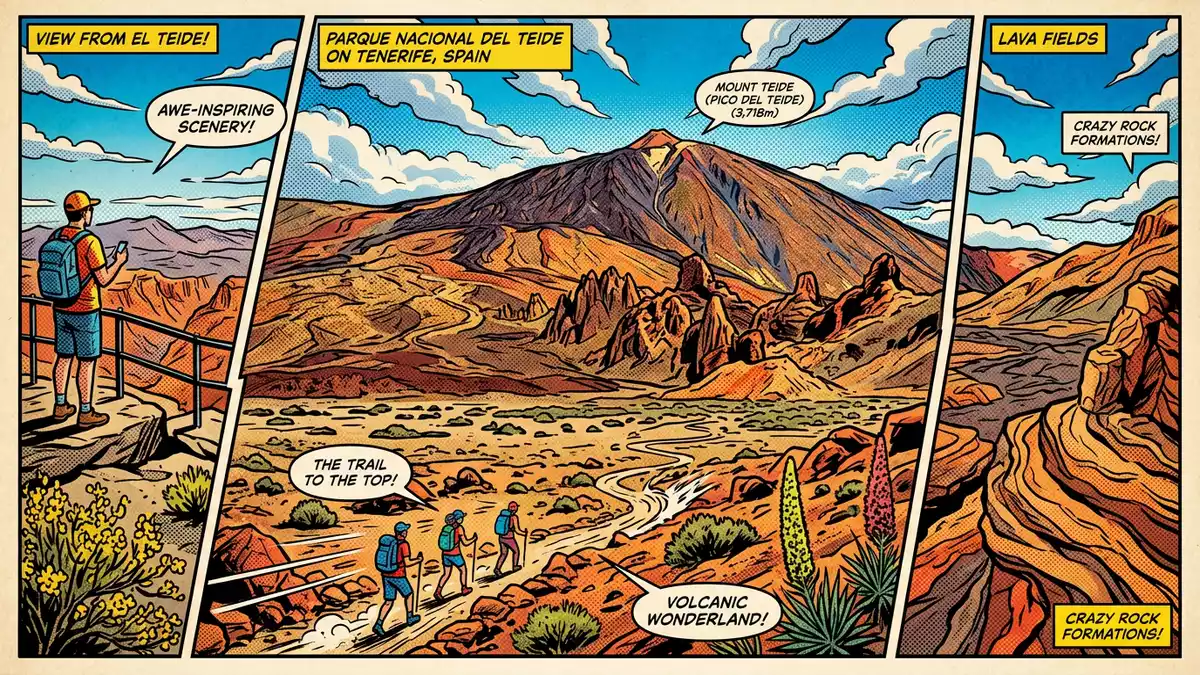
New trail permits at Teide National Park (Parque Nacional del Teide) in Tenerife were announced by the Cabildo on 14 October 2026. The measure affects three high-mountain routes and changes how visitors plan walks in this protected volcanic landscape.
Three Teide trails now require advance authorisation
The Cabildo has added PNT 09 Teide-Pico Viejo-Mirador de Las Narices del Teide, PNT 23 Los Regatones Negros and PNT 28 Chafarí to the reservation and access-control system. The decision was approved by the island authority’s department responsible for the natural environment, sustainability, safety and emergencies.
The three routes have a combined daily limit of 225 places. PNT 09 has 95 places, while PNT 23 and PNT 28 each have 65. The allocation includes places for individual visitors and accredited professionals, with reservations covering the full day. Details of the new trail access rules were published on 14 October 2026.
Access changes reach the summit routes
The same resolution changes the arrangements for PNT 10 Telesforo Bravo and PNT 07 Montaña Blanca-La Rambleta, which were already subject to reservations. Telesforo Bravo intervals are shortened from two hours to 90 minutes, and the revised system includes access arrangements for sunrise and places for mountaineers with recognised federation status.
All five regulated itineraries are now presented together in the official national parks booking office. Visitors must use Tenerife ON, choose the route and be able to show their authorisation and official identification when requested by control staff.
High altitude shapes the new Teide rules
The park occupies 18,900 hectares in central Tenerife and lies above 1,650 metres. Mount Teide reaches 3,717.98 metres, making it the highest peak in Spain. The volcanic terrain and altitude give the access rules a direct connection to the place: the new authorisation system covers routes leading through the upper mountain environment rather than a separate visitor venue.
The landscape is formed mainly by two large calderas separated by the Roques de García. The site entered the UNESCO World Heritage List as a natural property in 2007, and the official park information records more than 1,400 invertebrate species, many of them endemic. These confirmed features explain why visitor control is being applied across several distinct routes rather than only at the summit.
Visiting Teide National Park: what travellers from Western Europe should know
- From 14 October 2026, PNT 09, PNT 23 and PNT 28 require advance authorisation and together provide 225 places per day.
- Access is conditional on the selected reservation, and staff may check identification and refuse entry when required equipment is missing.
- The park is in central Tenerife, above 1,650 metres, and the official booking office directs visitors to Tenerife ON for authorisations.
- The required equipment for the three new routes includes long trousers, warm clothing, mountain boots, water, a charged mobile phone, an emergency thermal blanket, a hat, gloves and a torch or head torch with a spare battery.
- Spain’s official language is Spanish and its national currency is the euro.
Searching for Teide National Park on social platforms
These links open searches for Teide National Park on each platform.
Frequently asked questions about Teide National Park
When do the new trail permits apply at Teide National Park?
The Cabildo announced the new access rules on 14 October 2026. Three routes require advance authorisation and have 225 places combined each day.
What has changed at Teide National Park?
PNT 09, PNT 23 and PNT 28 were added to the reservation system, while Telesforo Bravo intervals changed to 90 minutes.
Where is Teide National Park and how do you get there?
The park is in central Tenerife, Spain. The official booking office identifies Tenerife ON as the platform for route authorisations.


