
The Pearl-Qatar turns reclaimed land into a waterfront city
Published on 09/23/2026 at 22:17 | Editorial responsibility: Rafael Müller, Editor-in-Chief AD HOC NEWS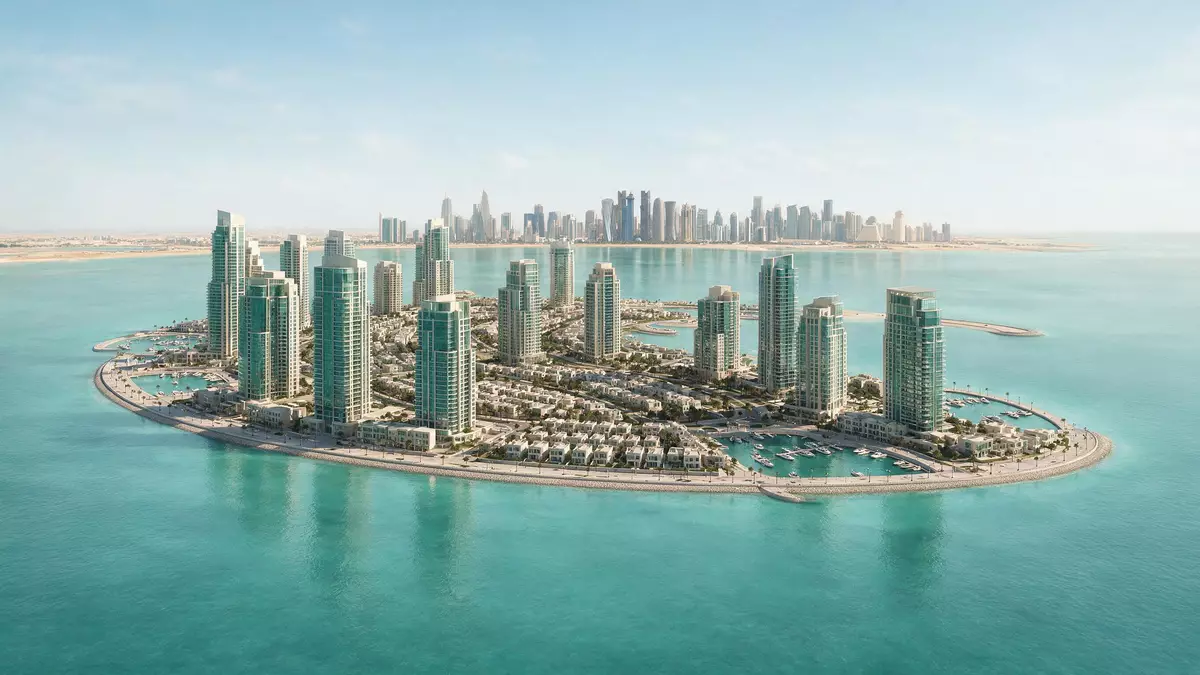
The Pearl-Qatar is a man-made island off Doha’s West Bay district, where residential towers, villas, marinas and canals form a waterfront city. Its streets combine Mediterranean-inspired districts with Qatar’s long connection to pearl diving, creating a landscape shaped by water and reclaimed land.
The Pearl-Qatar rises from Doha’s maritime history
United Development Company began the project in May 2004, creating an urban island on roughly 4 million square metres of reclaimed land. The site lies 350 metres offshore from West Bay, Doha’s business district, and connects the capital’s built landscape with the Persian Gulf.
The name refers to Qatar’s pearl-diving heritage. Before hydrocarbons transformed the country’s economy, pearl fishing supported coastal communities and linked Qatar’s history to the sea. The island’s contemporary buildings therefore carry a name rooted in an older maritime economy. The project’s May 2004 start date places its creation in the early twenty-first century.
Marinas, canals and districts with distinct identities
The Pearl-Qatar is organised as a collection of themed precincts rather than a single uniform neighbourhood. United Development Company describes ten architecturally distinct precincts, with residential, commercial and retail uses arranged around waterfront spaces. Apartment towers, townhouses, villas, hotels and public squares occupy different parts of the island.
Porto Arabia forms a high-rise waterfront district around a large marina. Towers rise beside promenades, restaurants and yacht berths, giving the area a distinctly urban and Mediterranean character. Viva Bahriya combines beachfront residences with low-rise homes, while Medina Centrale places shops, cafés, gardens and public plazas at the centre of everyday activity.
Qanat Quartier brings canals into the city
Qanat Quartier presents the island’s most recognisable architectural contrast. Low-rise buildings in pale and pastel colours line canals crossed by pedestrian bridges, creating a neighbourhood with a Venetian visual language inside Doha’s Gulf setting. The water channels, façades and narrow passages give this district a clear identity within the wider development.
Other precincts add different architectural references, including Moroccan influences in Viva Bahriya and Mediterranean forms around the marinas. The result is a built environment assembled from varied residential scales: tall apartment buildings, villas, townhouses and waterfront promenades. The three principal districts commonly associated with the island are Qanat Quartier, Porto Arabia and Medina Centrale.
Visiting The Pearl-Qatar: what travellers from Western Europe should know
- The Pearl-Qatar lies offshore from Doha’s West Bay district. It is reached by road, taxi or car, and the nearest Doha Metro station is Legtaifiya on the Red Line, followed by the M110 Metrolink bus.
- The island is a built waterfront environment on reclaimed land. Routes pass through marinas, promenades, plazas, canals and residential streets rather than natural terrain.
- West Bay, Katara Cultural Village and Lusail City lie near The Pearl-Qatar. The official language is Arabic and the currency is the Qatari riyal.
- Qanat Quartier contains canals and pedestrian bridges, while Porto Arabia centres on a marina and Medina Centrale contains public plazas, gardens, shops and restaurants.
Searching for The Pearl-Qatar on social platforms
These links open searches for The Pearl-Qatar on each platform.Frequently asked questions about The Pearl-Qatar
Where is The Pearl-Qatar?
The Pearl-Qatar is a man-made island off Doha’s West Bay district. It lies 350 metres offshore and is connected to the mainland by road.
What can visitors expect at The Pearl-Qatar?
Visitors encounter marinas, waterfront promenades, cafés, restaurants, shops, gardens, public plazas and residential districts. Qanat Quartier adds canals and pedestrian bridges to the urban landscape.
What makes The Pearl-Qatar distinctive?
Its identity comes from the combination of reclaimed land, Mediterranean-inspired precincts and Qatar’s pearl-diving heritage. Porto Arabia, Medina Centrale and Qanat Quartier each present a different relationship between buildings and water.


