
Tivoli in Kopenhagen, a nineteenth-century garden of rides and lights
Published on 09/18/2026 at 19:16 | Editorial responsibility: Rafael Müller, Editor-in-Chief AD HOC NEWS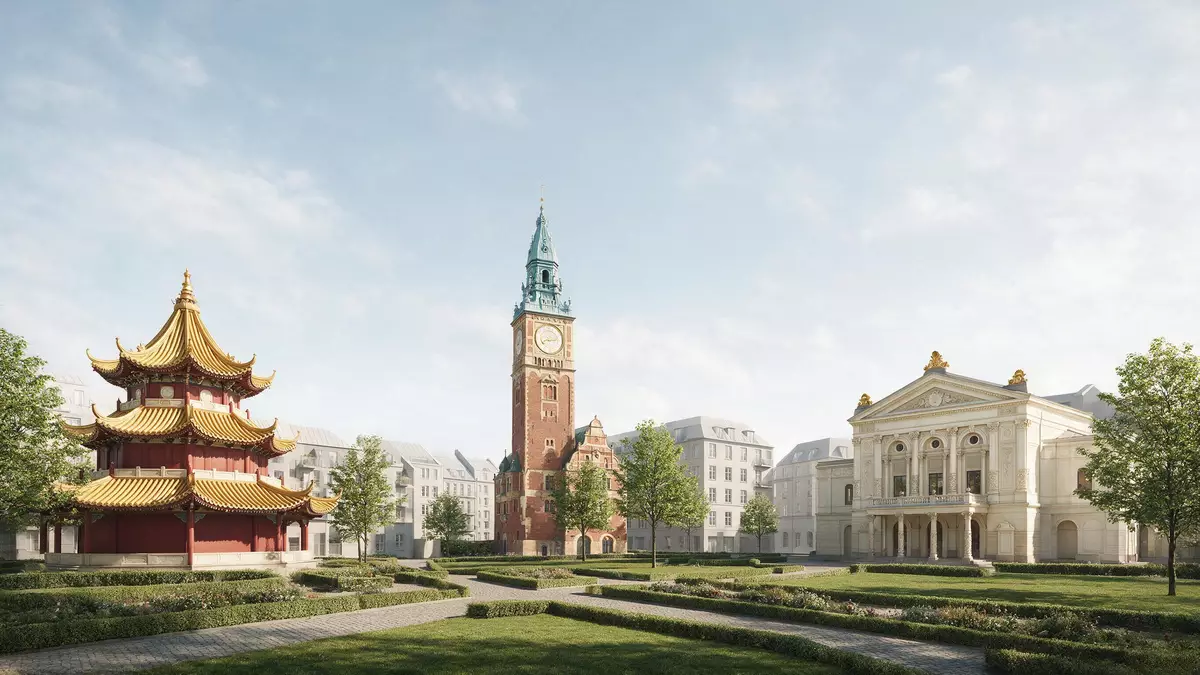
Tivoli in Kopenhagen is a nineteenth-century amusement park and pleasure garden laid out beside the city’s central railway station, combining landscaped greenery with theatres and mechanical rides in a compact walled world. Opened in 1843 under the direction of Georg Carstensen, it remains closely associated with Kopenhagen’s identity as a city of leisure, light and music.
A pleasure garden born in 1843
Tivoli opened its gates on 15 August 1843 on land that formed part of the old fortification grounds outside Vesterport, then one of the main city gates on the western side of Kopenhagen.Opened on 15 August 1843 The park was founded by the writer and impresario Georg Carstensen after he obtained royal permission from King Christian VIII to create an entertainment garden for the city’s residents.Founded by Georg Carstensen in 1843 From the beginning, Tivoli combined ornamental planting with buildings in exotic styles, stages for performances and mechanical attractions such as carousels.
The name Tivoli echoed earlier pleasure gardens elsewhere in Europe, including a Jardin de Tivoli in Paris and Vauxhall Gardens in London, which provided models for romantic landscaping, ornamental structures and social promenades.Named after an amusement park in Paris Within a few decades, permanent architecture accumulated around the paths and flower beds. The Pantomime Theatre, completed in 1874, introduced a Chinese-style pavilion with a distinctive peacock curtain and became Tivoli’s oldest surviving building.Pantomime Theatre from 1874
Architecture, rides and music among the trees
Walking through Tivoli reveals a layered landscape where garden design, architecture and amusement technology share the same ground. Paths curve between lawns, flower beds and small lakes, with light pavilions and towers rising among the trees.Romantic garden with pavilion buildings Architectural motifs range from Moorish façades to Japanese-inspired pagodas, reflecting nineteenth-century fascination with imagined Eastern settings as much as Danish traditions.
Rides thread through this planted framework rather than standing apart on bare ground. The wooden roller coaster Rutschebanen, opened in 1914, runs along a timber structure that rises above the trees and is recognised as one of the oldest roller coasters still operating in Europe.Rutschebanen opened in 1914 Elsewhere in the park, carousels, bumper cars and newer steel coasters add vertical movement and noise to a setting that still retains lawns, carefully tended borders and quieter corners. Concerts and pantomime performances continue a musical tradition that dates back to H.C. Lumbye’s nineteenth-century orchestra engagements.Orchestra at Tivoli for its first decades
A central Kopenhagen landmark of lights
Tivoli sits beside Kopenhagen Central Station on Vesterbrogade, within the Inner Vesterbro district at the edge of the historic core.Theme park in central Copenhagen The main entrance on Vesterbrogade forms a formal gateway into the grounds, with an arch flanked by pavilions that present Tivoli as part of the urban streetscape even though the interior remains a separate garden world.Head-entry portal among the oldest buildings
By evening, illumination becomes as characteristic as planting or rides. Thousands of lamps and lanterns trace façades, outline towers and reflect in water, so that light itself reads as part of the design language as much as masonry or foliage.Pathways lit by lamps and lanterns This combination of nineteenth-century pleasure garden structure, early twentieth-century rides and later additions has turned Tivoli into a place where Kopenhagen’s everyday streets meet a self-contained world of performances, greenery and mechanical motion.
Visiting Tivoli: what travellers from Western Europe should know
- Tivoli stands in central Kopenhagen on Vesterbrogade beside Kopenhagen Central Station, with entrances facing the station and the surrounding streets.
- Paths within Tivoli are laid out as a garden circuit, and reaching many of the rides involves walking along outdoor routes that pass planting, small lakes and performance stages.
- The terrain inside the park is mostly level, though staircases appear around ride platforms and theatre seating, so moving between attractions can involve repeated changes in height.
- Tivoli is in Denmark, where the official language is Danish and the currency is the Danish krone.
Searching for Tivoli on social platforms
These links open searches for Tivoli on each platform.
Frequently asked questions about Tivoli
Where is Tivoli in Kopenhagen?
Tivoli stands on Vesterbrogade in central Kopenhagen, directly beside Kopenhagen Central Station and close to the edge of the historic inner city.
What can visitors expect inside Tivoli?
Visitors encounter landscaped gardens, theatres, restaurants and a mix of classic and modern amusement rides arranged along pathways that weave between planting, lakes and architectural landmarks.
What makes Tivoli distinctive among amusement parks?
Tivoli combines a nineteenth-century pleasure garden layout, historic architecture such as the Pantomime Theatre from 1874 and early twentieth-century rides like the wooden Rutschebanen roller coaster within one compact urban site.


