
Triglavski narodni park and Slovenia’s Alpine landscape
Published on 09/23/2026 at 08:38 | Editorial responsibility: Rafael Müller, Editor-in-Chief AD HOC NEWS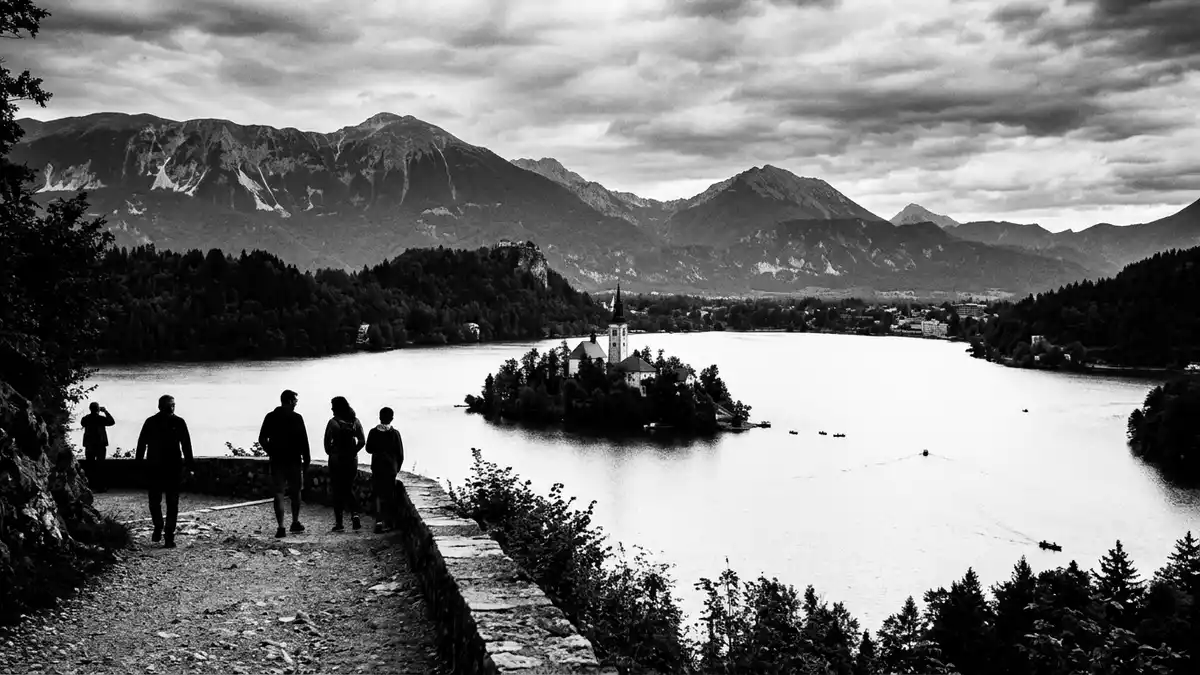
Triglavski narodni park extends from the surroundings of Bled across much of Slovenia’s Julian Alps. Its landscape joins forests, limestone valleys, glacial lakes, deep gorges and high mountain ridges beneath Triglav, Slovenia’s highest peak at 2,864 m (9,396 ft).
Triglav and the Julian Alps
Triglavski narodni park lies in north-western Slovenia, close to the borders with Italy and Austria. The park overlaps almost completely with the Eastern Julian Alps, a section of the south-eastern Alpine massif with sharp limestone summits and broad wooded plateaux.
Triglav rises in the centre of the park and gives it its name. The mountain is also a national symbol of Slovenia. The park covers about 840 square kilometres, equal to roughly four per cent of the country’s territory. Triglav’s protected landscape includes both high Alpine terrain and inhabited valleys.
From early protection to a national park
Protection in the Triglav Lakes Valley began in 1924, when the Alpine Conservation Park was established. The conservation history also includes a 1908 proposal by the seismologist Albin Belar for a protected area above Komar?a.
A decree created Triglav National Park in the Triglav Lakes Valley in 1961. The modern park followed the Triglav National Park Act of 1981, while a further act in 2010 enlarged its territory. These dates mark the transition from a protected mountain valley to a large national park across the Julian Alps. The park’s conservation history remains visible in its combination of natural areas, settlements and cultural landscapes.
Water, limestone and mountain valleys
The park contains a wide range of Alpine landforms. The Tolmin Gorges form its lowest point at about 180 m (591 ft), while Triglav forms its highest point. Between them lie steep valleys, plateaux, forests, waterfalls and limestone mountains.
Lake Bohinj is the largest permanent glacial lake in Slovenia. The So?a River runs through a landscape of pale rock, narrow gorges and clear mountain water. Near Bled, the Vintgar Gorge has steep walls, pools and the Šum waterfall. Other named features include Savica Waterfall, Peri?nik Waterfall, the Pokljuka Plateau and Zelenci Nature Reserve.
The Julian Alps Biosphere Reserve includes Triglavski narodni park and was designated in 2003. This international status covers a wider Alpine region, including municipalities such as Bled, Bohinj, Bovec, Kranjska Gora and Tolmin. The Julian Alps biosphere reserve places the park within a broader landscape of mountain habitats and settled valleys.
Visiting Triglavski narodni park: what travellers from Western Europe should know
- Bled lies on the park’s south-eastern edge and provides access to nearby sites including the Vintgar Gorge. Bohinj, Kranjska Gora, Bovec and Tolmin are further gateways into the Julian Alps.
- The terrain ranges from low gorges to a 2,864 m (9,396 ft) summit. Mountain routes include steep ground, exposed rock, forest paths and high Alpine sections.
- Public transport reaches parts of the wider park area by train and bus. The Bohinj railway includes a car-train route between Bohinjska Bistrica and Most na So?i.
- The official language is Slovene and the currency is the euro.
- Conditions on the mountain change with the seasons; the local cable-car operators and alpine clubs provide information.
Searching for Triglavski narodni park on social platforms
These links open searches for Triglavski narodni park on each platform.
Frequently asked questions about Triglavski narodni park
Where is Triglavski narodni park?
It is in north-western Slovenia, in the Julian Alps near the borders with Italy and Austria. Bled, Bohinj, Kranjska Gora, Bovec and Tolmin connect with different parts of the park.
What can visitors expect in the park?
The landscape includes forests, limestone peaks, glacial lakes, waterfalls, gorges and mountain valleys. Routes range from lower walking areas to demanding high Alpine terrain.
What makes the park distinctive?
Triglavski narodni park combines Slovenia’s highest mountain, a long conservation history and a landscape that includes both natural habitats and settled Alpine valleys. Triglav reaches 2,864 m (9,396 ft) at the park’s centre.


