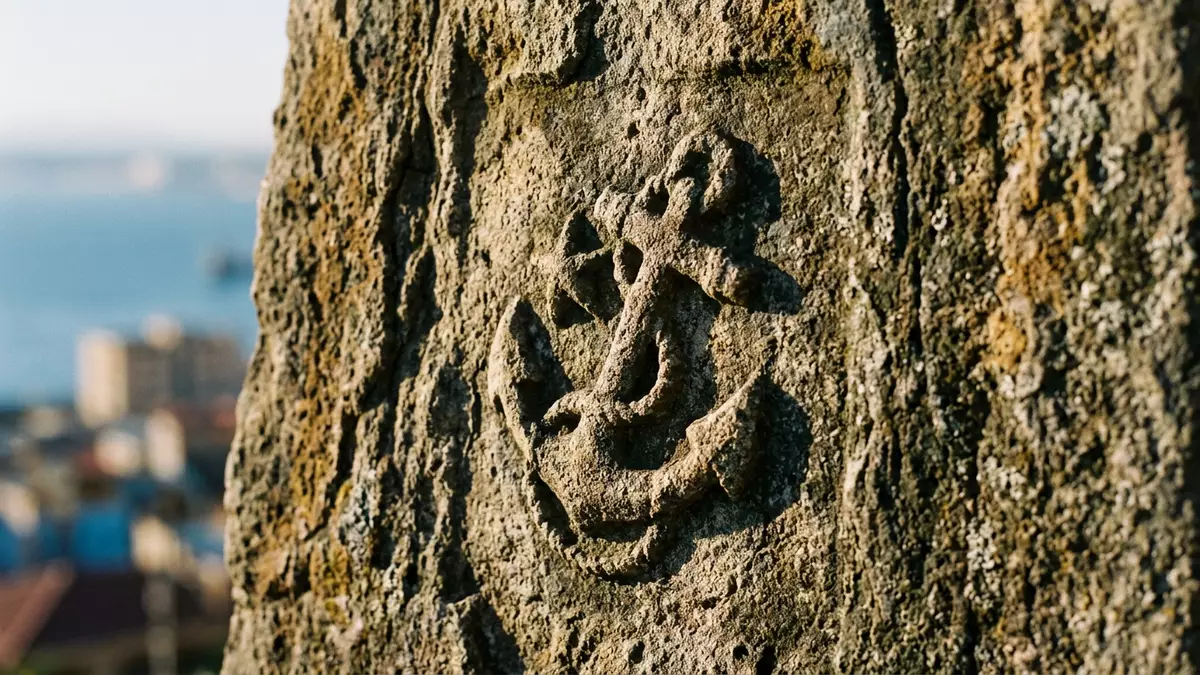
Valparaiso’s hills and funiculars shape the city
Published on 08/10/2026 at 15:05 | Editorial responsibility: Rafael Müller, Editor-in-Chief AD HOC NEWS
Valparaiso in Chile is a hill city of stairways, funiculars and tightly packed houses looking over the Pacific. Its historic core is shaped by late nineteenth-century growth, when the port became one of the busiest on the South American coast.
Valparaiso’s hills, lifts and port streets
The city rises in layers from the waterfront to the ridges above. Colourful facades, corrugated metal, narrow lanes and abrupt staircases give the centre a compact and uneven character.
Valparaiso is also known for its ascensores, the historic funiculars that link lower streets with the hills. Some are simple in form, with small cars running on steep tracks, and they remain part of the city’s everyday movement.
A port city shaped by nineteenth-century trade
Valparaiso grew during the nineteenth century as a major Pacific port, drawing merchants, sailors and migrants from Europe and beyond. That period left a mix of commercial buildings, warehouses and residential quarters close to the harbour.
Among the most recognisable historic areas is the UNESCO-listed zone of Valparaíso, where the urban fabric combines hillside streets with port-side blocks. The city’s architecture ranges from modest timber houses to ornate facades from the era of maritime wealth.
Walking the hills and looking back to the bay
A visit to Valparaiso is as much about movement as sightseeing. The city rewards unhurried walking, with one street opening onto a stairway, then another view of roofs, cranes and the harbour below.
Murals and painted walls add another layer to the streetscape. They sit alongside old balconies, iron railings and weathered masonry, giving the hills a dense and lived-in texture.
Visiting Valparaiso: what travellers from Western Europe should know
- The city is reached from Santiago by road and rail connections to the wider region.
- Admission arrangements and opening hours are set by the site's operator and change with the season; the official website is the only binding source.
- The best time for a visit is the drier part of the year, when hill walks and viewpoints are easier to combine.
- Expect steep streets, uneven steps and long climbs between the waterfront and the hills.
- Spanish is the main language, and cash or card use varies from place to place; local markets and cafés keep a relaxed pace.
- Entry requirements depend on your nationality. UK travellers should check the FCDO travel advice at gov.uk/foreign-travel-advice; Irish travellers the Department of Foreign Affairs at ireland.ie; EU and EEA citizens their own national foreign ministry.
Searching for Valparaiso on social platforms
These links open searches for Valparaiso on each platform.
Frequently asked questions about Valparaiso
Where is Valparaiso?
Valparaiso is a coastal city in Chile, facing the Pacific and sitting west of Santiago. It spreads across the harbour edge and the hills above it.
What should visitors expect?
Expect steep streets, stairways and short rides on funiculars between different levels of the city. The best impressions come from walking the hills and pausing for views over the bay.
What makes Valparaiso distinctive?
Its mix of port infrastructure, hillside housing and historic lifts gives the city a strong visual identity. The UNESCO-listed centre adds architectural depth to that landscape.