
Van Gogh Museum and the art of seeing a life unfold
Published on 09/24/2026 at 07:05 | Editorial responsibility: Rafael Müller, Editor-in-Chief AD HOC NEWS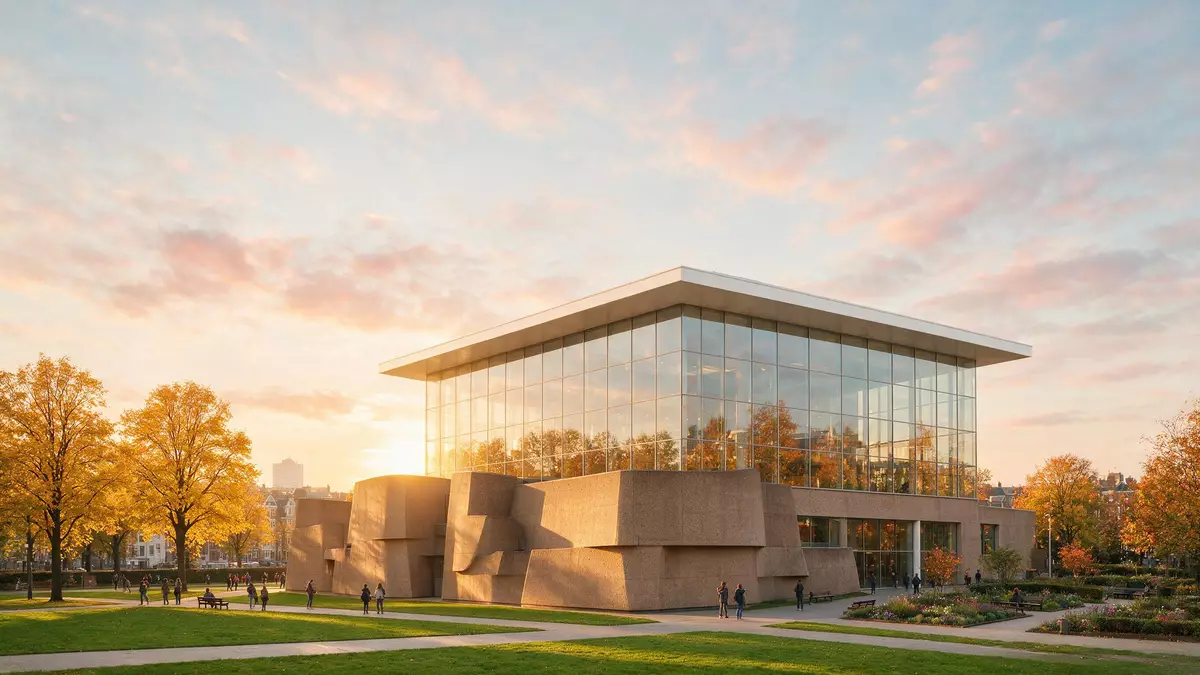
Van Gogh Museum in Amsterdam presents Vincent van Gogh’s art through paintings, drawings and letters, arranged as a life story in galleries near Museumplein. The museum’s two principal buildings make that experience visible in another way: Gerrit Rietveld’s main building opened in 1973, while Kisho Kurokawa’s exhibition wing followed in 1999.
Van Gogh Museum: a collection shaped by family
The museum’s history begins with Vincent van Gogh’s family collection. After Vincent’s death, his brother Theo and Theo’s wife, Johanna van Gogh-Bonger, cared for the works. Their son, Vincent Willem van Gogh, established the Vincent van Gogh Foundation in 1962. The collection entered a lasting relationship with the Dutch state, creating the basis for the museum that opened in Amsterdam.
The collection contains paintings, drawings and letters by Vincent, alongside works by artists connected with his world. the family collection forms its historical core. The arrangement places artistic development beside correspondence, allowing the written record to sit close to the images.
From The Potato Eaters to The Bedroom
The permanent collection includes The Potato Eaters, Sunflowers, The Bedroom and Almond Blossom. These paintings belong to different stages of Van Gogh’s career, from the dark, earthy palette of his Dutch period to the stronger colour contrasts associated with his work in France.
Drawings and letters expand the story beyond finished paintings. Van Gogh’s correspondence with Theo records artistic decisions, daily concerns and ideas for pictures. Some letters contain sketches, linking the private act of writing with the public work displayed in the galleries. The permanent collection therefore includes several kinds of evidence about the artist.
Rietveld and Kurokawa in one museum complex
The Van Gogh Museum’s architecture has two clearly named chapters. Gerrit Rietveld designed the main building in 1963 and 1964, and it opened in 1973. Rietveld was associated with De Stijl, the Dutch movement known for geometric order and carefully controlled relationships between space, line and colour.
Kisho Kurokawa designed the exhibition wing, completed in 1999. Its curved, elliptical building form differs from the rectilinear character of the Rietveld building. The museum also has an entrance building on Museumplein, created from designs by Kurokawa and realised with Hans van Heeswijk Architects. the museum buildings show how the institution has expanded while retaining its original architectural identity.
Visiting Van Gogh Museum: what travellers from Western Europe should know
- The museum is at Museumplein 6 in Amsterdam, beside the Museumplein cultural district. Tram routes 2, 5 and 24 serve the Museumplein stop.
- The main entrance is on Museumplein, while the permanent collection is housed in the Rietveld building on Paulus Potterstraat.
- Amsterdam’s official language is Dutch and its currency is the euro.
- The museum stands near the Rijksmuseum, the Stedelijk Museum and the Concertgebouw, all within the Museumplein area.
Searching for Van Gogh Museum on social platforms
These links open searches for Van Gogh Museum on each platform.
Frequently asked questions about Van Gogh Museum
Where is Van Gogh Museum?
Van Gogh Museum is at Museumplein 6 in Amsterdam, near the Rijksmuseum, the Stedelijk Museum and the Concertgebouw. The district is served by tram routes including 2, 5 and 24.
What can visitors see inside?
The collection includes Vincent van Gogh’s paintings, drawings and letters. Key paintings include The Potato Eaters, Sunflowers, The Bedroom and Almond Blossom.
What makes the museum distinctive?
Its collection connects paintings with drawings and correspondence, while its buildings bring together designs by Gerrit Rietveld and Kisho Kurokawa. The museum opened in 1973 and gained its exhibition wing in 1999.


