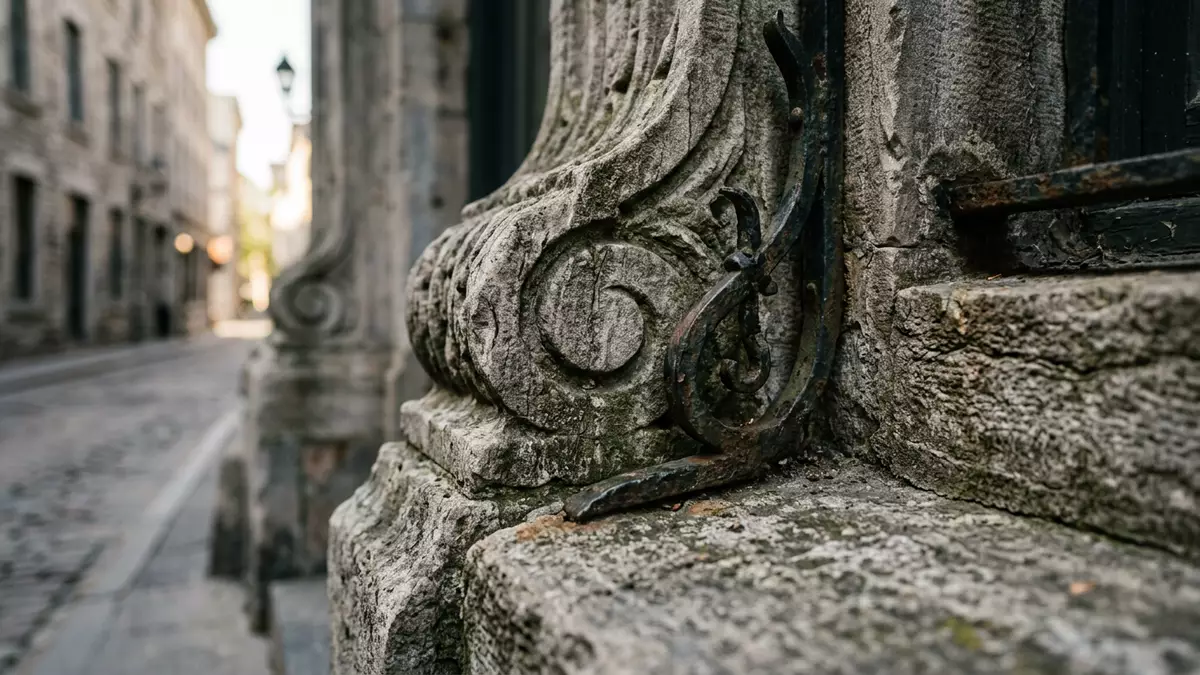
Vieux-Montreal: stone streets along the St Lawrence
Published on 08/12/2026 at 14:27 | Editorial responsibility: Rafael Müller, Editor-in-Chief AD HOC NEWS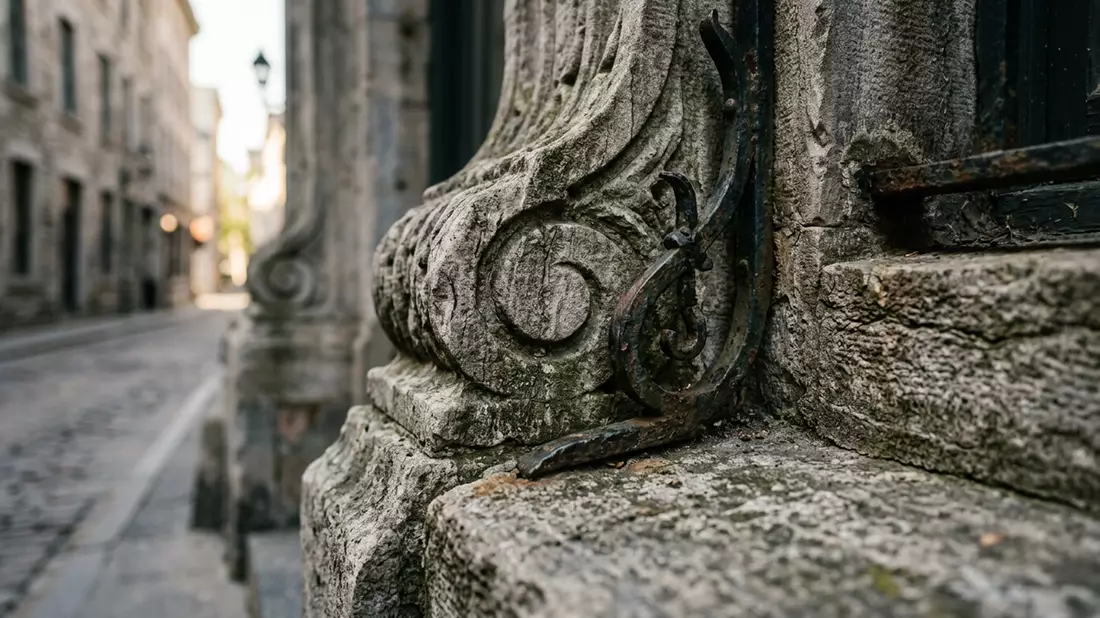
Vieux-Montreal, known in English as Old Montreal, is the historic district where the city first grew along the St Lawrence River at the southern edge of downtown Montreal. Its streets and squares preserve a dense mix of seventeenth- to nineteenth-century buildings, many of them protected as a historic arrondissement since 1964 by the cultural authorities of Quebec.
From fortified colonial town to protected historic arrondissement
The area now called Vieux-Montreal occupies the oldest part of Montreal, with roots reaching back to the founding of the French colony in the seventeenth century. Montreal was established in 1642 at Pointe-à-Callière by the St Lawrence River, and the street grid that survives in the district still reflects that early colonial layout and the first centuries of urbanisation.street grid legacy Much of the district’s built fabric dates from the eighteenth and nineteenth centuries, when stone houses, warehouses and public buildings were constructed as Montreal expanded as a port and commercial centre.eighteenth and nineteenth centuries
In 1964 the province of Quebec declared most of Vieux-Montreal a historic district, an arrondissement historique, recognising the concentration of early urban architecture and ensuring legal protection for its buildings and streets.historic arrondissement designation The protected area includes the Old Port of Montreal, so the waterfront quays and promenades form part of the same historic ensemble as the inland streets and squares.Old Port of Montreal
Streets, squares and riverfront: reading the district on foot
The historic district sits within a clear urban perimeter in the Ville-Marie borough of Montreal. It is bounded broadly by McGill Street towards the west, Saint-Antoine Street in the north, Berri Street in the east and the St Lawrence River along the southern edge, with recent definitions extending the boundary to Sœurs-Grises Street and Saint-Hubert Street.McGill, Saint-Antoine, Berri and riverextended perimeter streets Within this frame, narrow streets paved with stone run between terraces of historic buildings, giving the area a compact, walkable scale.
Walking through Vieux-Montreal reveals a sequence of public spaces as well as streets. Close to the waterfront, the Old Port forms a broad promenade beside the river, lined with former port buildings and open spaces that contrast with the more enclosed streets inland.Old Montreal and Old Port Further inside the district, Place Jacques-Cartier stretches uphill from the river, framed by historic façades that mark the transition from the quays to the older commercial streets.Place Jacques-Cartier and streets
Notre-Dame Basilica and the architectural mix of Vieux-Montreal
Among the most recognisable buildings in Vieux-Montreal is Notre-Dame Basilica, a Gothic Revival church whose twin towers rise above the surrounding roofs.Notre-Dame Basilica It stands on Place d’Armes, a square enclosed by a range of nineteenth- and early twentieth-century buildings that show how the district’s architecture evolved from colonial stone houses to taller commercial blocks.eclectic architecture
The wider district brings together warehouses with sculpted façades, former banks and civic buildings in styles associated with the Victorian era, alongside older convents and houses that recall Montreal’s French colonial origins.warehouses and Victorian architecture Many structures now house museums, galleries, shops and apartments, but their external forms still give a clear reading of the city’s progression from fortified riverside settlement to dense nineteenth-century commercial centre.built heritage progression
Visiting Vieux-Montreal: what travellers from Western Europe should know
- Vieux-Montreal lies along the St Lawrence River on the southern edge of downtown Montreal, within the Ville-Marie borough in the province of Quebec in Canada.
- The historic streets are paved and relatively narrow, with short gradients between riverfront quays and inland squares, so visiting largely involves walking on hard surfaces.
- Square-Victoria-OACI and Champ-de-Mars stations on the Montreal metro stand near the district, and mainline rail connections serve the wider downtown area.
- English and French are widely used in Montreal; the official language of Quebec is French and the national currency is the Canadian dollar.
- Entry requirements depend on your nationality; UK travellers can check the FCDO travel advice at gov.uk/foreign-travel-advice, Irish travellers the Department of Foreign Affairs at ireland.ie.
Searching for Vieux-Montreal on social platforms
These links open searches for Vieux-Montreal on each platform.
Frequently asked questions about Vieux-Montreal
Where is Vieux-Montreal within the city?
Vieux-Montreal forms the historic district of Montreal in the Ville-Marie borough, along the St Lawrence River and framed by streets such as McGill and Saint-Antoine.
What can visitors expect when walking through the district?
Visitors encounter narrow paved streets, stone houses, warehouses, churches and squares from the seventeenth to nineteenth centuries, together with the open waterfront of the Old Port.
What makes Vieux-Montreal distinctive among Montreal’s neighbourhoods?
Its combination of colonial street layout, legally protected historic architecture and direct relationship with the St Lawrence River gives Vieux-Montreal a character rooted in the city’s earliest phases.