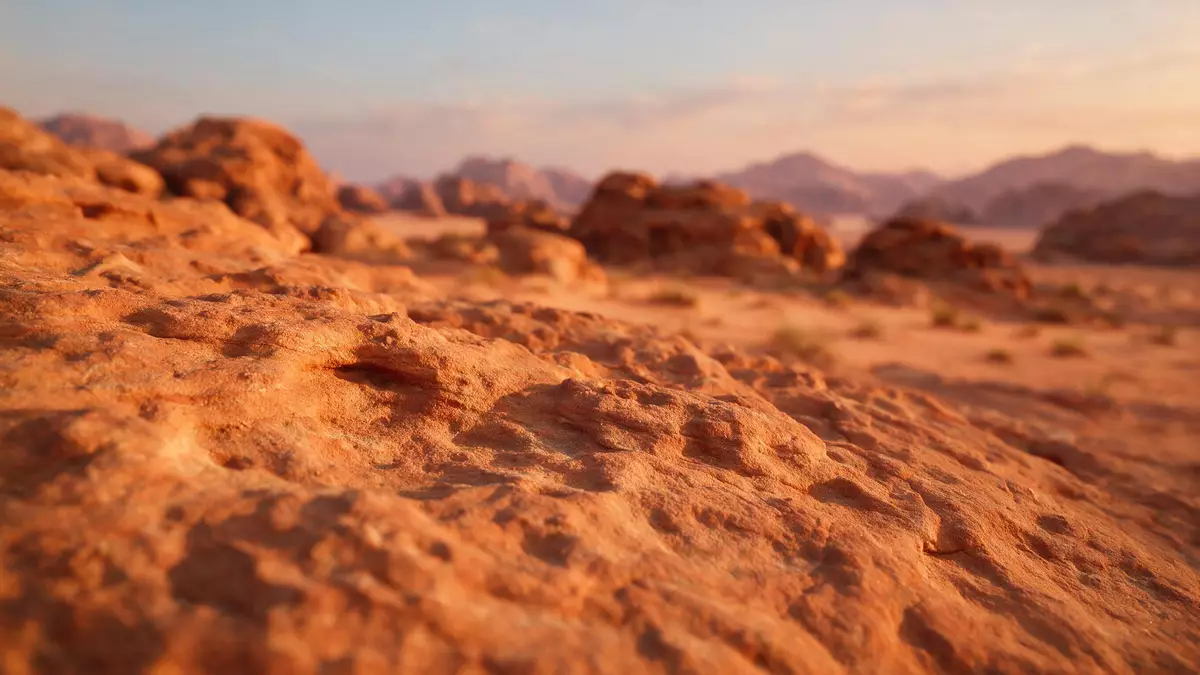
Wadi Rum and its red sandstone walls in Jordan
Published on 08/10/2026 at 15:16 | Editorial responsibility: Rafael Müller, Editor-in-Chief AD HOC NEWS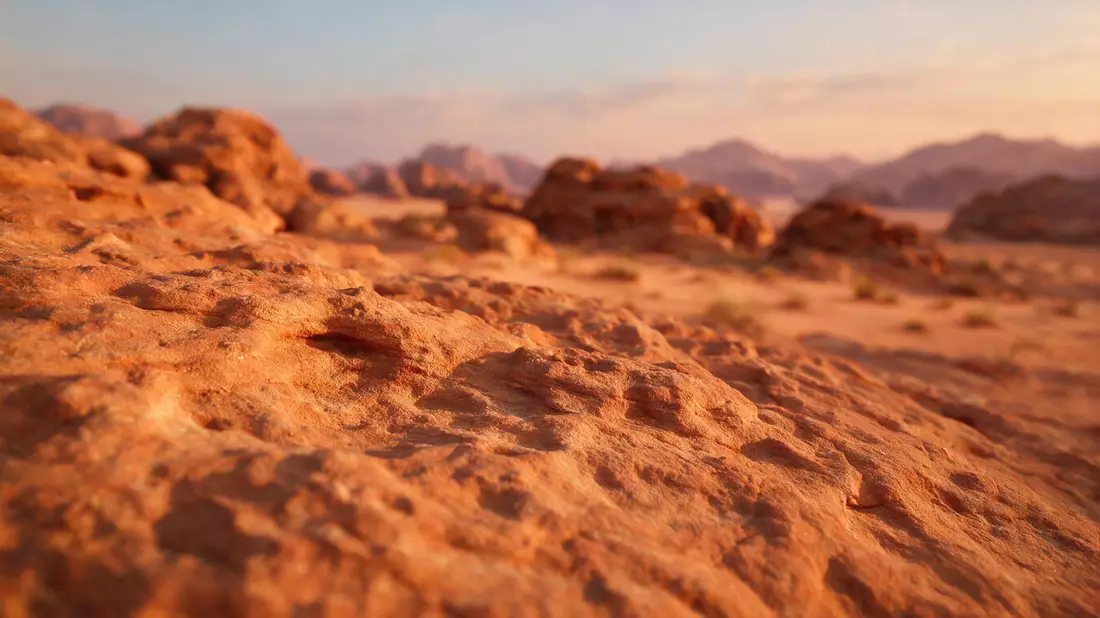
Wadi Rum in Jordan is a wide desert valley of red sandstone, granite and towering cliffs near Aqaba. The landscape is dominated by broad sand floors, narrow canyons and rock faces marked with ancient inscriptions.
Red sandstone and granite cliffs
The most immediate feature is the scale of the rock. Jabal Umm ad Dami rises above the surrounding desert, while other massifs and isolated outcrops break the horizon in long, jagged lines.
The colours shift from pale sand to deep rust and dark stone. In the best light, the valley shows the contrast between open plain and vertical rock walls with unusual clarity.
Nabataean traces and older marks
Rock inscriptions appear across parts of the area, including Thamudic and Nabataean scripts. These carved and painted marks connect the desert to ancient trade routes that crossed southern Jordan.
The same terrain holds sandstone shelters, wind-carved alcoves and narrow passages between cliffs. Lawrence of Arabia wrote about the area in the early twentieth century, and the desert later became closely associated with Bedouin life and travel.
From desert route to protected landscape
The place is part of the Wadi Rum Protected Area, which covers a large expanse of desert scenery in southern Jordan. It is also linked with a long tradition of nomadic movement, seasonal grazing and overland passage through Arabia.
The modern visitor sees a landscape of open space rather than a built monument. That is the point of the visit: the terrain itself, with its rock bridges, dunes and isolated peaks, carries the historical interest.
Visiting Wadi Rum: what travellers from Western Europe should know
- It lies in southern Jordan, reached from Aqaba by road and by local desert transport once inside the protected area.
- Admission arrangements and opening hours are set by the site's operator and change with the season; the official website is the only binding source.
- Late afternoon and early morning bring softer light on the sandstone and more comfortable conditions than the hotter part of the day.
- The ground is uneven, with sand, stone and long stretches on foot if you want to explore beyond the main access points.
- Arabic is the main language, and cash is useful for smaller purchases and local services.
- Entry requirements depend on your nationality. UK travellers should check the FCDO travel advice at gov.uk/foreign-travel-advice; Irish travellers the Department of Foreign Affairs at ireland.ie; EU and EEA citizens their own national foreign ministry.
Searching for Wadi Rum on social platforms
These links open searches for Wadi Rum on each platform.
Frequently asked questions about Wadi Rum
Where is Wadi Rum?
Wadi Rum is in southern Jordan, north of Aqaba, within a desert landscape of sandstone and granite. It sits far from the coast and is reached inland by road.
What should visitors expect?
Expect long views, rough ground, and a landscape that changes with the angle of the sun. The area suits travellers who want scenery, walking and historical traces rather than urban sights.
What makes it distinctive?
Its combination of open desert, sheer rock walls and ancient inscriptions gives it a layered character. The place feels both geological and historical, with the terrain itself acting as the main attraction.