
Wadi Rum’s sandstone labyrinth in southern Jordan
Published on 09/19/2026 at 10:40 | Editorial responsibility: Rafael Müller, Editor-in-Chief AD HOC NEWS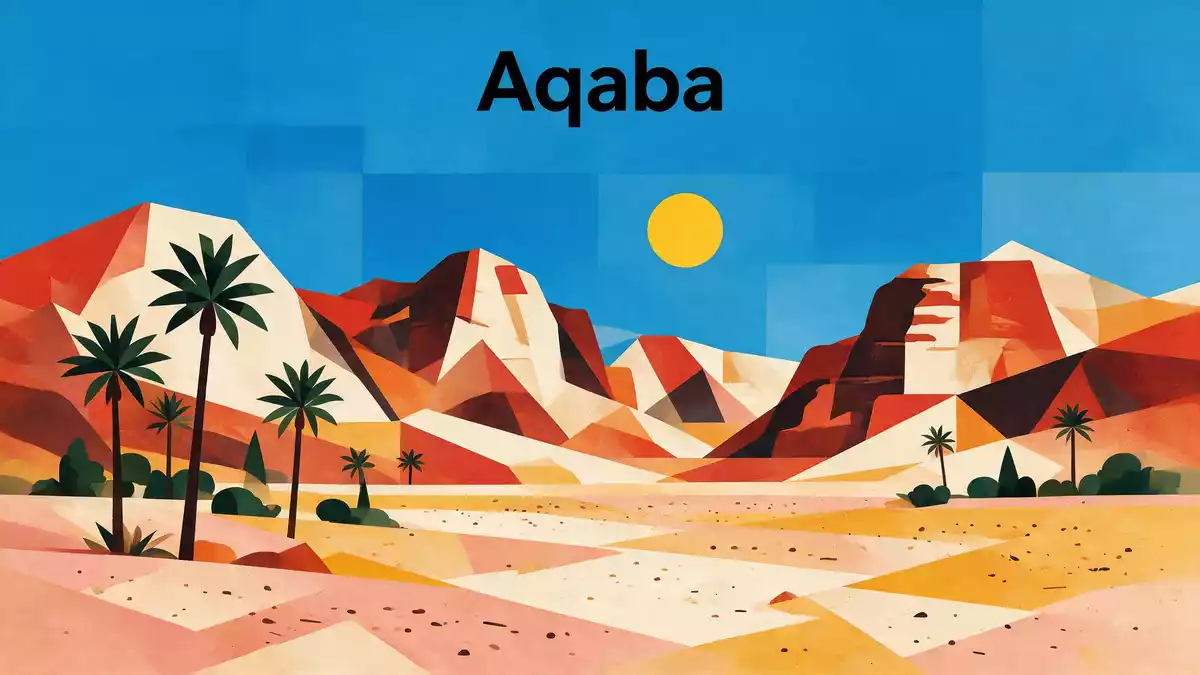
In southern Jordan, east of the Rift Valley and north-east of Aqaba, Wadi Rum stretches across a wide desert basin framed by sandstone and granite cliffs. Recognised as the Wadi Rum Protected Area and inscribed on the UNESCO World Heritage List in 2011, it is a mixed natural and cultural landscape where rock, sand and human traces share the same stage.
Sandstone massifs and desert floor
Wadi Rum is a valley cut into sandstone and granite rock in the Hisma desert of southern Jordan, close to the border with Saudi Arabia and around 60 km east of the coastal city of Aqaba.valley cut into sandstone and granite Across roughly 74,000 ha of protected terrain, towering rock massifs rise abruptly from the desert floor, forming cliffs, ramps and deep gorges that break the plateau into a labyrinth of stone.74,000-hectare property
The surfaces of these cliffs carry warm red and ochre tones that meet pale stretches of sand at their base. Natural rock arches, landslides and caverns punctuate the landscape, creating passages between sandstone walls and wider basins where the desert opens out.varied desert landscape In some sectors narrow gorges slice into the rock, forming corridors enclosed by high faces, while elsewhere broad valleys allow long views across cliffs that ring the horizon.
World Heritage desert with a deep human record
The Wadi Rum Protected Area covers around 74,200 ha and is formally recognised as a mixed cultural and natural World Heritage site under criteria (iii), (v) and (vii).mixed World Heritage status These criteria reflect both the sculpted desert landforms and the extensive record of human presence preserved on the rocks.
Rock faces across Wadi Rum carry thousands of petroglyphs and inscriptions in different scripts, alongside archaeological sites that document the use of the valley over many centuries.petroglyphs, inscriptions and sites These carvings sit on the same sandstone ledges and canyon walls that define the natural landscape, giving the desert a cultural layer visible in the same view as the cliffs and dunes.
Wadi Rum’s setting in southern Jordan
Geographically, Wadi Rum lies within the Aqaba Governorate in the southern part of Jordan, inside the Aqaba Special Economic Zone and forming a major feature of the Hisma desert east of the Jordan Rift Valley.location in Aqaba Governorate The protected area extends tens of kilometres from north to south and from east to west, with a buffer zone surrounding the core desert basin.extent and buffer zone
Wadi Rum sits near the border with Saudi Arabia, and the escarpment of the central Jordanian plateau rises to the north and west of the desert.near the Saudi border Within the valley, sandstone massifs form distinct mountains and ridges separated by sandy corridors, and a central management station for the protected area stands within the Aqaba Special Economic Zone.
Visiting Wadi Rum: what travellers from Western Europe should know
- Wadi Rum lies in southern Jordan within the Aqaba Governorate, north-east of Aqaba; road access leads inland from the Red Sea coast towards the valley.
- The desert terrain combines soft sand with rocky ground and involves movement across open plains and between cliffs, including travel on unpaved routes.
- The surrounding region includes the city of Aqaba on the Red Sea and the escarpment of the central Jordanian plateau to the north and west of the protected area.
- The official language is Arabic and the currency is the Jordanian dinar.
- Entry requirements depend on your nationality; UK travellers can check the FCDO travel advice at gov.uk/foreign-travel-advice, Irish travellers the Department of Foreign Affairs at ireland.ie.
Searching for Wadi Rum on social platforms
These links open searches for Wadi Rum on each platform.
Frequently asked questions about Wadi Rum
Where is Wadi Rum in relation to Aqaba?
Wadi Rum lies within the Aqaba Governorate of southern Jordan, around 60 km north-east of the coastal city of Aqaba and near the border with Saudi Arabia.
What kind of landscape should a visitor expect in Wadi Rum?
The protected area is a desert valley of sandstone and granite cliffs, gorges, natural arches, caverns and open sandy plains extending across tens of kilometres.
What makes Wadi Rum distinctive among desert regions?
Its combination of dramatic sandstone massifs, extensive desert scenery and a dense concentration of petroglyphs and inscriptions has earned it mixed World Heritage status as both a natural and cultural site.


