
Wadi Rum’s sandstone towers and desert valleys
Published on 09/18/2026 at 06:39 | Editorial responsibility: Rafael Müller, Editor-in-Chief AD HOC NEWS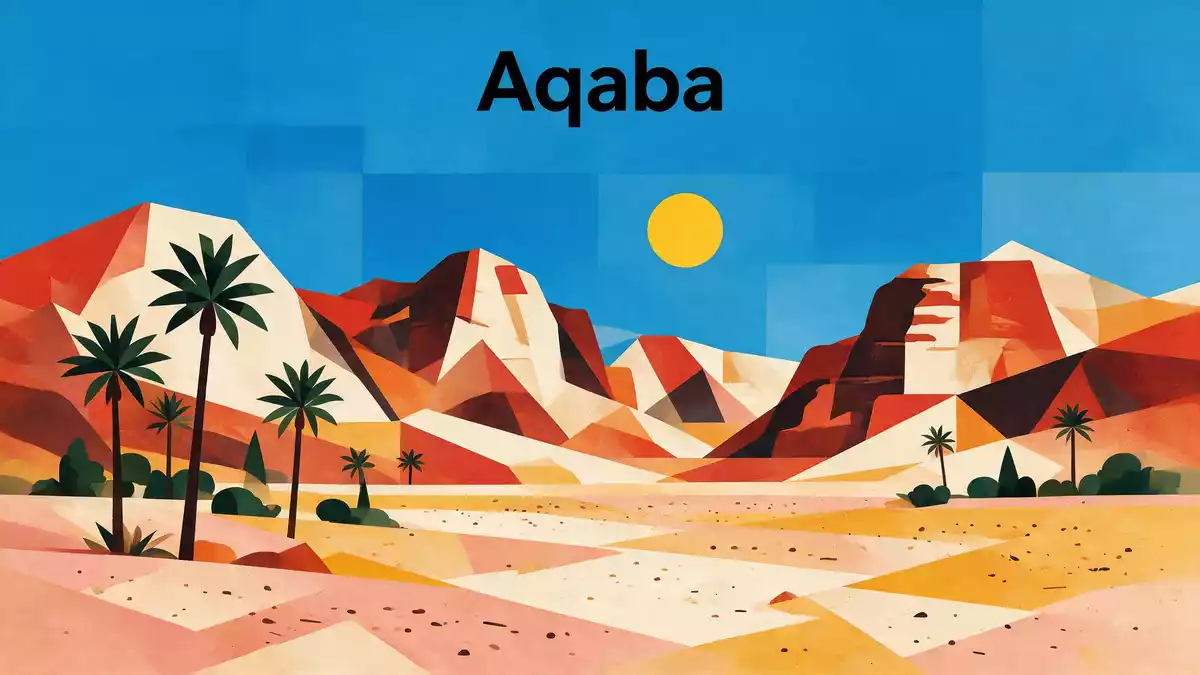
In the desert east of Aqaba in southern Jordan, Wadi Rum unfolds as a broad valley where sandstone and granite massifs rise abruptly from plains of sand and gravel. This protected landscape forms part of the Hisma desert and has become known for its combination of dramatic rock formations and archaeological traces that span long phases of human use.
Sandstone massifs and desert plains
Wadi Rum is a valley cut into sandstone and granite rock in southern Jordan, near the border with Saudi Arabia and inland from the Red Sea shore at Aqaba.a valley cut into sandstone Wide sandy and gravelly valley floors run between cliffs and ridges, creating long sightlines across the desert where the rock appears as isolated towers and walls. The protected area sits east of the Jordan Rift Valley and south of the steep escarpment of the central Jordanian plateau, placing Wadi Rum within a broader sandstone plateau of the Hisma desert.a major part of the Hisma desert
The Wadi Rum Protected Area covers tens of thousands of hectares of desert terrain, with the core property surrounded by a buffer zone that separates the valley and its rock formations from neighbouring settlements and roads.74,000-hectare property Within this expanse, the landscape includes narrow gorges that cut into the massifs, natural arches of sandstone, ramps where slopes rise to high plateaus, debris slopes from landslides and caverns in which shaded spaces open within the rock.varied desert landscape The alternation between vertical rock and open plain is a defining characteristic of Wadi Rum and shapes how the valley is experienced in all directions.
A mixed World Heritage desert
Wadi Rum Protected Area was inscribed on the UNESCO World Heritage List in 2011 as a mixed site, recognised for both natural and cultural values under criteria (iii), (v) and (vii).inscribed as a mixed natural and cultural site The inscription underlines the combination of geological formations and evidence of human presence that together convey long interaction between people and desert. The protected area lies within the Aqaba Governorate and the Aqaba Special Economic Zone, linking the valley administratively to the coastal city even as its environment contrasts with the Red Sea shore.location in Aqaba Special Economic Zone
The desert of Wadi Rum carries large numbers of petroglyphs and inscriptions that document different phases of settlement and passage across more than ten thousand years.petroglyphs and inscriptions These carvings and written records appear on cliff faces, boulders and rock panels, marking travel routes, grazing areas and places of ritual. Archaeological sites, including cultic remains and structures, contribute to the cultural dimension of the valley and show how Wadi Rum has served as a corridor and dwelling place rather than an empty expanse.archaeological sites and cultural legacy The World Heritage status reflects this layered character, with the desert landscape and its rock art recognised together.
Geology, scale and desert colour
The massifs of Wadi Rum are largely composed of Palaeozoic sandstone, forming a plateau where elevations reach high points above the surrounding valleys.Palaeozoic sandstone plateau Over geological time, erosion has carved sheer cliffs, buttresses and freestanding towers, while wind and occasional rain have sculpted surfaces into ledges and fluted faces. The contrast between the pale desert floor and the reddish rock gives Wadi Rum its characteristic colouring, earning it established names such as “Valley of the Moon” and descriptions that emphasise its red mountains.Valley of the Moon
Within the protected area, the desert extends for many kilometres from north to south and from east to west, with the nominated property covering more than 70,000 hectares and a surrounding buffer zone adding further protected land.property dimensions and buffer zone This scale allows whole complexes of cliffs and valleys to remain within a single protected framework, so that gorges, arches, ramps and caverns are conserved as parts of one desert system. The result is a landscape where geological forms and desert surfaces remain continuous over wide areas, and where the valley of Wadi Rum is understood as part of a larger sandstone desert of southern Jordan and northern Arabia.Hisma desert of southern Jordan
Visiting Wadi Rum: what travellers from Western Europe should know
- Wadi Rum lies in the Aqaba Governorate of southern Jordan, inland from the Red Sea and around 60 km to the east and north of Aqaba, with access routes leading from the coastal city into the desert valleys.
- The terrain combines flat sandy and gravelly valley floors with areas of broken rock, and approaches to viewpoints and canyon entrances can involve walking across soft sand and up uneven stone.
- Within the protected area, cliffs and ridges rise above the plains, and some routes to higher ground include sections on exposed ledges and slopes where sure footing is important.
- Jordan’s official language is Arabic and the currency is the Jordanian dinar.
- Entry requirements depend on your nationality; UK travellers can check the FCDO travel advice at gov.uk/foreign-travel-advice, Irish travellers the Department of Foreign Affairs at ireland.ie.
Searching for Wadi Rum on social platforms
These links open searches for Wadi Rum on each platform.Frequently asked questions about Wadi Rum
Where is Wadi Rum in relation to Aqaba and the rest of Jordan?
Wadi Rum lies in southern Jordan within the Aqaba Governorate, around 60 km inland to the east and north of Aqaba and south of the central Jordanian plateau.
What kind of landscape should a visitor expect in Wadi Rum?
The valley combines wide sandy and gravelly plains with sandstone and granite massifs, including gorges, natural arches, cliffs, ramps and caverns across a large protected desert area.
What makes Wadi Rum distinctive among desert regions?
Wadi Rum stands out for its combination of Palaeozoic sandstone towers, extensive desert plains and dense concentrations of petroglyphs, inscriptions and archaeological sites recognised in its mixed World Heritage status.


