
Wudang Shan’s Taoist peaks and palace terraces above Shiyan
Published on 09/19/2026 at 10:59 | Editorial responsibility: Rafael Müller, Editor-in-Chief AD HOC NEWS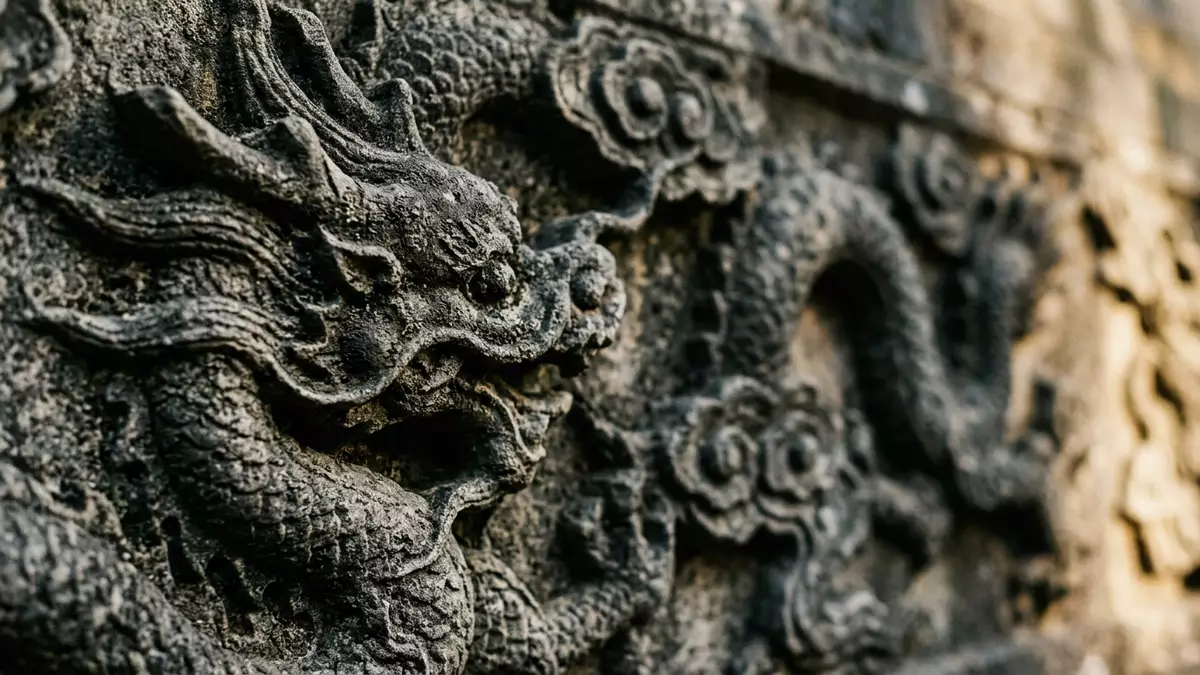
Wudang Shan south of Shiyan in Hubei is a narrow mountain range where Taoist palaces and temples stand among steep forested ridges, terraces and ravines. The historic ensemble here is formally recognised as the Ancient Building Complex in the Wudang Mountains, inscribed as a cultural World Heritage Site by UNESCO in 1994.
Mountain range and Taoist landscape above Shiyan
Wudang Shan forms part of the north-western Hubei uplands, running roughly east–west between the Han River to the north and the broader Daba Mountains to the south and west.Wudang Mountain Range The range lies near the prefecture-level city of Shiyan, with the best-known temple district administered as part of Danjiangkou, and reaches towards the meeting zones of Hubei, Henan and Shaanxi.
The mountains occupy a transitional landscape between river valley and highland, with slopes that rise towards a group of jagged peaks traditionally counted among the main summits of the range.upper slopes of Wudang Shan Above the lower approaches, the terrain is characterised by cliffs, deeply cut ravines and forested ridges, giving the temple area a striking contrast between built structures and natural forms.
Ancient Building Complex in the Wudang Mountains
The best-known feature of Wudang Shan is the Ancient Building Complex in the Wudang Mountains, a group of Taoist palaces, temples, gateways and shrines which extends across terraces, valleys and ridgelines.Ancient Building Complex in the Wudang Mountains This ensemble preserves structures whose origins are linked to Taoist activity from at least the Tang dynasty in the seventh century and was elaborated under Ming imperial patronage between the fourteenth and seventeenth centuries.Ming dynasty building complex
Among the notable sites in this complex are the Purple Heaven Palace, whose architectural history includes foundations dating back to the twelfth century and later rebuilding during the fifteenth century, and the stone-walled Forbidden City on the summit of Tianzhu Peak, completed in 1419.Purple Heaven Palace and Forbidden City Other elements of the complex include prefabricated bronze shrines from 1307, such as the Golden Shrine, and gateway structures like Zhishi-Xuanyue, which mark transitions between different parts of the mountain area.
Taoist tradition, martial arts and terrain
Wudang Shan has long been associated with Taoism, with the mountains recognised as one of the major Taoist sacred ranges in China and as a centre of religious practice.Taoist World Heritage Over time, the temples and palaces have been linked both to ritual life and to internal martial arts traditions connected with Wudang, which are recognised in lists of intangible cultural heritage in China.Wudang-Wushu from Shiyan
The terrain of Wudang Shan demands sustained movement over stone steps, paths and stairways that climb from valley floors up to terraces and summits. Temple complexes often occupy narrow shelves cut into slopes, with retaining walls supporting courtyards and halls, and routes between different precincts crossing ridgelines or traversing ravines. The combination of steep gradients, enclosed valleys and exposed peaks creates changing views of palace roofs, forest and cliffs as travellers progress through the mountain area.
Visiting Wudang Shan: what travellers from Western Europe should know
- Wudang Shan rises south of Shiyan in north-western Hubei, with the main temple district reached through approaches that converge on the mountain area administered from Danjiangkou.
- Moving through the sacred zone involves climbing long flights of stone steps and stairways on steep slopes, with routes linking terraces, valley floors and high ridges.
- The mountain range lies within China, where the official language is Chinese and the currency is the renminbi.
- Entry requirements depend on your nationality; UK travellers can check the FCDO travel advice at gov.uk/foreign-travel-advice, Irish travellers the Department of Foreign Affairs at ireland.ie.
Searching for Wudang Shan on social platforms
These links open searches for Wudang Shan on each platform.
Frequently asked questions about Wudang Shan
Where is Wudang Shan located?
Wudang Shan is a mountain range in north-western Hubei Province in China, lying south of the city of Shiyan and administered in parts from Danjiangkou.
What can travellers expect on a visit to Wudang Shan?
A visit involves moving through steep mountain terrain with extensive stone stairways and terraces, together with Taoist palaces, temples, shrines and gateways distributed across ridges and valleys.
What makes Wudang Shan distinctive among Chinese mountain sites?
The combination of a Taoist sacred landscape, a wide-ranging complex of historic buildings inscribed as a UNESCO World Heritage Site, and martial arts traditions linked with Wudang gives the range a particular character.


