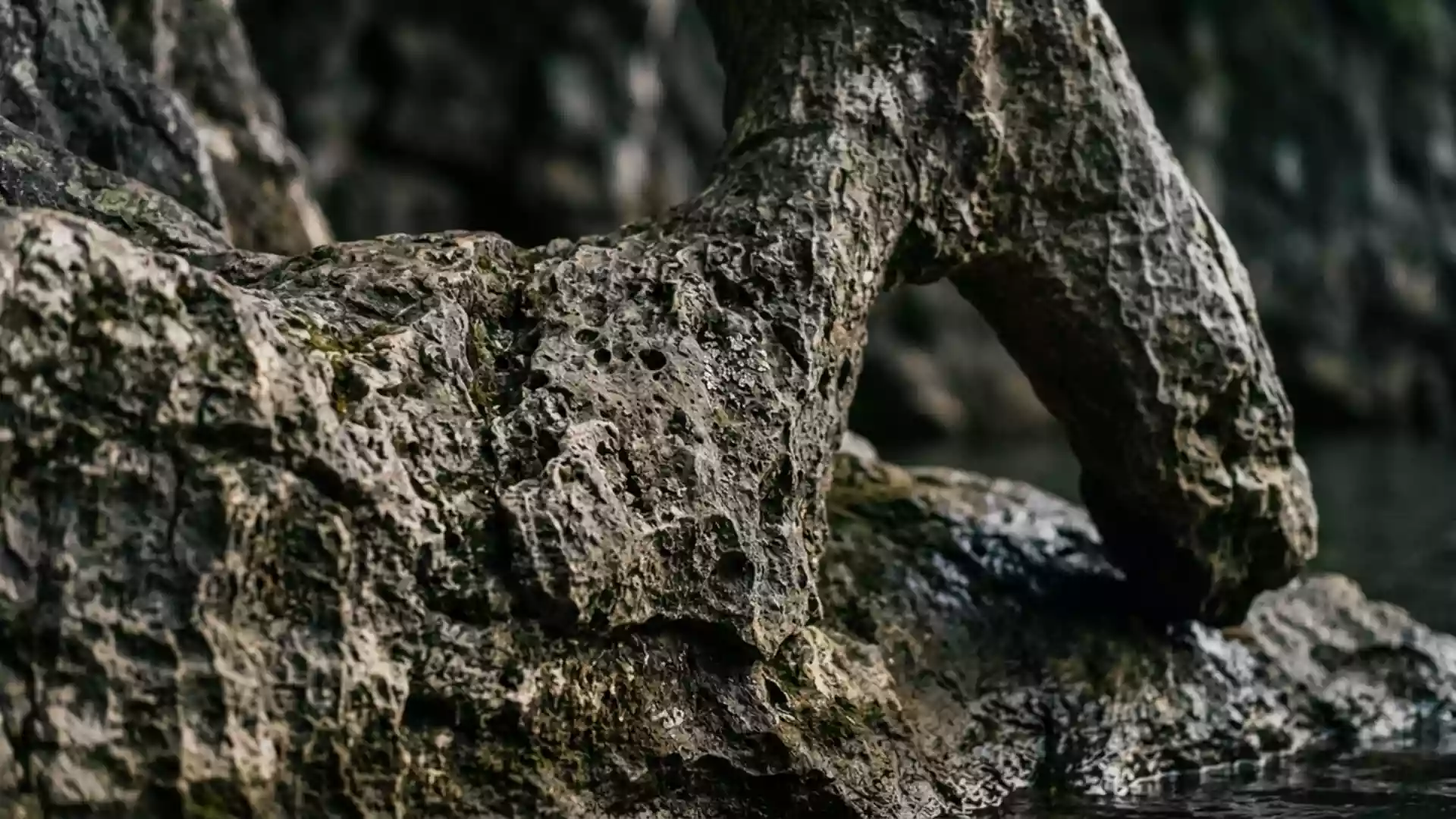
Xiangbishan and the elephant shape above Guilin
Published on 08/16/2026 at 14:20 | Editorial responsibility: Rafael Müller, Editor-in-Chief AD HOC NEWS
Xiangbishan rises in Guilin as a hill that reads at once as landform and image. Its elephant-like outline is the feature that most clearly defines it, and the hill is tied to the Li River and the city’s urban core.
Xiangbishan’s elephant form in Guilin
The hill is known in English as Elephant Trunk Hill, and Xiangbishan is the Chinese name used in Guilin. That name points to the most visible feature on site: a great rocky mass that suggests an elephant with its trunk lowered towards the water. Chinese name Xiangbishan landmark of Guilin
The hill stands in the city centre, where the river landscape and Guilin’s built-up streets meet. Its profile is the reason it appears in guidebooks and city imagery so often, but the object itself is simple: rock, slope and water in a single view.
A river landmark with a long cultural memory
Xiangbishan belongs to the karst landscape for which Guilin is known. The hill has long been linked with the city’s identity, and the association reaches back into the Tang period in travel writing and local memory. Tang Dynasty references famous tourism destination
The hill also carries a clear place in the city’s visual vocabulary. Its form stands apart from the surrounding riverbanks because the body of the hill projects close to the water while the rock mass rises sharply above it. That combination makes it one of Guilin’s most legible natural landmarks.
Water, rock and the Puxian Pagoda
The hill is not only a silhouette. Visitors also encounter a river setting, rocky slopes and the small built element of Puxian Pagoda on top of the hill. The pagoda adds a vertical detail to the broader natural form, while the rest of the site remains dominated by limestone and riverbank scenery. Puxian Pagoda 55m above the Li River
The site is shaped by the meeting of rock and water rather than by grand architecture. That is part of its appeal for anyone reading the landscape of Guilin: the hill is immediately recognisable, yet its details stay modest and local, from the river edge to the summit structure.
Visiting Xiangbishan: what travellers from Western Europe should know
- Xiangbishan lies in Guilin, in Guangxi, and the setting is urban rather than remote. Public buses and taxis reach the area, and the hill is close to the Li River.
- The terrain is a steep limestone hill with a summit structure. Paths, slopes and steps belong to the experience here, rather than flat ground throughout.
- The site sits within the broader Guilin karst landscape. That means rock forms, river water and a compact city setting appear together in one place.
- The Chinese name is Xiangbishan, and Elephant Trunk Hill is the English form used in many references. Both names point to the same hill in Guilin.
Searching for Xiangbishan on social platforms
These links open searches for Xiangbishan on each platform.
Frequently asked questions about Xiangbishan
Where is Xiangbishan?
Xiangbishan is in Guilin, in southern China’s Guangxi region. It sits by the Li River and forms part of the city’s well-known karst scenery.
What should visitors expect?
Expect a compact landmark with river scenery, limestone slopes and a summit pagoda. The site is a hill rather than a large enclosed monument.
What makes Xiangbishan distinctive?
The hill’s elephant-like profile is its defining feature. That shape, together with its position by the river, gives Guilin one of its best-known natural symbols.