
Xiangbishan in Guilin and the elephant-shaped karst hill by the Li River
Published on 09/18/2026 at 10:08 | Editorial responsibility: Rafael Müller, Editor-in-Chief AD HOC NEWS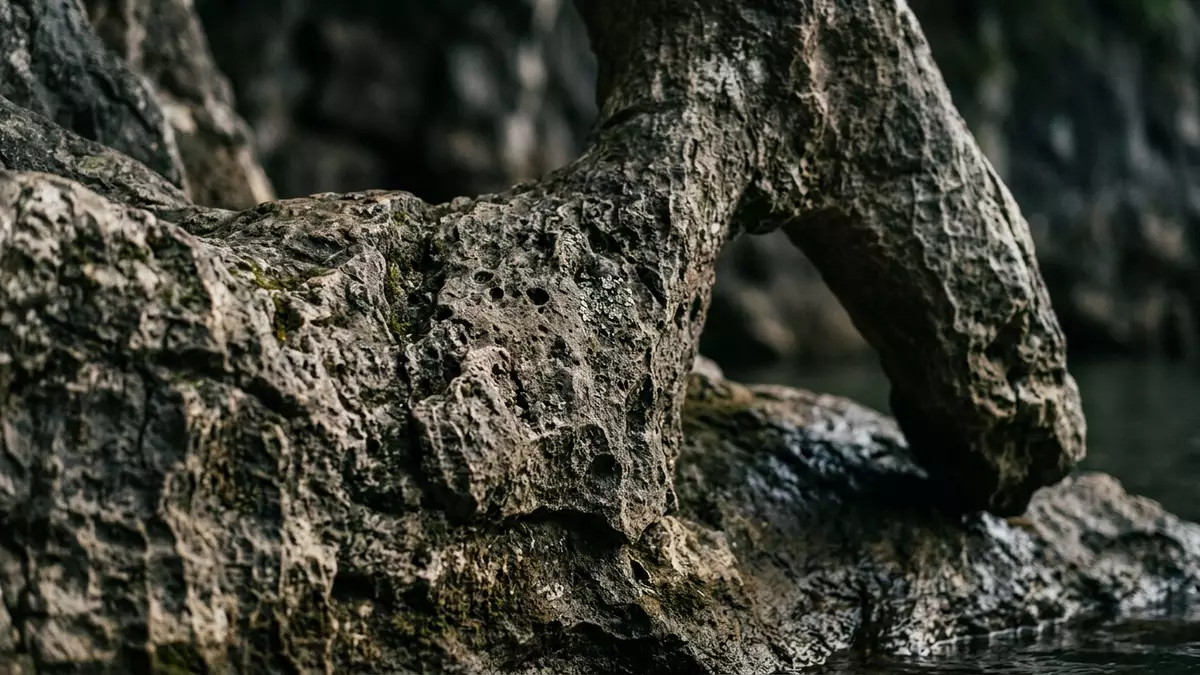
Xiangbishan in Guilin, known in English as Elephant Trunk Hill, is a limestone karst hill beside the Li River whose outline recalls an elephant dipping its trunk into the water. The hill stands in Guangxi in southern China within Xiangshan Park beside the Li River at the junction with the Taohua River, forming part of the river landscape that has shaped Guilin’s identity over centuries.
The elephant-shaped hill beside the Li River
Xiangbishan rises on the riverbank where the Li River meets the Taohua River, so the rock outcrop stands directly beside a broad expanse of water with the city behind it. Seen from the opposite bank, the main mass of limestone resembles the body of an elephant on the shore, while the lower arch of stone reflects in the water to complete the trunk shape, giving Elephant Trunk Hill its widely used English name.Elephant Trunk Hill The Chinese name Xiangbishan, written ???, literally means “Elephant Nose Mountain”, which points directly to this profile on the river.
The hill is composed of limestone that belongs to the wider karst landscape around Guilin, a region where rivers have cut through relatively soft rock to leave isolated peaks and cliffs. Xiangbishan forms part of the Elephant Hill Scenic Area, also called Xiangshan Park, a riverside park that frames the hill with paths, planting and viewpoints along the Li River.Elephant Hill Scenic Area From the water, the stone arch at the base of the cliff opens over the river surface, and boat passengers see the “trunk” curve towards the Li River while the upper part of the hill rises above.
Karst geology and the Water-Moon Cave
Xiangbishan is part of a chain of karst hills that encircle Guilin’s urban centre, giving the city a distinctive skyline of irregular peaks rather than flat horizons.limestone hill in Guilin Karst landscapes develop where slightly acidic water dissolves carbonate rock such as limestone, carving gullies, caves and isolated towers; around Guilin this has produced the steep hills that rise from the river valley, with Xiangbishan one of the best-known examples along the Li River. The hill’s elevation is recorded as about 200 m (656 ft) above sea level, which makes it lower than some of the surrounding peaks but still high enough to serve as a clear landmark above the riverfront buildings.200 metres above sea-level
On the river side of Xiangbishan, the stone arch at the base of the cliff is known as the Water-Moon Cave, a natural opening cut by the river where the curve of the rock meets the water. At certain angles, the reflection of the arch in the Li River forms a complete oval below the cliff, and the name refers to the way the moon can appear both above and “in” the water. Elephant Trunk Hill and Water-Moon Cave stand together at the confluence of the Taohua River and the Lijiang, the name used locally for the Li River, so the rock and the opening sit where two waterways meet.Water-Moon Cave are located Around the base of the hill, paths and terraces in Xiangshan Park follow the riverbank, giving views of the cave, the arch and the broader karst scenery upstream and downstream.
Xiangbishan in Guilin’s cultural landscape
Elephant Trunk Hill has long been regarded as a landmark of Guilin, appearing in local descriptions and guides as a symbol of the city’s river scenery.landmark of Guilin Records note that Xiangbishan has attracted visitors since the Tang Dynasty period, between 618 and 907, which means the hill and its distinctive profile have been part of Guilin’s cultural life for more than a millennium.since the Tang Dynasty Over that time, the combination of a dramatic rock form, the meeting of rivers and the surrounding hills has made the site a recurring subject in paintings, photographs and written accounts of the region.
The hill stands within Xiangshan District in Guilin, and Binjiang Road runs along the riverfront opposite and beside the park, so the elephant-shaped profile is visible from the city streets as well as from boats on the Li River.No. 1 Binjiang Road Xiangbishan is part of a broader scenic area that includes riverside walks, viewpoints and access to other hills, and for Guilin residents the outline of Elephant Trunk Hill against the water has become an element of everyday urban landscape as well as a feature recognised by visitors from elsewhere.
Visiting Xiangbishan: what travellers from Western Europe should know
- Xiangbishan lies within Xiangshan Park on the bank of the Li River in Guilin, in the Guangxi region of southern China, close to the junction with the Taohua River. The park entrance faces Binjiang Road in the urban area, and city buses serve stops named for Xiangshan Park and Elephant Trunk Hill.
- The terrain around Xiangbishan combines paved riverside paths with slopes and stairways climbing parts of the hill, and some approaches involve flights of steps on rock and concrete. Footwear suitable for uneven surfaces is useful where paths rise towards viewing platforms.
- Xiangbishan stands in a humid subtropical region where summers are warm and winters relatively mild, and Guilin’s karst hills frame the river valley on several sides. Rain clouds and river mist can change the appearance of the hill quickly, altering how distinct the “elephant” outline appears against the sky.
- Guilin is in southern China, where the official language is Mandarin Chinese and the currency is the Chinese yuan (CNY). Entry requirements depend on your nationality; UK travellers can check the FCDO travel advice at gov.uk/foreign-travel-advice, Irish travellers the Department of Foreign Affairs at ireland.ie.
Searching for Xiangbishan on social platforms
These links open searches for Xiangbishan on each platform.
Frequently asked questions about Xiangbishan
Where is Xiangbishan located?
Xiangbishan stands beside the Li River within Xiangshan Park in the Xiangshan District of Guilin, in the Guangxi region of southern China, near the junction with the Taohua River.
What should visitors expect on a visit to Xiangbishan?
Visitors encounter a limestone karst hill whose outline recalls an elephant reaching towards the Li River, with riverside paths, parkland and stairways leading to viewpoints over the water and the surrounding hills.
What makes Xiangbishan distinctive among Guilin’s hills?
The combination of its elephant-like profile, its position at the confluence of the Li and Taohua rivers and the presence of the Water-Moon Cave at its base gives Xiangbishan a character that stands out within Guilin’s wider karst landscape.


