
Ranthambore National Park where fort and forest share the same hills
Published on 09/19/2026 at 11:23 | Editorial responsibility: Rafael Müller, Editor-in-Chief AD HOC NEWS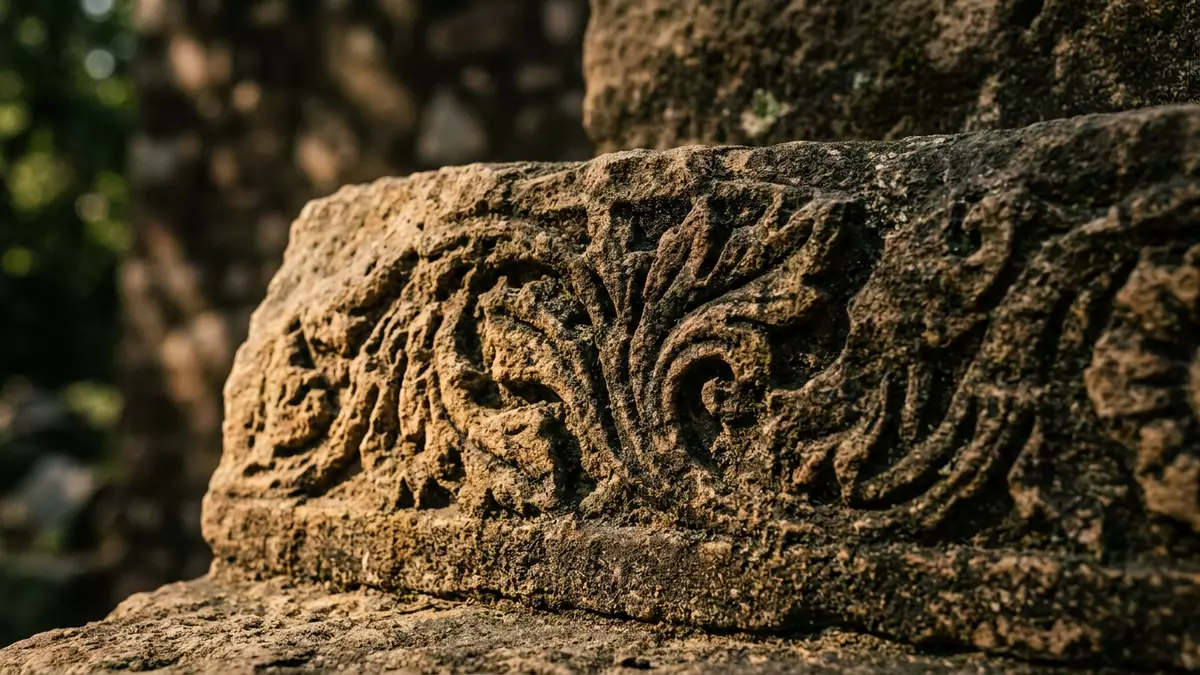
Ranthambore National Park in Rajasthan is one of the places where a large Indian tiger reserve and a historic hill fort occupy the same rugged plateau and forested valleys. Set near Sawai Madhopur in northern India, the park grew out of a mid twentieth-century wildlife sanctuary and was declared a national park in 1980, anchoring conservation efforts around the Bengal tiger in this part of the country.
Fort, lakes and dry forest on Thambhor Hill
The core of Ranthambore National Park lies around Thambhor Hill, where Ranthambore Fort stands above a landscape of rocky ridges, scrub and dry deciduous forest. From the fort’s high walls, three lakes are visible, known as Padam Talab, Malik Talab and Raj Bagh, and they form a series of water bodies fringed by reeds, grassland and forest where wildlife gathers along the shorelines.Thambhor Hill and its lakes The mix of open water, rocky slopes and forest gives the park a varied terrain, with plateaux that drop into narrow valleys and cliffs that provide a backdrop to the reservoirs.
Ranthambore Fort itself is a major feature of the landscape and forms part of the ensemble known as the Hill Forts of Rajasthan on the UNESCO World Heritage List.Ranthambore Fort and the surrounding forest The fort sits within the protected area and is surrounded by forest tracks, old walls and scattered pavilions in varying states of repair, some of which now serve as viewpoints over the lakes and plains below. The combination of ancient stonework, reservoir embankments and tree cover gives Ranthambore a distinctive character among Indian national parks.
From royal hunting ground to Project Tiger reserve
Before independence, the forests and valleys around Ranthambore Fort served as the hunting grounds of the rulers of Jaipur, with organised shikar parties pursuing tigers and other large mammals in the surrounding terrain.The former hunting ground around the fort That royal use gave way to conservation in the mid twentieth century, when the Government of India began to place the forest under formal protection. In 1955, the area around the fort was declared the Sawai Madhopur Game Sanctuary, ending commercial exploitation of timber and other forest produce within the sanctuary.
Ranthambore became part of India’s Project Tiger network in the 1970s, when Prime Minister Indira Gandhi launched the programme to safeguard Bengal tigers and their habitats and selected a set of core reserves across the country.Project Tiger status and later expansion A core section of the Sawai Madhopur sanctuary was brought under Project Tiger in 1973, and in 1980 an area of around 282 km² was declared Ranthambore National Park as a distinct protected unit. In subsequent years the neighbouring Kailadevi and Sawai Man Singh sanctuaries were added to the wider Ranthambore Tiger Reserve, creating a protected landscape of more than 1,400 km² once core and buffer zones are included.The combined tiger reserve area
Tigers, other wildlife and the dry-season landscape
Ranthambore National Park is best known as a place where Bengal tigers live among dry forest, grassland and the remains of older structures, and where they can sometimes be seen around the lakes and along forest tracks. Tigress Machli, a tiger whose territory included waterside areas near the fort and who lived into the early twenty-first century, became one of the park’s emblematic animals and is often cited as one of India’s best-known tigresses.Machli and other tigers The reserve’s tiger population declined sharply in the early 2000s but later recovered under closer protection measures and monitoring programmes, and by 2022 around 69 tigers were recorded within the national park boundary.Tiger numbers recorded in official censuses
Beyond tigers, Ranthambore’s habitats support a range of other species associated with dry deciduous forest and grassland in northern India, including deer such as sambar and chital, smaller carnivores and a variety of birds that use the lakes and surrounding woodland. The forest itself has a seasonal appearance, with leafless trees and exposed rock in the dry season contrasting with greener slopes when the monsoon has passed through and the reservoirs are higher. Old walls, gateways and pavilions appear along some of the forest tracks, reflecting the area’s history as a royal estate and fort complex that has since been integrated into the protected landscape.
Visiting Ranthambore National Park: what travellers from Western Europe should know
- Ranthambore National Park lies near the town of Sawai Madhopur in the Indian state of Rajasthan, south-east of Jaipur, and is reached by road and by rail services that connect Sawai Madhopur Junction with cities such as Delhi and Jaipur.
- The park’s terrain includes uneven forest tracks, rocky slopes and sections of hillside near Ranthambore Fort, and some viewpoints and fort sections are accessed by stairways that climb the hill.
- In the dry season, the reservoirs and lakes within the park expose more shoreline, and the surrounding forest can appear sparse, while after the monsoon the same slopes carry more leaf cover and water levels rise.
- The official language in this part of India is Hindi and the currency is the Indian rupee.
- Entry requirements depend on your nationality; UK travellers can check the FCDO travel advice at gov.uk/foreign-travel-advice, Irish travellers the Department of Foreign Affairs at ireland.ie.
Searching for Ranthambore National Park on social platforms
These links open searches for Ranthambore National Park on each platform.
Frequently asked questions about Ranthambore National Park
Where is Ranthambore National Park and what kind of place is it?
Ranthambore National Park is a tiger reserve and national park near Sawai Madhopur in Rajasthan, India, centred on Ranthambore Fort and its surrounding dry forest and lakes.
What should visitors expect when exploring the park and fort area?
Visitors encounter forest tracks, rocky slopes, reservoirs and the hilltop fort, with wildlife such as deer and tigers using the same valleys and lakes as older structures and embankments.
What makes Ranthambore National Park distinctive among Indian national parks?
Ranthambore is distinctive because a major Rajput hill fort and its lakes sit inside an extensive tiger reserve, bringing mediaeval architecture, reservoirs and Bengal tigers into one protected landscape.


