
Stellenbosch Winelands and the Cape Dutch landscape
Published on 09/18/2026 at 22:25 | Editorial responsibility: Rafael Müller, Editor-in-Chief AD HOC NEWS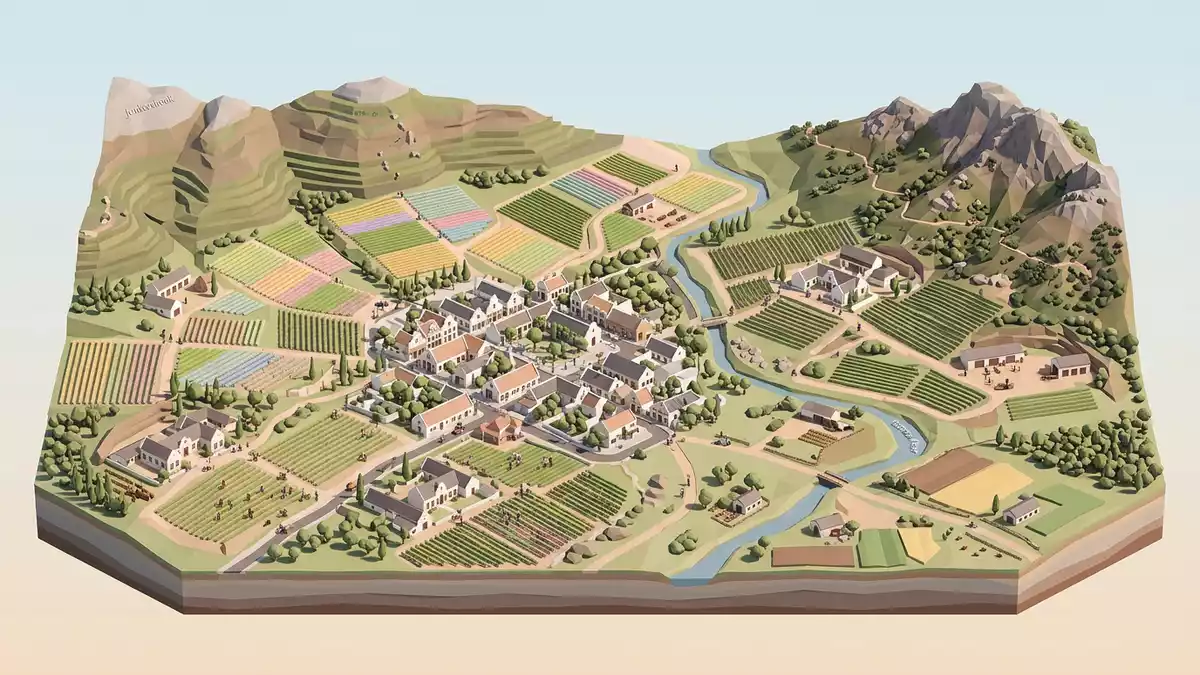
Stellenbosch Winelands sits around Stellenbosch in South Africa’s Western Cape, where vineyards, whitewashed gables and mountain slopes share the same view. The district is closely tied to Simon van der Stel and to a wine culture that began in the seventeenth century.
Stellenbosch Winelands in the Western Cape
The area lies east of Cape Town and is reached by road through the Cape Winelands. The landscape combines farmsteads, oak-lined streets and vine-covered hills, with the Simonsberg and nearby ranges forming a clear backdrop.Stellenbosch winelands
Stellenbosch itself was founded in 1679, and that date remains central to the region’s identity.founded in 1679 The town’s setting gives the winelands their core geography: vines, historic farms and a settled market town within one district.
The wine route and historic farms
The Stellenbosch Wine Route is a defining part of the area’s identity, and it links many estates across the district.Stellenbosch Wine Route It is associated with long-established wine growing and with the broader Cape tradition of farm buildings, cellars and cultivated slopes.
Many visitors notice the contrast between the built town and the open agricultural land around it. Cape Dutch facades, vineyards and mountain edges sit close together, so the region reads as both a wine landscape and a historic settlement.Cape Dutch architecture
Stellenbosch Winelands as a cultural landscape
The region’s character comes from the way agriculture and building traditions overlap. Vineyards run alongside heritage houses, university buildings and churches, while the streets of Stellenbosch keep the town part of the same visual story.
That mix gives Stellenbosch Winelands a form that is easy to read on foot or by road. It is a wine region, but also a cultural landscape with a strong historical centre and a recognisable architectural language.South Africa's wine industry
Visiting Stellenbosch Winelands: what travellers from Western Europe should know
- The area lies around Stellenbosch in South Africa’s Western Cape, east of Cape Town. Road access from the city is the usual way in.
- The landscape includes hills, mountain edges and cultivated slopes. The terrain is open and spread across farms rather than concentrated in one compact site.
- The official language is English and Afrikaans, and the currency is the South African rand.
- Entry requirements depend on your nationality; UK travellers can check the FCDO travel advice at gov.uk/foreign-travel-advice, Irish travellers the Department of Foreign Affairs at ireland.ie.
Searching for Stellenbosch Winelands on social platforms
These links open searches for Stellenbosch Winelands on each platform.
Frequently asked questions about Stellenbosch Winelands
Where is Stellenbosch Winelands?
It is centred on Stellenbosch in South Africa’s Western Cape, inland from Cape Town. The winelands spread through the surrounding farms and slopes.
What appears on a visit?
Expect vineyards, wine estates, Cape Dutch buildings and a historic town setting. The area combines working agriculture with heritage architecture.
What defines the area?
The combination of Simon van der Stel, the 1679 foundation of Stellenbosch and the long wine-growing tradition gives the district its character. The landscape remains closely tied to that history.


