
Trinidad’s sugar-era streets and pastel colonial houses
Published on 09/17/2026 at 19:22 | Editorial responsibility: Rafael Müller, Editor-in-Chief AD HOC NEWS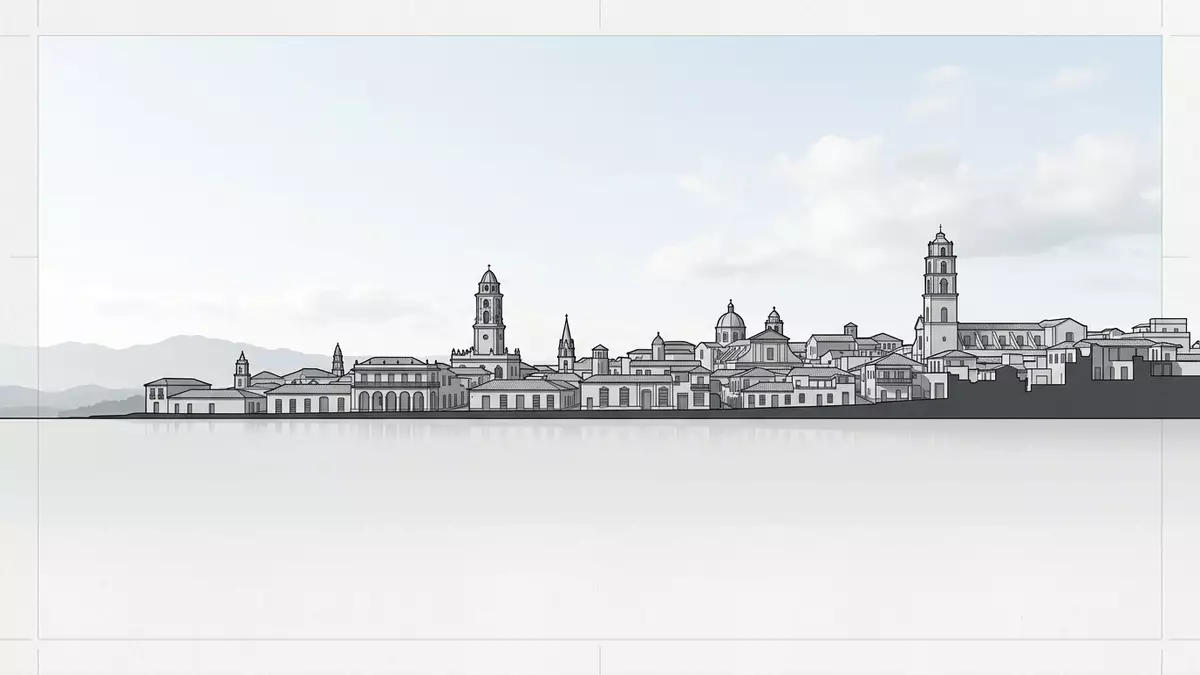
Trinidad on Cuba’s southern coast is a colonial town where cobbled streets, pastel houses and sugar-era mansions form a remarkably intact historic centre dating from the eighteenth and nineteenth centuries. Founded in the early sixteenth century as Villa de la Santísima Trinidad, the town later prospered from the sugar trade in the nearby Valley de los Ingenios and together they have been recognised as a UNESCO World Heritage Site since 1988.
From early Spanish settlement to sugar-era wealth
Trinidad stands in the province of Sancti Spíritus, facing the Caribbean on Cuba’s central southern coast, and its origins lie in the Spanish expansion across the island in the early sixteenth century.Founded as Villa de la Santísima Trinidad in 1514, it became one of the earliest Spanish settlements in Cuba and retained that historical name as the colonial town around it grew. The settlement’s later prosperity was bound to the sugar industry and the tobacco trade, which expanded across central Cuba during the eighteenth and nineteenth centuries and left their mark in streets lined with single-family houses and grand residences with internal courtyards.
The surrounding Valley de los Ingenios, also known as the Valley of the Sugar Mills, formed the agricultural counterpart to Trinidad’s urban fabric, its mills and plantations supplying the fortunes that financed the town’s palaces and public buildings.UNESCO’s inscription of Trinidad and the Valley de los Ingenios as a cultural World Heritage Site reflects this combined landscape of a colonial town and a sugar-producing valley. When the sugar economy declined in the later nineteenth century, Trinidad’s growth slowed and its streets and houses changed little, which helped preserve the colonial layout and the materials of its historic centre.
Plaza Mayor and the heart of the old town
At the heart of Trinidad lies Plaza Mayor, a compact central square that concentrates many of the town’s principal colonial buildings within a few blocks of cobbled streets.The area around Plaza Mayor is characterised by pastel-coloured facades, wrought-iron grilles and red-tiled roofs, giving it the appearance of an open-air museum of Spanish colonial architecture. The square itself is landscaped as a series of enclosed gardens edged by low balustrades, with palms and ornamental details set against the surrounding paving and the fronts of the houses.
Several prominent buildings frame Plaza Mayor and underline Trinidad’s sugar-era status. Among them are Palacio Brunet and Palacio Cantero, residences dating from the eighteenth and nineteenth centuries that preserve the layouts and finishes of the town’s wealthy planter families.Palacio Cantero now houses the municipal history museum, using rooms with high ceilings, tiled floors and an internal patio to display collections on Trinidad’s past. Around the square, other former mansions accommodate museums devoted to romantic-era interiors, archaeology and colonial architecture, so that many of the grand houses visitors see also serve as exhibition spaces.
Streets, houses and towers of a preserved colonial fabric
Beyond Plaza Mayor, Trinidad’s historic centre forms a compact district of lanes and small plazas, its cobbled streets rising and falling gently across the townscape and lined by houses built close to the pavement.Single-family homes with internal patios are a common feature, and many retain lime-mortar walls, terracotta roof tiles and timber details that reflect the building traditions of the eighteenth and nineteenth centuries. The irregular pattern of streets, courtyards and small gardens preserves the colonial-era layout, and in several places views open towards the surrounding hills and the valley linked to Trinidad’s sugar history.
Rising above the low roofs of the town, the campanile of the former Convento de San Francisco is one of Trinidad’s most recognisable vertical landmarks.The convent’s tower overlooks Plaza Mayor and nearby streets, creating a point of orientation within the dense fabric of houses. Close by stands the Iglesia Parroquial de la Santísima Trinidad, a church with a neoclassical appearance that faces towards the square and adds another layer of ecclesiastical architecture to the ensemble. Together with the sugar-era palaces and domestic buildings, these towers and churches form a skyline that reflects Trinidad’s colonial period more than any later transformation.
Visiting Trinidad: what travellers from Western Europe should know
- Trinidad lies on Cuba’s southern coast in the province of Sancti Spíritus, reached overland from other Cuban cities by road connections that link the town with the wider central region.
- The historic centre consists of cobbled streets and uneven paving, and moving between plazas and viewpoints involves walking on gradients and staircases within the old town.
- Valle de los Ingenios, the historic sugar-growing valley associated with Trinidad, lies inland from the town and visiting it involves travelling into a rural landscape of former mills and estates.
- Spanish is the official language and the currency is the Cuban peso.
- Entry requirements depend on your nationality; UK travellers can check the FCDO travel advice at gov.uk/foreign-travel-advice, Irish travellers the Department of Foreign Affairs at ireland.ie.
Searching for Trinidad on social platforms
These links open searches for Trinidad on each platform.
Frequently asked questions about Trinidad
Where is Trinidad and why is it historically significant?
Trinidad is a colonial town in Sancti Spíritus province on Cuba’s southern coast, historically significant for its early-sixteenth-century foundation and its later role in the sugar trade.
What should visitors expect when exploring Trinidad’s old town?
Visitors encounter cobbled streets, pastel houses, plazas such as Plaza Mayor and sugar-era mansions, many of which now contain museums within preserved colonial interiors.
What makes Trinidad distinctive among Cuban cities?
Trinidad is distinctive for the continuity of its eighteenth- and nineteenth-century urban fabric, its combined landscape with the Valley de los Ingenios and its UNESCO-recognised colonial architecture.


